
Indoor Plants for a Greener and Healthier Home
Introduction
Indoor plants are one of the simplest ways to create a greener and healthier home. They bring natural beauty indoors and make living spaces feel fresh, vibrant, and welcoming.
Many homeowners choose indoor plants because they improve the overall appearance of a room while creating a calming atmosphere. Whether you live in a large house or a small apartment, indoor plants can make your space feel more connected to nature.
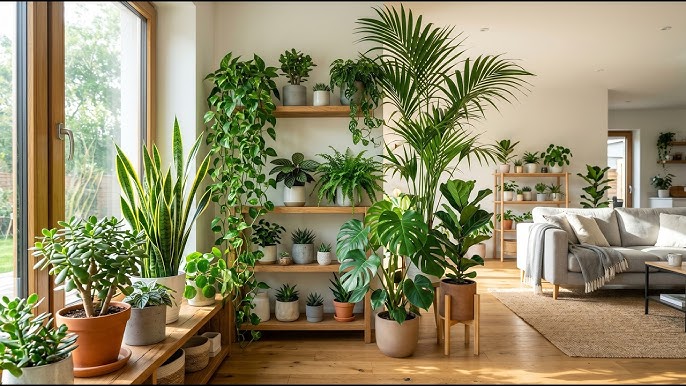
Why Indoor Plants Are Popular
Indoor plants have become a popular home décor choice in recent years. People are looking for ways to create peaceful environments that support a healthy lifestyle.
Plants add life to empty corners, brighten rooms, and provide a natural touch that artificial decorations cannot match.
They are available in various sizes, shapes, and colors, making it easy to find options that suit every interior design style.
Benefits of Indoor Plants
Indoor plants offer many advantages beyond decoration. They can help create a fresher and more pleasant indoor environment.
Many people enjoy having plants because they make rooms feel more relaxing and comfortable.
Plants also add visual interest and make spaces appear more inviting for family members and guests.
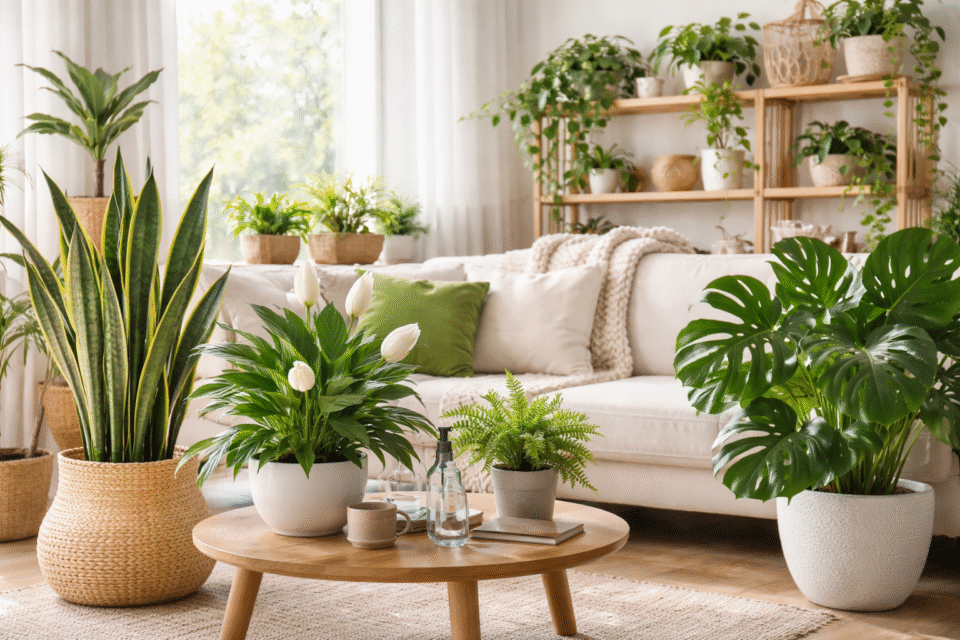
Natural Beauty for Every Room
One of the greatest benefits of indoor plants is their natural beauty.Home page
Green leaves add color and texture to any room without overwhelming the design.
Whether placed on shelves, tables, or windowsills, plants instantly improve the overall look of a space.
They complement modern, traditional, minimalist, and rustic interiors alike.
Creating a Relaxing Atmosphere
Indoor plants help create a calm and peaceful atmosphere.
Many people find that being surrounded by greenery helps them feel more relaxed after a busy day.
A room filled with plants often feels more comfortable and welcoming than one without natural elements.
Adding greenery can transform an ordinary room into a personal sanctuary.
Indoor Plants and Home Wellness
A healthy home environment is important for overall well-being.
Indoor plants contribute to a pleasant living space by bringing elements of nature indoors.
Many homeowners choose plants because they help create an environment that feels fresh and balanced.
The presence of greenery can make a home feel more enjoyable and uplifting.
Best Indoor Plants for Beginners
Some indoor plants are particularly easy to care for and ideal for beginners.
Popular choices include Snake Plant, Spider Plant, Pothos, Aloe Vera, and ZZ Plant.
These varieties require minimal maintenance and adapt well to indoor conditions.
They are perfect for people who are new to plant care.
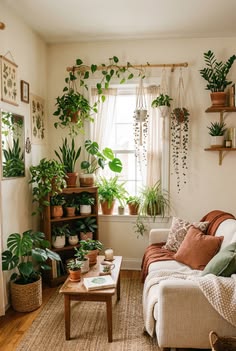
Snake Plant
The Snake Plant is known for its striking upright leaves.
It requires very little water and can tolerate low-light conditions.
This makes it one of the easiest indoor plants to maintain.
Its modern appearance also makes it a favorite among homeowners.
Pothos Plant
Pothos is a beautiful trailing plant with heart-shaped leaves.
It grows quickly and looks attractive in hanging baskets or on shelves.
Pothos is highly adaptable and easy to care for.
Its cascading vines add elegance to indoor spaces.
Spider Plant
Spider Plants are popular because of their graceful arching leaves.
They are easy to grow and can thrive in various indoor environments.
Spider Plants are an excellent option for beginners.
Their unique appearance adds charm to any room.
Aloe Vera
Aloe Vera is both attractive and practical.
Its thick green leaves create a clean and modern look.
As a succulent, it requires minimal watering and maintenance.
This makes it a great addition to busy households.
Choosing the Right Location
Proper placement is important for healthy plant growth.
Different plants have different light requirements.
Some plants prefer bright indirect sunlight, while others thrive in low-light conditions.
Understanding your home’s lighting can help you choose the best locations for your plants.
Decorating with Indoor Plants
Indoor plants can be used creatively throughout the home.
Large plants work well in empty corners and open spaces.
Medium-sized plants look attractive on side tables and shelves.
Small plants are perfect for desks, countertops, and windowsills.
Combining different sizes creates a balanced and stylish display.
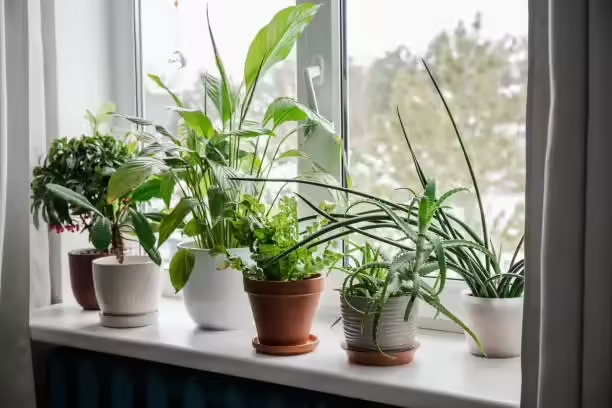
Indoor Plants in the Living Room
The living room is one of the most popular places for indoor plants.
Large statement plants can become focal points within the room.
Smaller plants can be grouped together to create attractive green displays.
Greenery helps make living rooms feel cozy and inviting.
Indoor Plants in the Bedroom
Plants can help create a peaceful bedroom environment.
A few carefully selected plants add softness and warmth to the space.
Their natural beauty contributes to a relaxing atmosphere.
Many people enjoy waking up to fresh greenery each morning.
Indoor Plants in the Kitchen
The kitchen is another excellent location for indoor plants.
Small potted herbs can provide both beauty and convenience.
Fresh herbs are useful for cooking while enhancing the kitchen décor.
Plants make kitchens feel more vibrant and welcoming.
Indoor Plants in the Home Office
Indoor plants are popular additions to home offices.
They help create a pleasant work environment.
Many professionals place plants near their desks to add color and visual interest.
Greenery can make workspaces feel less stressful and more enjoyable.
Simple Plant Care Tips
Caring for indoor plants does not have to be complicated.
Water plants according to their specific needs.
Ensure they receive appropriate sunlight.
Use containers with drainage holes to prevent excess moisture.
Regularly remove dead leaves to keep plants healthy and attractive.
Avoiding Common Mistakes
Overwatering is one of the most common plant care mistakes.
Too much water can damage roots and affect plant health.
It is usually better to underwater slightly than to overwater.
Checking soil moisture before watering can help prevent problems.
Building an Indoor Garden
Creating an indoor garden can be a fun and rewarding hobby.
Start with a few easy-care plants and gradually expand your collection.
Experiment with different plant varieties and decorative pots.
Over time, your indoor garden can become a beautiful feature of your home.
Indoor Plants and Modern Interior Design
Modern interior design often incorporates indoor plants as key decorative elements.
Plants soften hard lines and add natural textures.
They create contrast against furniture, walls, and flooring.
Many designers use greenery to make spaces feel more balanced and visually appealing.
Sustainable Living with Indoor Plants
Indoor plants support a more nature-focused lifestyle.
They encourage appreciation for the environment and natural beauty.
Growing plants at home can inspire more sustainable habits.
Many plant enthusiasts enjoy reusing containers and adopting eco-friendly gardening practices.
Merits of Indoor Plants for a Greener and Healthier Home
Improve Indoor Air Quality
Indoor plants help create a fresher indoor environment. They contribute to a cleaner and more pleasant atmosphere inside homes and offices.Indoor Plants for a Greener and Healthier Home
Enhance Home Décor
Plants add natural beauty and elegance to any room. Their vibrant green leaves make spaces look more attractive and inviting.
Create a Relaxing Environment
The presence of indoor plants can make a room feel calm and peaceful. They help create a comfortable atmosphere for relaxation and leisure. Indoor Plants for a Greener and Healthier Home
Increase Visual Appeal
Indoor plants add color, texture, and variety to interior spaces. They make rooms appear more lively and visually interesting Indoor Plants for a Greener and Healthier Home
Affordable Decoration Option
Compared to many home décor items, indoor plants are often affordable and provide long-lasting beauty with proper care.
Suitable for Small Spaces
Indoor plants can fit into apartments, offices, and small homes. Even a single plant can improve the appearance of a limited space. Indoor Plants for a Greener and Healthier Home
Support Mental Well-Being
Many people enjoy caring for plants because it can be a relaxing and rewarding activity. Indoor gardening can provide a sense of satisfaction and accomplishment.
Improve Workspace Appearance
Plants make home offices and workspaces feel more pleasant and professional. They help create a more enjoyable environment for work and study.
Versatile Placement Options
Indoor plants can be placed on shelves, desks, tables, countertops, and windowsills. Their flexibility makes them suitable for any room.Indoor Plants for a Greener and Healthier Home
Bring Nature Indoors
Indoor plants allow people to enjoy the beauty of nature without leaving their homes. They help create a stronger connection to the natural world.
Boost Property Appeal
Well-maintained indoor plants can enhance the overall appearance of a home and create a positive impression on visitors.
Easy to Maintain
Many indoor plants require minimal care. Popular varieties such as the Snake Plant and ZZ Plant thrive with little attention, making them ideal for beginners.
Promote a Healthy Lifestyle
Indoor plants encourage people to create cleaner, greener, and more enjoyable living environments.
Year-Round Greenery
Unlike outdoor gardens that may change with the seasons, indoor plants provide greenery and beauty throughout the year.Indoor Plants for a Greener and Healthier Home
Improve Room Ambiance
Plants add warmth and freshness to living spaces, making homes feel more welcoming and comfortable for family members and guests. Indoor Plants for a Greener and Healthier Home
Frequently Asked Questions (FAQs) About Indoor Plants for a Greener and Healthier Home
1. Why are indoor plants good for the home?
Indoor plants enhance the beauty of living spaces, create a refreshing atmosphere, and help make homes feel more comfortable and welcoming.Indoor Plants for a Greener and Healthier Home
2. Which indoor plants are best for beginners?
Popular beginner-friendly indoor plants include the Snake Plant, Pothos, Spider Plant, and ZZ Plant.
3. How often should I water indoor plants?
Watering frequency depends on the plant type, pot size, and indoor conditions. Most indoor plants should be watered when the top layer of soil feels dry.
4. Do indoor plants need sunlight?
Yes, most indoor plants require some amount of light to grow. Different plants have different light requirements, ranging from low light to bright indirect sunlight. Indoor Plants for a Greener and Healthier Home
5. Can indoor plants survive in low-light rooms?
Yes, several indoor plants thrive in low-light conditions, including Snake Plants, ZZ Plants, and Peace Lilies.
6. What are the easiest indoor plants to maintain?
Snake Plants, ZZ Plants, Aloe Vera, and Pothos are among the easiest indoor plants to care for because they require minimal attention .Indoor Plants for a Greener and Healthier Home
7. Where should I place indoor plants in my home?
Indoor plants can be placed in living rooms, bedrooms, kitchens, bathrooms, offices, and near windows, depending on their light needs. Indoor Plants for a Greener and Healthier Home
8. How do I know if I am overwatering my plant?
Common signs of overwatering include yellow leaves, soggy soil, root problems, and drooping foliage. Indoor Plants for a Greener and Healthier Home
9. Can indoor plants improve home décor?
Absolutely. Indoor plants add color, texture, and natural beauty that complement various interior design styles.
10. What type of pots are best for indoor plants?
Pots with drainage holes are generally recommended because they help prevent excess water from accumulating around the roots.
11. Do indoor plants require fertilizer?
Most indoor plants benefit from occasional fertilization during their active growing season to support healthy growth. Indoor Plants for a Greener and Healthier Home
12. How can I keep my indoor plants healthy?
Provide the correct amount of water, sunlight, proper drainage, and occasional fertilization. Regularly remove dead leaves and monitor for pests. Indoor Plants for a Greener and Healthier Home
13. Which indoor plants grow quickly?
Pothos, Spider Plants, and Philodendrons are known for their relatively fast growth under suitable conditions.
14. Can indoor plants be grown in apartments?
Yes, indoor plants are ideal for apartments because many varieties thrive in limited spaces and indoor environments. Indoor Plants for a Greener and Healthier Home
15. Why are my plant leaves turning yellow?
Yellow leaves may be caused by overwatering, underwatering, poor lighting, or nutrient deficiencies.
16. Are indoor plants suitable for office spaces?
Yes, indoor plants are commonly used in offices to create a more attractive and pleasant working environment. Indoor Plants for a Greener and Healthier Home
17. How often should indoor plants be repotted?
Most indoor plants benefit from repotting every one to two years, depending on their growth rate and root development. Indoor Plants for a Greener and Healthier Home
18. What are some popular decorative indoor plants?
Popular decorative choices include Monstera, Peace Lily, Fiddle Leaf Fig, and Snake Plant.
19. Can indoor plants be placed in bedrooms?
Yes, many indoor plants are suitable for bedrooms and can help create a calm and relaxing atmosphere. Indoor Plants for a Greener and Healthier Home
20. What is the biggest advantage of indoor plants?
The biggest advantage of indoor plants is their ability to combine natural beauty, improved ambiance, and easy home decoration while bringing a refreshing touch of nature indoors. 🌿🏡✨Indoor Plants for a Greener and Healthier Home
Most Popular Indoor Plants for a Greener and Healthier Home
These are some of the most picked and widely used indoor plants for homes, apartments, and offices: Indoor Plants for a Greener and Healthier Home
1. Snake Plant
Snake Plant is one of the most popular indoor plants because it is easy to maintain and can survive in low-light conditions. Its tall, upright leaves give a modern and elegant appearance.
2. Pothos
Pothos is loved for its beautiful trailing vines and low-maintenance nature. It grows quickly and looks attractive in hanging baskets and shelves. Indoor Plants for a Greener and Healthier Home
3. Peace Lily
Peace Lily is popular for its glossy green leaves and elegant white flowers. It adds a fresh and sophisticated touch to indoor spaces.
4. Spider Plant
Spider Plant is a favorite among homeowners because it is easy to grow and adapts well to different indoor environments. Indoor Plants for a Greener and Healthier Home
5. Aloe Vera
Aloe Vera is both decorative and practical. Its thick green leaves make it a stylish addition to kitchens, living rooms, and offices. Indoor Plants for a Greener and Healthier Home
6. ZZ Plant
ZZ Plant is highly popular due to its shiny leaves and ability to thrive with minimal care. It is perfect for busy homeowners. Indoor Plants for a Greener and Healthier Home
7. Monstera Deliciosa
Monstera is famous for its large split leaves. It is often used as a statement plant in modern interior design. Indoor Plants for a Greener and Healthier Home
8. Rubber Plant
Rubber Plant has large glossy leaves that add elegance and greenery to any room. Indoor Plants for a Greener and Healthier Home
9. Areca Palm
Areca Palm creates a tropical feel indoors and is commonly placed in living rooms and office spaces.
10. Fiddle Leaf Fig
Fiddle Leaf Fig is a premium indoor plant known for its large dramatic leaves and stylish appearance. Indoor Plants for a Greener and Healthier Home
Top 5 Most Picked Indoor Plants
If you want the most popular choices that homeowners install most often, these are the top picks:
- Snake Plant
- Pothos
- Peace Lily
- Spider Plant
- ZZ Plant
These plants are popular because they are attractive, beginner-friendly, and require relatively little maintenance.
Psychological Benefits of Indoor Plants (Detailed Explanation)
Indoor plants are not only decorative elements; they also have a strong impact on human psychology and emotional well-being. Being around greenery can influence how we feel, think, and behave in daily life. This is why indoor plants are widely used in homes, offices, hospitals, and study spaces.
1. Reduces Stress and Anxiety
One of the biggest psychological benefits of indoor plants is stress reduction.
When people look at green plants, their mind naturally feels calmer. The color green is associated with peace, balance, and relaxation.
Taking care of plants, such as watering or pruning them, also creates a soothing routine that helps reduce mental pressure.
Even a few minutes spent near plants can help lower feelings of stress and tension.
2. Improves Mood and Emotional Well-Being
Indoor plants can have a positive effect on mood.
Natural greenery helps reduce negative emotions and increases feelings of happiness and satisfaction.
People often feel more relaxed and emotionally stable in environments filled with plants.
Bright, healthy plants can create a cheerful atmosphere that improves overall emotional well-being.
3. Enhances Focus and Concentration
Indoor plants can improve concentration and mental clarity.
Green surroundings help the brain stay calm, which makes it easier to focus on tasks.
This is especially useful for students and people working from home.
Placing plants like the Snake Plant or Pothos in study or work areas can create a more productive environment.
4. Reduces Mental Fatigue
Long hours of screen time or studying can cause mental tiredness.
Indoor plants help reduce this fatigue by giving the eyes a natural resting point.
Looking at greenery for a few moments can refresh the mind and reduce overthinking.
This makes plants helpful in both home offices and study rooms.
5. Creates a Sense of Calm and Peace
Indoor plants help create a peaceful environment that supports mental relaxation.
The presence of natural elements reduces mental noise and creates a sense of balance.
Rooms filled with plants often feel quieter and more comfortable emotionally.
This calm environment is especially helpful after a busy or stressful day.
6. Boosts Productivity and Creativity
Indoor plants are known to support better thinking and creativity.
A natural environment encourages the brain to generate new ideas and solutions.
People working in plant-filled spaces often feel more motivated and energetic.
This is why many modern offices include indoor plants in their design.
7. Encourages Responsibility and Routine
Caring for indoor plants helps build discipline and routine.
Simple tasks like watering, cleaning leaves, and checking soil conditions create a daily habit.
This routine gives a sense of responsibility and achievement.
It can also improve time management and consistency in daily life.
8. Reduces Feelings of Loneliness
Indoor plants can provide emotional comfort, especially for people living alone.
Taking care of a living plant creates a sense of companionship.
Watching a plant grow over time gives emotional satisfaction and a feeling of connection.
This can help reduce feelings of loneliness and isolation.
9. Improves Sleep Quality
Plants placed in bedrooms can contribute to a relaxing environment.
A calm and fresh atmosphere helps the mind unwind before sleep.
Plants like the Peace Lily or Aloe Vera are often used in bedrooms for this purpose.
A peaceful environment supports better sleep patterns and deeper rest.
10. Increases Sense of Achievement
Watching plants grow and thrive gives a strong sense of accomplishment.
When a plant produces new leaves or remains healthy, it creates pride and satisfaction.
This small achievement can positively affect self-esteem and confidence.
It also encourages people to continue caring for other plants or hobbies.