
Best Pet Animals for Families and Children
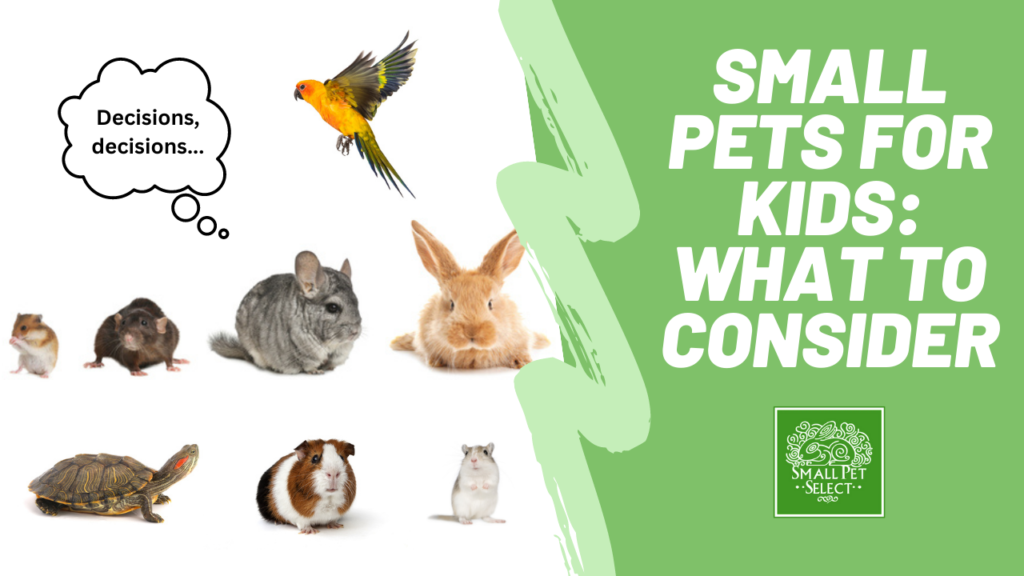
Introduction
Best pet animals for families and children are an important part of many households around the world. Families often look for loving, friendly, playful, and safe pets that can create joyful memories for both parents and kids. Choosing the best pet animals for families and children requires careful consideration because every pet has unique personality traits, care requirements, and activity levels.
Many parents believe that the best pet animals for families and children help kids develop responsibility, emotional intelligence, patience, kindness, and social skills. Pets also create companionship and emotional support, making homes feel happier and more active. Whether a family chooses a dog, cat, rabbit, fish, bird, hamster, or turtle, the relationship between pets and children can become very meaningful.
Modern lifestyles have increased interest in the best pet animals for families and children because people want emotional connection, relaxation, and positive experiences at home. Children especially enjoy playing, feeding, grooming, and spending time with animals. The best pet animals for families and children can encourage physical activity, reduce stress, and create unforgettable family moments.
Why Families Choose Pets
Best pet animals for families and children are often selected because they bring happiness and warmth into the household. Many families feel that pets improve emotional bonding and create a more positive home environment. Children who grow up with animals often learn compassion and empathy from an early age.
Parents also choose the best pet animals for families and children because pets can reduce loneliness. Children who spend time with friendly animals usually feel emotionally supported and entertained. Pets can become trusted companions for kids during school years and family life.
Another reason families prefer the best pet animals for families and children is the opportunity for learning and responsibility. Kids can participate in feeding schedules, cleaning routines, grooming sessions, and exercise activities. These daily tasks teach discipline and consistency.
The best pet animals for families and children also encourage outdoor activity and family interaction. Walking dogs, playing with pets, or setting up pet habitats can strengthen family relationships and create shared experiences.
Dogs as Family Pets
Dogs are often considered among the best pet animals for families and children because of their loyalty, intelligence, and playful nature. Dogs can form deep emotional connections with family members and provide companionship for children of all ages.
Many dog breeds are especially known for being gentle and friendly with kids. Labrador Retrievers, Golden Retrievers, Beagles, and Pugs are commonly recommended as the best pet animals for families and children due to their patient personalities.
Dogs also encourage physical activity. Families who own dogs often spend more time outdoors walking, playing, and exercising together. This active lifestyle can improve both physical and mental health.
Training and socialization are important when selecting the best pet animals for families and children. Properly trained dogs are more comfortable around kids and household environments. Families should choose breeds that match their lifestyle, home size, and activity levels.
Dogs require attention, grooming, feeding, and regular veterinary care. Families willing to provide love and proper care often find dogs to be one of the most rewarding choices.
Cats as Family Companions

Cats are another popular option among the best pet animals for families and children. Many families appreciate cats because they are independent, clean, affectionate, and relatively low maintenance.
Children often enjoy playing with cats because cats are curious and entertaining animals. Many cats develop strong bonds with family members and enjoy relaxing near their owners.
The best pet animals for families and children should fit the household environment, and cats are often ideal for apartments or smaller homes. Unlike some larger pets, cats require less outdoor space.
Cats are generally easier to manage than highly active dogs because they groom themselves and use litter boxes. Families with busy schedules often prefer cats due to their independent behavior.
Teaching children how to interact gently with cats is important. Respectful handling helps build trust and positive relationships between pets and kids.
Rabbits as Gentle Pets
Rabbits are increasingly becoming one of the best pet animals for families and children because they are soft, gentle, and quiet. Many children enjoy holding and playing with rabbits due to their friendly appearance and calm personalities.
Rabbits require proper cages, healthy diets, and safe spaces for movement. Families choosing rabbits among the best pet animals for families and children should ensure the animals receive daily interaction and exercise.
Children can learn responsibility by helping feed rabbits fresh vegetables, hay, and water. Rabbits also enjoy human interaction when handled carefully.
Many families appreciate rabbits because they are quieter than dogs and require less space. Rabbits can adapt well to indoor living environments when provided with proper care.
Parents should supervise younger children around rabbits because rabbits are sensitive animals and require gentle handling.
Fish for Calm and Relaxation
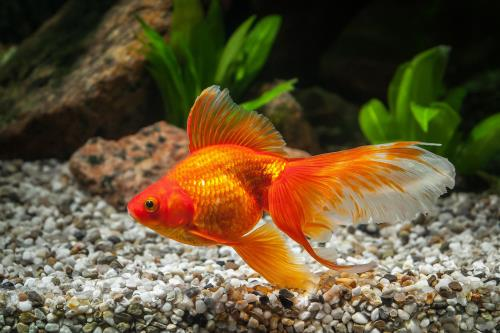
Fish are often recommended among the best pet animals for families and children because they create a peaceful and relaxing atmosphere. Aquariums can become beautiful decorative features while also teaching children about aquatic life.
Watching fish swim can reduce stress and create calming effects for both adults and children. Many families enjoy designing colorful aquariums with plants, decorations, and lighting.
Fish are considered among the best pet animals for families and children because they are relatively quiet and easy to observe. Feeding fish and cleaning tanks also teach responsibility and routine.
Different species such as goldfish, guppies, and bettas are popular beginner choices. Families should research tank sizes, water conditions, and compatibility before selecting fish.
Although fish may not interact physically like dogs or cats, they still provide entertainment and educational value for children.
Birds as Interactive Pets

Birds are another excellent choice among the best pet animals for families and children. Many birds are intelligent, social, and capable of learning sounds or words.
Parakeets, cockatiels, and lovebirds are popular family pets because they are colorful and entertaining. Children often enjoy listening to birds chirp and observing their playful behavior.
Birds require clean cages, healthy diets, and social interaction. Families selecting birds among the best pet animals for families and children should provide regular attention and enrichment activities.
Birds can create strong emotional bonds with owners when treated kindly and consistently. Some species even recognize voices and interact playfully with family members.
Teaching children proper bird handling and cage maintenance helps create positive experiences for both pets and kids.
Hamsters and Small Rodents
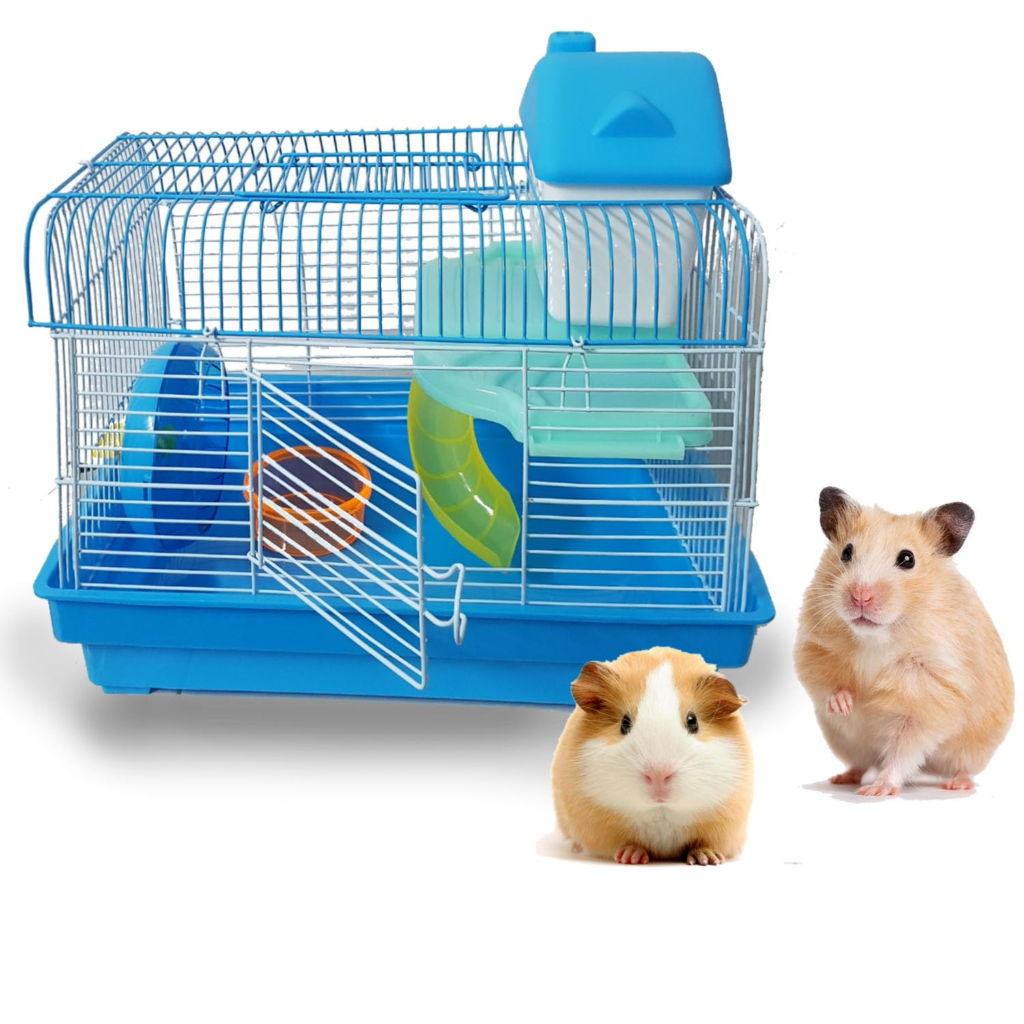
Hamsters are among the best pet animals for families and children because they are small, adorable, and relatively easy to care for. Many young children enjoy observing hamsters running on wheels and exploring tunnels.
Hamsters usually require cages with bedding, food bowls, exercise wheels, and hiding spaces. Cleaning routines and feeding schedules help children learn pet care responsibilities.
Small rodents such as guinea pigs and gerbils are also considered among the best pet animals for families and children because they are social and entertaining.
Guinea pigs especially enjoy gentle interaction and can become affectionate companions. Their calm personalities make them popular among families with younger children.
Parents should supervise handling because small pets can be delicate and easily frightened.
Turtles and Reptiles
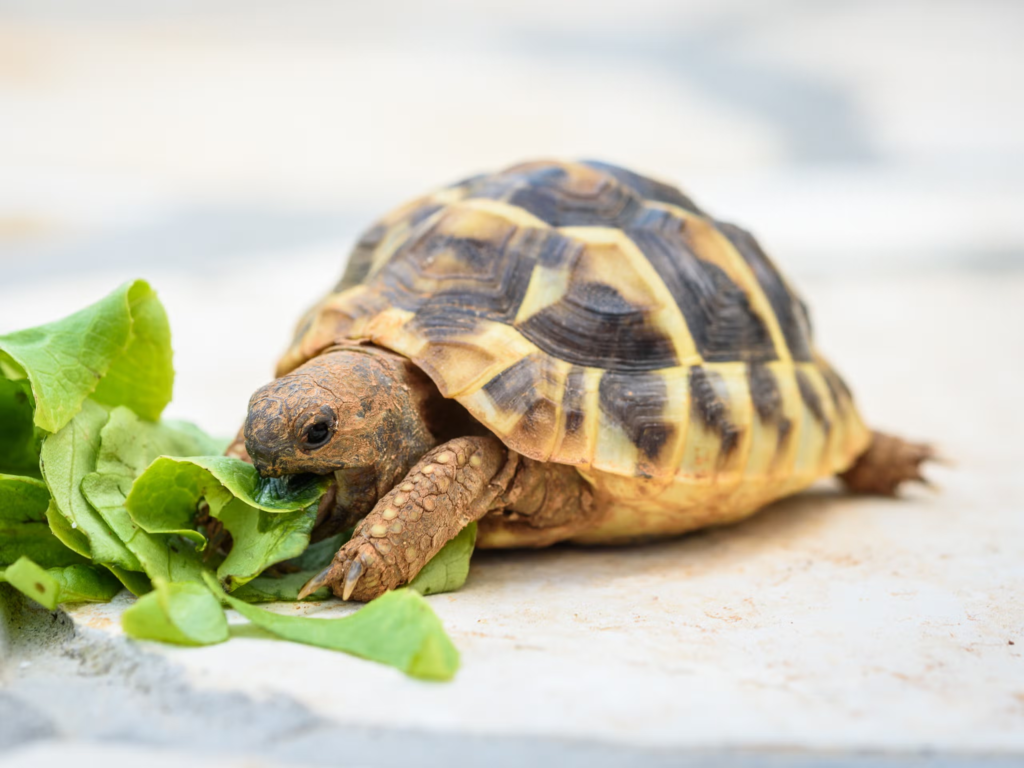
Some families prefer turtles and reptiles among the best pet animals for families and children because they are unique and educational. Turtles are generally calm and can live for many years with proper care.
Reptile habitats require heating, lighting, and specialized diets. Families considering reptiles among the best pet animals for families and children should carefully research care requirements.
Turtles can teach children patience and responsibility because they require consistent habitat maintenance and feeding routines.
Although reptiles may not provide the same level of emotional interaction as dogs or cats, they can still be fascinating pets for curious children.
Families should always ensure safe handling practices and proper hygiene when caring for reptiles.
Educational Benefits of Pets

Best pet animals for families and children provide many educational benefits. Children learn about animal behavior, biology, nutrition, and responsibility through daily pet care.
Reading books about pets, visiting veterinarians, and researching pet species can encourage curiosity and learning. Many children develop stronger communication and empathy skills after interacting with animals.
Pets also teach problem-solving and patience. Feeding schedules, grooming routines, and habitat maintenance require planning and consistency.
The best pet animals for families and children can improve emotional development because children learn how to care for living creatures and understand their needs.
Educational experiences involving pets often create lasting memories and valuable life lessons.
Emotional Benefits of Pets
Best pet animals for families and children provide emotional support and companionship. Spending time with animals often helps reduce stress, anxiety, and loneliness.
Children may feel comforted by pets during difficult situations or emotional challenges. Pets provide unconditional affection and create feelings of safety and connection.
Families often experience stronger emotional bonds through shared pet activities such as walking, feeding, grooming, and playtime.
The best pet animals for families and children also encourage laughter, relaxation, and positive interactions within the household.
Many therapists and counselors recognize the emotional benefits of animal companionship for both children and adults.
Choosing the Right Pet
Selecting the best pet animals for families and children depends on lifestyle, budget, home size, and family preferences. Every pet requires time, attention, and proper care.
Families with large outdoor spaces may prefer active dogs, while apartment households might choose cats, rabbits, or fish.
Parents should consider allergies, travel schedules, and maintenance responsibilities before selecting pets. Researching pet behavior and care needs is essential.
The best pet animals for families and children should match the energy levels and expectations of the household. Some pets require more exercise and interaction than others.
Families should involve children in the decision-making process so kids feel connected and responsible for the new pet.
Pet Safety Around Children
Safety is extremely important when introducing the best pet animals for families and children into a household. Parents should supervise interactions between younger children and pets.
Children should learn how to approach animals gently and respectfully. Pulling tails, rough handling, or sudden movements may frighten pets.
Pets also require safe spaces where they can rest without disturbance. Respecting animal boundaries helps create positive relationships.
Regular veterinary checkups, vaccinations, and hygiene routines help maintain healthy environments for both pets and family members.
Teaching children about responsible pet care promotes safety and long-term trust.
Importance of Veterinary Care
Veterinary care is essential for maintaining the health of the best pet animals for families and children. Regular checkups help prevent illness and ensure pets receive proper nutrition and treatment.
Vaccinations, parasite prevention, dental care, and routine examinations contribute to longer and healthier lives for pets.
Families should also learn about emergency signs such as unusual behavior, appetite loss, or injuries.
Providing high-quality food, exercise, and clean living conditions supports overall well-being.
The best pet animals for families and children deserve proper medical attention and compassionate care throughout their lives.
Daily Pet Care Responsibilities
Caring for the best pet animals for families and children involves daily responsibilities. Feeding schedules, exercise routines, grooming, and habitat cleaning require consistency.
Children can participate in age-appropriate tasks such as refilling water bowls, brushing pets, or organizing toys.
Families should establish routines to ensure pets receive regular care and attention. Consistency helps pets feel secure and healthy.
Exercise is especially important for active animals such as dogs. Daily walks and playtime support physical and mental stimulation.
Proper care strengthens the bond between pets and family members.
Popular Family Dog Breeds
Several dog breeds are especially recognized among the best pet animals for families and children due to their friendly personalities.
Labrador Retrievers are playful, intelligent, and affectionate. Golden Retrievers are gentle and patient with children. Beagles are curious and energetic companions.
Pugs are known for their charming personalities and adaptability to family life. Cavalier King Charles Spaniels are affectionate lap dogs that enjoy human interaction.
Mixed-breed rescue dogs can also become wonderful family pets when properly trained and socialized.
Choosing suitable breeds helps families create safe and enjoyable pet experiences.
Popular Cat Breeds
Many cat breeds are considered among the best pet animals for families and children because of their calm and friendly nature.
Ragdolls are known for their affectionate behavior and relaxed personalities. Maine Coons are gentle and sociable large cats.
British Shorthairs are calm companions that adapt well to indoor environments. Siamese cats are playful and interactive with family members.
Adopting rescue cats can also provide rewarding experiences for families willing to offer loving homes.
Understanding breed characteristics helps families choose suitable companions.
Benefits of Pet Adoption
Pet adoption is an excellent way to find the best pet animals for families and children while helping animals in need.
Animal shelters often care for loving pets searching for permanent homes. Adopting pets can save lives and provide meaningful companionship.
Shelter staff can help families select pets based on personality, size, and lifestyle compatibility.
Children who participate in adoption experiences often learn empathy and compassion for animals.
Adopted pets frequently become loyal and grateful companions within loving households.
Building Strong Pet Relationships
Building trust with the best pet animals for families and children requires patience, consistency, and kindness. Pets respond positively to gentle treatment and regular interaction.
Playing, grooming, feeding, and training activities strengthen emotional connections between pets and owners.
Positive reinforcement training helps encourage good behavior and communication.
Children should learn to respect animal feelings and understand body language.
Strong pet relationships create happier homes and long-lasting companionship.
Pets and Mental Health
Best pet animals for families and children can positively influence mental health. Spending time with animals often creates feelings of comfort and relaxation.
Pets may help reduce stress and encourage emotional stability during difficult situations.
Children with pets sometimes feel more confident and emotionally supported. Pets can become calming companions during loneliness or anxiety.
Family routines involving pets also create structure and positive daily habits.
Animal companionship continues to be recognized as an important source of emotional wellness.
Outdoor Activities with Pets
Outdoor activities involving the best pet animals for families and children encourage healthy lifestyles and family bonding.
Walking dogs, visiting parks, hiking, and playing outdoor games improve physical fitness and social interaction.
Pets often motivate children to spend more time outside instead of focusing only on screens and digital entertainment.
Families can also participate in pet-friendly events and training activities together.
Outdoor experiences create joyful memories and strengthen family relationships.
Financial Considerations
Families should carefully consider the financial responsibilities involved in caring for the best pet animals for families and children.
Expenses may include food, grooming, veterinary care, toys, cages, training, and accessories.
Larger pets often require more food and medical care than smaller animals.
Planning budgets in advance helps families provide proper care without unexpected stress.
Responsible pet ownership includes understanding long-term commitments and financial responsibilities.
Technology and Pet Care
Modern technology has improved care for the best pet animals for families and children. Automatic feeders, GPS collars, smart toys, and pet cameras help owners monitor and care for pets more effectively.
Mobile applications also provide training tips, health reminders, and veterinary support.
Technology can help busy families maintain consistent routines and improve pet safety.
Online communities and educational videos allow parents and children to learn more about pet care.
Innovation continues transforming the relationship between families and pets.
Future of Family Pets
The future of the best pet animals for families and children looks very positive as more people recognize the emotional and educational value of pets.
Pet-friendly homes, parks, schools, and travel options are becoming increasingly common.
Animal welfare awareness is also growing, encouraging responsible adoption and ethical care.
Modern families continue prioritizing companionship, emotional connection, and healthy lifestyles, making pets important members of the household.
The bond between humans and animals will likely remain strong for future generations.
Conclusion
Best pet animals for families and children bring happiness, companionship, emotional support, and valuable life lessons into homes. From playful dogs and affectionate cats to calm fish and gentle rabbits, every pet offers unique experiences and opportunities for learning.
Families who carefully choose and care for pets often create strong emotional bonds and meaningful memories. Children benefit greatly from interacting with animals because pets teach kindness, patience, empathy, and responsibility.
The best pet animals for families and children can improve emotional wellness, encourage healthy routines, and strengthen family relationships. Proper care, safety, training, and veterinary support help ensure happy and healthy experiences for both pets and owners.
As society continues recognizing the importance of animal companionship, pets will remain cherished members of countless households around the world. Choosing the right companion can transform family life and create years of joy, love, and unforgettable moments.