
CP Plus Computer: Smart Technology for Modern Digital Life

Introduction to CP Plus Computer
CP Plus Computer systems are becoming an important part of homes, offices, schools, shops, and businesses. The demand for CP Plus Computer products has increased because people want better security, faster performance, and modern technology solutions. A CP Plus Computer setup can help users manage files, access the internet, connect with devices, and improve productivity in daily work.
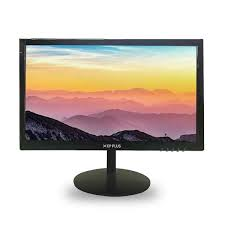
Many users prefer CP Plus Computer products because they combine advanced technology with user-friendly features. From small businesses to large organizations, CP Plus Computer solutions are helping users create secure and efficient working environments. Whether someone needs a desktop setup, storage support, security integration, or networking solutions, CP Plus Computer products offer reliable performance.
The popularity of CP Plus Computer systems continues to rise due to their modern design, dependable hardware, and digital compatibility. People who want a stable computing experience often choose CP Plus Computer products because they provide value and convenience. The growing technology market has also encouraged more users to invest in CP Plus Computer devices for professional and personal use.
Why CP Plus Computer Is Popular
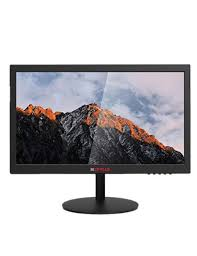
The success of CP Plus Computer products comes from their advanced technology and customer-focused design. A CP Plus Computer setup is designed to provide smooth operation, better connectivity, and improved digital management. Users appreciate the quality and reliability that CP Plus Computer products deliver.
One reason for the increasing popularity of CP Plus Computer systems is the combination of security and performance. Businesses often use CP Plus Computer devices for monitoring systems, office management, and network support. Home users also prefer CP Plus Computer setups because they are simple to use and support multiple digital functions.
Another advantage of CP Plus Computer technology is compatibility with modern software and accessories. Users can connect printers, cameras, storage devices, and networking equipment with a CP Plus Computer system. This flexibility makes CP Plus Computer products suitable for different industries and environments.
Features of CP Plus Computer Systems

CP Plus Computer systems include many advanced features that improve user experience. These features make CP Plus Computer technology useful for businesses, students, professionals, and home users.
High-Speed Performance
A CP Plus Computer system is designed to provide smooth and fast performance. Users can run applications, browse the internet, manage files, and multitask efficiently using a CP Plus Computer setup.
Reliable Storage Options
Modern CP Plus Computer systems support large storage capacities. Users can safely store documents, images, videos, and business records on a CP Plus Computer device.
Security Integration
One of the biggest advantages of CP Plus Computer products is security integration. Many users combine CP Plus Computer systems with surveillance devices and monitoring tools.
Networking Support
A CP Plus Computer setup supports networking features that help offices and businesses stay connected. The networking capability of CP Plus Computer systems allows users to share data and manage communication effectively.
User-Friendly Interface
People appreciate CP Plus Computer products because they are easy to use. Even beginners can operate a CP Plus Computer system without difficulty.
Benefits of Using CP Plus Computer
Using a CP Plus Computer system provides many benefits for users in different industries. These benefits make CP Plus Computer technology a preferred choice in the market.
Better Productivity
A CP Plus Computer setup helps users complete tasks quickly and efficiently. Offices using CP Plus Computer systems can improve workflow and communication.
Improved Security
Businesses often connect surveillance devices with a CP Plus Computer system for monitoring purposes. This makes CP Plus Computer technology valuable for security management.
Cost-Effective Solution
Many users consider CP Plus Computer products affordable compared to other technology systems. A CP Plus Computer setup offers long-term value and reliable performance.
Easy Connectivity
Users can connect accessories and external devices with a CP Plus Computer system. This flexibility makes CP Plus Computer technology practical for everyday use.
Modern Technology
A CP Plus Computer device includes modern features that support digital activities. Students, professionals, and businesses benefit from the advanced functions of CP Plus Computer systems.
CP Plus Computer for Home Use
A CP Plus Computer setup is useful for home users who need reliable digital solutions. Families use CP Plus Computer systems for entertainment, education, communication, and online work.
Students can use a CP Plus Computer device for online classes, research, assignments, and presentations. Parents also appreciate CP Plus Computer systems because they provide stable performance for educational purposes.
For entertainment, a CP Plus Computer setup allows users to stream videos, browse social media, and play games. Many home users choose CP Plus Computer products because they support multitasking and internet connectivity.
A CP Plus Computer system can also help manage home security devices. People often connect surveillance cameras and monitoring systems with a CP Plus Computer setup for better safety.
Smart Digital Technology for Everyday Life
Modern technology has completely changed the way people work, learn, communicate, and manage their daily activities. Digital systems are now essential in homes, schools, businesses, hospitals, shopping centers, and government offices. From online communication to secure data storage, advanced technology solutions provide convenience and efficiency for users around the world.
People today depend on high-performance systems for internet browsing, office work, online learning, entertainment, and business management. Reliable hardware and software allow users to complete tasks faster and more accurately. Fast processing speed, secure storage, and smooth connectivity have become important features in modern digital environments.
Technology also plays a major role in communication. Video conferencing, online meetings, cloud storage, and digital collaboration tools help businesses and students stay connected from different locations. Remote work and online education have increased the importance of dependable digital systems in everyday life.
Security is another important aspect of modern technology. Individuals and organizations use advanced monitoring systems, password protection, cloud backup, and network security tools to protect valuable information. Secure digital infrastructure helps prevent unauthorized access and improves safety in professional environments.
Educational institutions are increasingly using modern systems for smart classrooms, online examinations, digital attendance, and virtual learning platforms. Students can access study materials, research content, and educational videos from anywhere with an internet connection. Teachers also benefit from digital tools that make learning more interactive and effective.
Businesses use advanced systems for accounting, inventory management, customer service, and communication. Digital solutions help companies reduce manual work, improve productivity, and maintain accurate records. Retail stores, banks, hospitals, and offices all depend on reliable technology to manage operations efficiently.
Entertainment has also evolved with modern technology. People stream movies, listen to music, play online games, and connect on social media platforms using digital devices. Fast internet and high-quality graphics improve the entertainment experience for users of all ages.
Cloud technology has transformed data storage and sharing. Users no longer need to rely only on physical storage devices because files can now be saved securely online. Cloud services make it easier to access documents, photos, and videos from multiple devices.
Networking systems connect devices and allow smooth communication within homes and workplaces. Wireless connectivity has made digital access more convenient and flexible. Offices use network solutions for file sharing, communication, and centralized management.
Artificial intelligence and automation are shaping the future of technology. Smart systems can analyze information, automate tasks, and improve decision-making processes. Businesses are adopting intelligent solutions to increase efficiency and reduce operational costs.
Healthcare services are also improving with digital technology. Hospitals and clinics use computerized systems for patient records, medical imaging, appointment scheduling, and online consultations. Digital tools help healthcare professionals provide faster and more accurate treatment.
The growth of e-commerce has created new opportunities for businesses and consumers. Online shopping platforms allow customers to buy products from anywhere at any time. Secure payment gateways and digital tracking systems improve the shopping experience.
Technology continues to evolve rapidly, bringing innovation to every industry. Faster processors, advanced graphics, improved storage, and smart connectivity are making systems more powerful and user-friendly. The demand for reliable digital solutions will continue to grow as more people depend on technology in daily life.
Digital literacy is becoming increasingly important for students and professionals. Understanding how to use technology effectively can improve career opportunities and productivity. Many organizations now require employees to have strong digital skills.
Environmental sustainability is also influencing technological development. Companies are focusing on energy-efficient systems and eco-friendly manufacturing processes. Modern devices are designed to consume less power while delivering better performance.
Innovation in communication technology has reduced distances between people worldwide. Social platforms, messaging applications, and video calls help families, friends, and businesses stay connected instantly. Real-time communication has become an essential part of modern society.
As technology advances, users expect systems to provide speed, security, reliability, and convenience. Digital transformation is no longer limited to large organizations because individuals, students, and small businesses also rely on advanced solutions for everyday tasks.
The future of digital technology will include smarter automation, faster connectivity, improved cybersecurity, and enhanced user experiences. Modern systems will continue to support education, healthcare, business, entertainment, and communication in more efficient ways.
Reliable digital infrastructure is essential for progress in the modern world. Advanced systems improve productivity, simplify tasks, and provide better opportunities for individuals and organizations. Technology will remain a powerful force in shaping the future of society.
Smart Digital Technology for Modern Life
Introduction
Technology has become one of the most important parts of modern life. People around the world use digital devices every day for communication, education, entertainment, shopping, office work, and business operations. The rapid growth of technology has completely changed the way individuals and organizations function. From small homes to large industries, digital systems provide speed, convenience, security, and efficiency.
Modern technology helps users perform tasks quickly and accurately. People can now communicate instantly with anyone in the world through video calls, emails, and messaging platforms. Students attend online classes, businesses manage operations digitally, and families use smart devices for entertainment and security. The increasing demand for digital solutions continues to drive innovation across industries.
Advanced systems support multitasking, cloud storage, networking, data management, and online collaboration. Businesses rely on technology to maintain records, manage customer relationships, and improve productivity. Educational institutions use digital platforms to make learning interactive and accessible. Healthcare organizations use computerized systems for patient management and medical services.
The digital world continues to evolve with faster internet, artificial intelligence, automation, and cloud computing. Technology has become essential for progress and development in every sector.
Importance of Modern Technology
Technology is important because it simplifies daily life and improves efficiency. People can complete tasks in minutes that previously required hours or even days. Modern systems allow individuals and organizations to access information instantly and communicate effectively.
Digital technology supports education by providing access to online learning platforms, research materials, and virtual classrooms. Students can study from any location with internet access. Teachers use presentation tools, online assignments, and digital communication systems to improve learning experiences.
Businesses use technology for communication, accounting, marketing, inventory management, and customer support. Digital systems reduce paperwork and improve accuracy. Companies can track performance, analyze data, and make better decisions using advanced software.
Healthcare services also depend on technology. Hospitals use computerized records, online appointments, digital reports, and medical imaging systems. Technology improves patient care and helps doctors provide faster treatment.
Entertainment has become more accessible because of digital platforms. Streaming services, online gaming, music applications, and social media platforms allow people to enjoy entertainment anytime and anywhere.
Technology in Education
Education has changed significantly because of digital innovation. Online learning platforms allow students to attend classes remotely. Educational videos, e-books, presentations, and virtual labs improve the learning experience.
Teachers use smart boards, projectors, and digital tools to explain concepts more effectively. Students can access study materials online and communicate with teachers through digital platforms.
Distance learning has become increasingly popular because it provides flexibility and convenience. Students from different locations can access quality education without traveling. Online certifications and skill-based courses also help professionals improve their careers.
Technology encourages interactive learning through quizzes, animations, and virtual simulations. Digital education platforms support personalized learning experiences that help students learn at their own pace.
Educational institutions also use management software for attendance, examinations, fee management, and student records. These systems improve efficiency and reduce manual work.
Technology in Business
Businesses depend heavily on digital systems for smooth operations. Companies use software and networking systems for communication, data management, accounting, and marketing.
Digital communication tools help teams collaborate from different locations. Video conferencing, cloud storage, and project management platforms improve productivity and coordination.
E-commerce has transformed the business world. Customers can purchase products online using secure payment systems. Businesses use websites, social media platforms, and digital advertisements to reach larger audiences.
Automation helps companies reduce repetitive tasks and improve efficiency. Manufacturing industries use advanced machinery and robotic systems for faster production and better quality control.
Customer relationship management software helps businesses track customer interactions and improve services. Data analysis tools help organizations understand market trends and customer behavior.
Digital marketing has become essential for modern businesses. Search engine optimization, social media campaigns, content marketing, and online advertising help brands increase visibility and sales.
Communication in the Digital Era
Communication has improved dramatically because of technology. People can connect instantly through messaging applications, emails, and social networking platforms.
Video calls allow families, friends, and businesses to communicate in real time regardless of location. Social media platforms help people share information, ideas, and experiences globally.
Businesses use digital communication systems for meetings, customer support, and team collaboration. Fast communication improves productivity and decision-making.
Mobile devices and internet connectivity have made communication more convenient than ever before. People can access information, respond to messages, and attend meetings from almost anywhere.
Digital communication also supports emergency services, public announcements, and educational programs. Information can be shared quickly with large audiences.
Entertainment and Digital Media
Technology has revolutionized entertainment. Streaming platforms provide movies, television shows, music, and podcasts instantly. Online gaming has become a major industry with millions of users worldwide.
Social media platforms allow creators to share videos, images, and live broadcasts with audiences globally. Digital content creation has opened new career opportunities for influencers, designers, editors, and marketers.
Virtual reality and augmented reality technologies are creating immersive entertainment experiences. These innovations are changing gaming, education, and training industries.
Music streaming services allow users to access millions of songs instantly. Digital platforms also help artists distribute their work globally.
Photography and video editing tools have become more advanced and accessible. Individuals can create professional-quality content using modern devices and software.
Importance of Internet Connectivity
Internet connectivity is one of the foundations of modern digital life. Fast and stable internet allows users to access websites, online services, and communication platforms efficiently.
Businesses depend on internet connectivity for cloud storage, online transactions, customer communication, and marketing activities. Educational institutions use internet services for online learning and research.
Remote work has increased the importance of reliable internet connections. Employees can collaborate, attend meetings, and manage projects from home.
The internet also provides access to global information. People can learn new skills, read news, watch tutorials, and access educational content easily.
Smart homes and connected devices rely on internet technology for automation and control. Internet-connected systems improve convenience and efficiency in daily life.
Security and Digital Protection
As digital usage increases, cybersecurity becomes more important. Individuals and organizations must protect data from unauthorized access and cyber threats.
Password protection, encryption, antivirus software, and firewalls help improve digital security. Businesses use advanced security systems to protect customer information and financial data.
Cloud backup services help users recover important files in case of data loss. Regular software updates improve system protection against vulnerabilities.
Digital awareness is essential for safe internet usage. People should avoid suspicious links, weak passwords, and untrusted websites.
Organizations invest heavily in cybersecurity because data breaches can cause financial and reputational damage. Secure digital infrastructure supports safe communication and online transactions.
Cloud Computing and Data Storage
Cloud computing has changed how people store and access data. Users can save files online and access them from multiple devices.
Cloud services improve collaboration because teams can share and edit files in real time. Businesses use cloud technology for storage, software access, and remote work support.
Cloud storage reduces the need for physical devices such as external hard drives. It also improves data backup and disaster recovery capabilities.
Many companies prefer cloud-based systems because they are scalable and cost-effective. Users can increase storage and services according to their requirements.
Cloud computing supports modern applications, streaming platforms, and online business operations. It continues to grow as digital transformation expands globally.
Artificial Intelligence and Automation
Artificial intelligence is becoming a major part of modern technology. AI systems can analyze data, recognize patterns, and automate tasks.
Businesses use artificial intelligence for customer support, data analysis, and personalized recommendations. Chatbots and virtual assistants improve customer interaction and service efficiency.
Automation reduces repetitive work and increases productivity. Manufacturing industries use robotic systems for production and quality control.
Healthcare organizations use artificial intelligence for medical analysis and diagnostics. AI tools help doctors identify diseases and improve treatment planning.
Smart assistants and automation technologies are also used in homes for lighting control, security, and appliance management.
The future of artificial intelligence includes more advanced automation, intelligent systems, and improved decision-making capabilities.
Technology and Healthcare
Healthcare technology improves patient care and medical services. Hospitals use computerized systems for appointments, patient records, and treatment management.
Digital imaging systems provide accurate medical analysis. Telemedicine allows patients to consult doctors online without visiting hospitals physically.
Wearable devices monitor health conditions such as heart rate, sleep patterns, and physical activity. These devices encourage healthier lifestyles.
Medical research also benefits from advanced computing systems. Scientists analyze large amounts of data to develop treatments and improve healthcare solutions.
Technology helps reduce errors, improve communication, and increase efficiency in healthcare environments.
Technology in Daily Life
Digital systems influence almost every aspect of daily life. People use smartphones, laptops, tablets, and smart devices for communication, entertainment, and productivity.
Online banking allows users to transfer money, pay bills, and manage accounts securely. Shopping platforms provide convenient access to products and services.
Navigation systems help people travel efficiently using real-time maps and traffic updates. Food delivery and transportation applications make services more accessible.
Smart home systems improve convenience through automated lighting, climate control, and security monitoring.
Technology also supports fitness tracking, online learning, and remote work opportunities.
Future of Digital Innovation
The future of technology will include faster connectivity, smarter systems, and more advanced automation. Innovations such as 5G networks, artificial intelligence, and virtual reality will continue transforming industries.
Smart cities will use digital infrastructure for transportation, energy management, and public services. Autonomous vehicles and intelligent traffic systems may improve urban mobility.
Healthcare will benefit from advanced medical technologies and personalized treatment solutions. Education will continue evolving through interactive learning platforms and virtual classrooms.
Businesses will increasingly adopt automation and data-driven strategies for growth and efficiency. Cybersecurity will remain a major focus as digital dependence grows.
The integration of intelligent systems into everyday life will create new opportunities and challenges for society.
Advantages of Digital Transformation
Digital transformation improves productivity, communication, and efficiency. Organizations can automate tasks, reduce costs, and provide better customer experiences.
Educational institutions can reach more students through online learning platforms. Healthcare providers can deliver faster and more accurate medical services.
Individuals benefit from convenience, accessibility, and improved communication tools. Businesses gain access to global markets through digital platforms.
Technology also supports environmental sustainability through energy-efficient systems and paperless operations.
The ability to access information instantly improves learning and decision-making processes.
Challenges in Modern Technology
Despite its benefits, technology also creates challenges. Cybersecurity threats, privacy concerns, and digital addiction are growing issues.
Some people lack access to digital resources and internet connectivity, creating a digital divide. Organizations must invest in training and support to improve digital literacy.
Rapid technological change requires constant updates and adaptation. Businesses need to stay competitive by adopting modern systems and strategies.
Environmental concerns related to electronic waste and energy consumption also require attention.
Balancing innovation with ethical and social responsibility is important for sustainable development.
Conclusion
Technology has transformed the world by improving communication, education, business operations, healthcare, and entertainment. Digital systems provide convenience, speed, and efficiency for individuals and organizations.
Modern innovations continue to shape industries and create new opportunities for growth and development. From online learning and cloud computing to artificial intelligence and automation, technology plays a central role in modern life.
As digital transformation continues, people will rely even more on advanced systems for daily activities and professional tasks. Secure, efficient, and intelligent technologies will remain essential for future progress.
The future of digital innovation promises smarter solutions, better connectivity, and improved experiences for users worldwide. Technology will continue to influence how people work, communicate, learn, and live in the years ahead.