
Affordable eco friendly home designs Eco-Friendly Home Designs
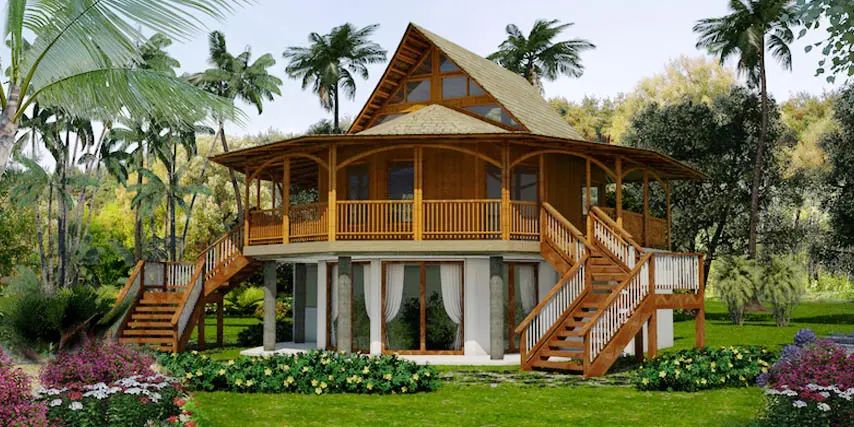
Introduction to Eco-Friendly Home Designs
Eco-friendly home designs are modern housing concepts created to reduce environmental impact while improving comfort, energy efficiency, and sustainability. These homes are designed using natural materials, smart technology, and energy-saving systems that help protect the environment and create healthier living spaces. Eco-friendly home designs are becoming increasingly popular because they combine beauty, functionality, and green living practices.
IAffordable eco friendly home designsmportance of Eco-Friendly Home Designs
Eco-friendly home designs help conserve natural resources such as water, electricity, and building materials. They reduce pollution, lower energy consumption, and minimize waste production. Sustainable homes also improve indoor air quality and provide a healthier lifestyle for homeowners. As environmental awareness grows, more people are choosing eco-friendly home designs to support a greener future.
Affordable eco friendly home designsFeatures of Eco-Friendly Home Designs
Energy-Efficient Lighting
Eco-friendly homes use LED lights and smart lighting systems that consume less electricity and last longer than traditional bulbs.
Solar Power Systems
Solar panels are commonly installed in eco-friendly home designs to generate clean and renewable energy from sunlight.
Natural Ventilation
Large windows, open spaces, and airflow-friendly layouts allow fresh air to circulate naturally, reducing the need for air conditioning.
Affordable eco friendly home designs Rainwater Harvesting
Many sustainable homes collect and store rainwater for gardening, cleaning, and other household purposes.
Sustainable Building Materials
Eco-friendly home designs often use recycled wood, bamboo, reclaimed materials, natural stone, and eco-safe paints to reduce environmental damage.
Affordable eco friendly home designs Smart Home Technology
Modern green homes include smart thermostats, automated lighting, and energy-monitoring systems to improve efficiency and reduce wastage.
Affordable eco friendly home designs Benefits of Eco-Friendly Home Designs
Lower Electricity Bills
Energy-efficient systems help homeowners save money on electricity and water expenses.
Affordable eco friendly home designs Healthy Living Environment
Eco-friendly materials and proper ventilation improve indoor air quality and reduce harmful toxins.
Affordable eco friendly home designs Environmental Protection
Green homes reduce carbon emissions and support sustainable living practices.
Increased Property Value
Sustainable homes are highly attractive in the real estate market because of their long-term cost savings and modern features.
Better Comfort and Durability
Eco-friendly home designs provide better insulation, natural cooling, and long-lasting construction quality.
Affordable eco friendly home designs Popular Eco-Friendly Home Design Ideas Home page
Rooftop Gardens
Green rooftop spaces help reduce heat and improve air quality while creating relaxing outdoor areas.
Vertical Green Walls
Indoor and outdoor plant walls add beauty and improve the natural atmosphere of the home.
Affordable eco friendly home designs Minimalist Interior Design
Simple and clutter-free interiors reduce unnecessary consumption and create peaceful living spaces.
Open Floor Plans
Open layouts improve natural lighting and airflow throughout the house.
Affordable eco friendly home designs Wooden and Natural Interiors
Using natural textures and earthy colors creates a warm and sustainable environment.
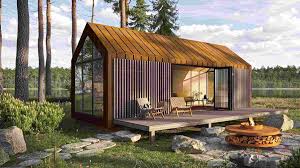
Eco-Friendly Home Designs for Modern Living
Modern eco-friendly home designs combine luxury with sustainability. Architects now focus on creating homes that are both stylish and environmentally responsible. Smart kitchens, energy-efficient appliances, eco-conscious furniture, and green landscaping are important elements in today’s sustainable homes.
Eco-friendly homes are suitable for apartments, villas, farmhouses, and urban residences. Whether small or large, every home can include sustainable features that improve efficiency and reduce environmental impact.
Sustainable Interior Design Concepts
Sustainable interiors focus on using recycled décor items, organic fabrics, eco-friendly paints, and natural materials. Indoor plants are often added to improve air quality and create a refreshing atmosphere. Neutral colors, wooden furniture, and eco-safe decorations are common in eco-friendly home designs.
Future of Eco-Friendly Home Designs
The future of eco-friendly home designs looks promising as more homeowners and builders adopt sustainable construction methods. Green buildings, renewable energy systems, and smart home innovations are becoming essential parts of modern architecture. Governments and organizations are also promoting environmentally friendly housing projects worldwide.
MOST PICKED QUESTIONS OF PEOPLE
1. Why are eco-friendly home designs important?
Eco-friendly home designs are important because they reduce environmental damage, lower electricity and water consumption, and support sustainable living. They also improve indoor air quality and provide long-term financial savings.
2. What materials are used in eco-friendly home designs?
Common materials used in eco-friendly home designs include:
- Bamboo
- Reclaimed wood
- Recycled steel
- Natural stone
- Cork
- Recycled glass
- Low-VOC paints
These materials are durable, sustainable, and environmentally safe.
3. How do eco-friendly home designs save energy?
Eco-friendly home designs save energy through:
- Solar panels
- LED lighting
- Natural ventilation
- Smart thermostats
- Energy-efficient appliances
- Proper insulation
These features reduce electricity usage and lower utility bills.
4. Are eco-friendly home designs expensive?
The initial construction cost of eco-friendly home designs can sometimes be higher than traditional homes. However, they help save money over time through lower electricity, water, and maintenance costs.
5. What are the benefits of eco-friendly home designs?
Benefits include:
- Lower energy bills
- Healthier indoor air quality
- Reduced environmental impact
- Better comfort and insulation
- Increased property value
- Sustainable living
6. Can small homes also be eco-friendly?
Yes, small homes can easily include eco-friendly features such as solar lighting, recycled furniture, water-saving fixtures, and natural ventilation systems.
7. What is sustainable interior design?
Sustainable interior design focuses on using eco-friendly furniture, natural materials, recycled décor, organic fabrics, and energy-efficient lighting to create healthy and environmentally responsible interiors.
8. What role does solar energy play in eco-friendly home designs?
Solar energy helps generate clean electricity from sunlight. Solar panels reduce dependence on traditional electricity sources and help homeowners lower energy costs.
9. How do eco-friendly home designs conserve water?
Eco-friendly home designs conserve water through:
- Rainwater harvesting systems
- Low-flow faucets
- Water-efficient toilets
- Smart irrigation systems
- Recycled water systems
10 . What are smart eco-friendly homes?
Smart eco-friendly homes use advanced technology to monitor and control lighting, security, temperature, and energy consumption efficiently.
Merits of Eco-Friendly Home Designs
Eco-friendly home designs provide many advantages for homeowners and the environment. These homes are energy-efficient and help reduce electricity and water consumption through features like solar panels, LED lighting, and rainwater harvesting systems. They improve indoor air quality by using natural ventilation, indoor plants, and non-toxic materials. Eco-friendly home designs also support environmental protection by reducing pollution and carbon emissions. Sustainable materials such as bamboo, recycled wood, and natural stone make these homes durable and environmentally responsible. In addition, homeowners can save money in the long term because green homes reduce utility bills and maintenance costs. Eco-friendly home designs also increase property value and create healthier, more comfortable living environments.
Points on Merits
- Saves electricity and water
- Reduces utility bills
- Improves indoor air quality
- Supports environmental protection
- Uses sustainable materials
- Provides long-term savings
- Increases property value
- Creates healthier living spaces
- Reduces carbon footprint
- Enhances natural lighting and ventilation
Demerits of AFFORDABLE Eco-Friendly Home Designs
Despite their many benefits, eco-friendly home designs also have some disadvantages. The initial construction cost of sustainable homes can be higher because eco-friendly materials and advanced technologies are often expensive. Some green building materials may not be easily available in every location. Eco-friendly systems like solar panels and smart home devices may require regular maintenance and professional installation. Building sustainable homes can also take more time due to specialized planning and construction methods. In certain climates, renewable energy systems may not work efficiently throughout the year. Additionally, converting old homes into eco-friendly spaces can be costly and challenging for homeowners.
Points on Demerits
- Higher initial construction cost
- Expensive eco-friendly technologies
- Limited availability of materials
- Maintenance costs for smart systems
- Longer construction time
- Dependence on weather conditions
- Requires careful planning
- Difficult renovation in old homes
- Additional space may be needed
- Lack of awareness among some homeowners
Sustainable Home Design Ideas
1. Solar Panel Roofing
Install solar panels on rooftops to generate clean and renewable energy. Solar-powered homes reduce electricity bills and support eco-friendly living.
2. Rooftop Garden
Create a rooftop garden with plants, vegetables, and flowers. Rooftop gardens improve insulation, reduce heat, and enhance air quality.
3. Large Windows for Natural Light
Use large glass windows and open spaces to allow natural sunlight inside the home. This reduces the need for artificial lighting during the daytime.
4. Rainwater Harvesting System
Install rainwater collection systems to store water for gardening, cleaning, and household use.
5. Bamboo and Recycled Wood Interiors
Decorate homes with bamboo flooring, recycled wood furniture, and natural materials for a sustainable and stylish look.
6. Indoor Vertical Garden
Add a vertical green wall inside the house to improve indoor air quality and create a refreshing atmosphere.
7. Smart Energy Systems
Use smart thermostats, automated lighting, and energy-monitoring systems to reduce energy consumption.
8. Open Floor Plan
Design open living spaces that improve airflow and natural ventilation throughout the home.
9. Sustainable Kitchen Design
Choose energy-efficient appliances, recycled countertops, wooden cabinets, and compost bins for eco-friendly kitchens.
0. Eco-Friendly Bathroom Design
Install low-flow showerheads, water-saving toilets, and natural stone finishes to conserve water and energy.
11. Tiny Sustainable Homes
Small eco-friendly homes reduce energy use, construction waste, and maintenance costs while supporting minimalist living.
12. Passive Cooling Design
Use shaded windows, proper insulation, and natural airflow techniques to keep homes cool without excessive air conditioning.
13. Green Courtyard Spaces
Add small indoor courtyards or garden spaces for natural beauty, ventilation, and relaxation.
14. Sustainable Outdoor Landscaping
Plant native trees and drought-resistant plants that require less water and maintenance.
15. Recycled Furniture and Décor
Use refurbished furniture, recycled décor items, and eco-friendly fabrics to reduce waste and create unique interiors.
16. Natural Cooling Materials
Use clay tiles, stone walls, and eco-friendly insulation materials that naturally maintain indoor temperatures.
17. Solar Outdoor Lighting
Install solar-powered garden lights and pathway lights to save electricity outdoors.
18. Net-Zero Energy Home Concept
Design homes that produce as much energy as they consume through renewable energy systems and efficient construction.
19. Minimalist Sustainable Design
Choose simple layouts, functional furniture, and clutter-free interiors to promote eco-conscious living.
20. Smart Water Management Systems
Use automated irrigation systems, greywater recycling, and water-efficient fixtures to reduce water wastage.
Detailed Tips for AFFORDABLE Eco-Friendly Home Designs
1. Maximize Natural Light in Your Home
One of the best eco-friendly tips is to design your home in a way that uses maximum natural sunlight. Large windows, glass doors, skylights, and open layouts help sunlight enter easily. This reduces the need for artificial lighting during the day and saves electricity. Light-colored walls and reflective surfaces also help spread natural light throughout the house.
2. Install Solar Energy Systems
Solar panels are a powerful way to make your home sustainable. They convert sunlight into electricity that can power lights, fans, appliances, and even air conditioners. Although installation may cost more initially, it reduces electricity bills significantly in the long run and makes your home energy-independent.
3. Use Energy-Efficient Appliances
Always choose appliances with high energy ratings. Energy-efficient refrigerators, air conditioners, washing machines, and LED lights consume less power while giving the same performance. This reduces your electricity usage and helps protect the environment.
4. Focus on Proper Home Insulation
Good insulation keeps your home cool in summer and warm in winter. It reduces the need for air conditioning and heating systems. Materials like foam insulation, fiberglass, and natural insulation materials help maintain indoor temperature efficiently.
5. Add Indoor Plants for Clean Air
Indoor plants improve air quality and make your home feel fresh and natural. Plants like snake plant, aloe vera, peace lily, and spider plant absorb toxins and increase oxygen levels. They also enhance mental well-being and reduce stress.
6. Use Sustainable Building Materials
Choose eco-friendly materials like bamboo, reclaimed wood, recycled steel, natural stone, and clay bricks. These materials are durable, safe, and have low environmental impact. Avoid materials that release harmful chemicals or require heavy energy to produce.
7. Install Rainwater Harvesting System
Rainwater harvesting helps collect and store rainwater for daily use such as gardening, cleaning, and washing. It reduces dependency on municipal water supply and helps conserve natural water resources.
8. Adopt Smart Home Technology
Smart systems help control lighting, temperature, and electricity usage automatically. Smart thermostats, motion sensors, and automated lighting ensure energy is not wasted when not needed. This makes your home more efficient and modern.
9. Reduce Water Waste
Install water-saving fixtures like low-flow taps, dual-flush toilets, and efficient showerheads. Fix leaks immediately and reuse greywater (used water from washing) for gardening wherever possible.
10. Use Minimalist Interior Design
Minimalism helps reduce unnecessary consumption and clutter. Choose simple furniture, functional designs, and fewer decorative items. This reduces material usage and creates a peaceful living environment.
11. Prefer Natural Ventilation
Design your home with proper airflow in mind. Cross ventilation allows fresh air to move freely inside the house. This reduces the need for fans and air conditioners, saving energy.
12. Create Rooftop or Balcony Gardens
Green spaces on rooftops or balconies help reduce heat, improve air quality, and create relaxing outdoor areas. You can grow herbs, vegetables, or decorative plants easily in small spaces.
13. Use Eco-Friendly Paints and Finishes
Traditional paints contain harmful chemicals. Eco-friendly low-VOC or zero-VOC paints are safer for health and reduce indoor pollution.
14. Reuse and Recycle Home Materials
Instead of throwing away old furniture or items, try recycling or reusing them. Old wood can be transformed into new furniture, and glass jars can be used for storage or decoration.
15. Reduce Plastic Usage in Home
Replace plastic items with eco-friendly alternatives like glass, metal, bamboo, or clay products. This reduces pollution and makes your home more sustainable.
16. Install Solar Water Heaters
Solar water heaters use sunlight to heat water instead of electricity or gas. They are highly efficient and reduce energy bills, especially in warm climates.
17. Choose Smart Landscaping Techniques
Use native plants that require less water and maintenance. Drip irrigation systems also help save water and keep gardens healthy.
18. Maintain Regular Energy Monitoring
Track your electricity usage using smart meters or apps. This helps identify energy wastage and improve efficiency in daily life.
19. Design Open and Flexible Spaces
Open floor plans reduce the need for artificial lighting and improve airflow. Flexible spaces also reduce construction material usage and improve functionality.
20. Build for Long-Term Sustainability
Always think long-term while designing a home. Choose durable materials, energy-efficient systems, and smart layouts that will remain useful for many years without heavy renovation.
REAL LIFE EXAMPLES OF AFFORDABLE ECO FRIENDLY HOME DESIGNS
1. BedZED – A Model of Eco-Friendly Home Designs (UK)
BedZED in London is one of the most famous examples of eco-friendly home designs in the world. This sustainable community was built to reduce energy use and promote green living.
Key Eco-Friendly Home Designs Features:
- Solar panels used for renewable energy
- Thick insulation to reduce heat loss
- Natural ventilation systems for airflow
- Rainwater harvesting system for water saving
- Energy-efficient construction materials
Why it is a perfect example of eco-friendly home designs:
BedZED shows how eco-friendly home designs can reduce carbon emissions while still offering modern comfort and stylish living.
2. Earthships – Fully Sustainable Eco-Friendly Home Designs (USA)
Earthships in New Mexico are extreme examples of eco-friendly home designs built using recycled materials.
Key Features:
- Made from recycled tires, bottles, and cans
- Off-grid electricity using solar and wind energy
- Self-sufficient water collection system
- Natural heating and cooling design
- Indoor food-growing greenhouse
Why Earthships are special:
These eco-friendly home designs are completely independent from electricity grids and water systems, making them highly sustainable.
3. The Edge Building – Smart Eco-Friendly Home Designs (Netherlands)
The Edge in Amsterdam represents smart and modern eco-friendly home designs using technology.
Key Features:
- Solar panels covering building exterior
- Smart lighting systems with motion sensors
- Energy-efficient heating and cooling
- Real-time energy monitoring system
- Rainwater reuse technology
Why it stands out:
This building shows how eco-friendly home designs can combine sustainability with smart technology for maximum efficiency.
4. Heliotrope House – Advanced Eco-Friendly Home Designs (Germany)
Heliotrope House is one of the most innovative eco-friendly home designs ever created.
Key Features:
- Rotates to follow the sun for maximum solar energy
- Produces more energy than it consumes
- Advanced insulation system
- Solar-powered electricity and heating
- Rainwater recycling system
Why it matters:
It proves that eco-friendly home designs can even generate extra energy instead of just saving it.
5. Solar Settlement – Sustainable Eco-Friendly Home Designs (Germany)
Solar Settlement in Freiburg is a community built completely on eco-friendly home designs principles.
Key Features:
- Solar-powered homes
- Passive heating design
- Highly insulated structures
- Car-free environment
- Shared green community spaces
Why it is important:
Every home in this project proves that eco-friendly home designs can work on a large community scale.
6. Bullitt Center – Green Eco-Friendly Home Designs (USA)
The Bullitt Center in Seattle is considered one of the greenest buildings inspired by eco-friendly home designs.
Key Features:
- Solar panels for full energy supply
- Rainwater collection system
- Composting toilets
- Non-toxic building materials
- Maximum use of natural daylight
Why it is special:
This building proves that eco-friendly home designs can achieve “net-zero energy” and even exceed sustainability standards.
Affordable eco friendly home designsAffordable eco friendly home designsAffordable eco friendly home designsAffordable eco friendly home designsAffordable eco friendly home designsAffordable eco friendly home designsAffordable eco friendly home designsAffordable eco friendly home designsAffordable eco friendly home designsAffordable eco friendly home designsAffordable eco friendly home designsAffordable eco friendly home designsAffordable eco friendly home designsAffordable eco friendly home designsAffordable eco friendly home designsAffordable eco friendly home designsAffordable eco friendly home designsAffordable eco friendly home designsAffordable eco friendly home designsAffordable eco friendly home designsAffordable eco friendly home designsAffordable eco friendly home designs