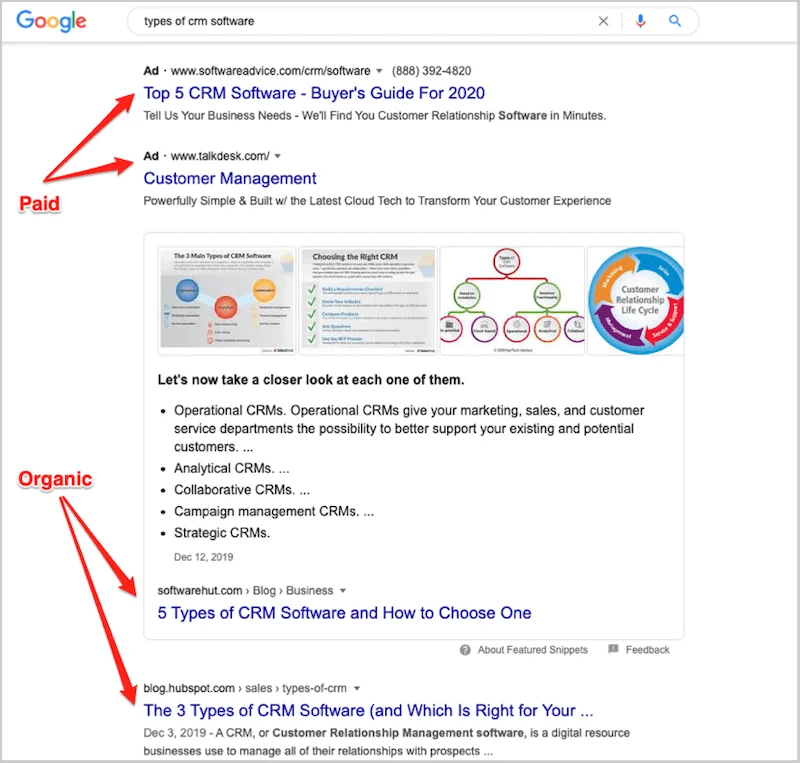
Introduction to Top Search Engine Ranking Techniques
Top search engine ranking techniques are extremely important in the modern digital world because businesses, bloggers, creators, and website owners all want better visibility on search engines. Every day, millions of people use Google, Bing, and other search platforms to find products, services, tutorials, businesses, and information. Websites that appear at the top of search engine results usually receive more traffic, better engagement, and higher sales opportunities.
Top search engine ranking techniques help websites improve their position in search engine results pages. Higher rankings increase organic traffic, which means visitors arrive naturally without paid advertising. Businesses invest heavily in top search engine ranking techniques because strong search visibility can generate long-term growth and brand authority.
Modern top search engine ranking techniques focus on user experience, content quality, technical optimization, keyword relevance, backlinks, mobile responsiveness, and page speed. Search engines continuously update their algorithms to provide users with the best possible results. Because of this, website owners must stay updated with the latest top search engine ranking techniques.
Understanding top search engine ranking techniques is essential for bloggers, digital marketers, e-commerce businesses, freelancers, and content creators who want sustainable online success.
Understanding Search Engines
Before learning top search engine ranking techniques, it is important to understand how search engines work.
Search engines use automated systems called crawlers or bots to scan websites across the internet. These crawlers collect information about web pages and store it in search engine databases called indexes.
When users search for something, search engines analyze indexed pages and rank them according to relevance and quality. Algorithms determine which pages appear first.
Top search engine ranking techniques help websites communicate clearly with search engines so algorithms can better understand the content.
Search engines evaluate many factors, including:
- Keyword relevance
- Website speed
- User experience
- Content quality
- Backlinks
- Mobile optimization
- Engagement metrics
Websites that perform well in these areas usually achieve better rankings.
Keyword Research and Top Search Engine Ranking Techniques
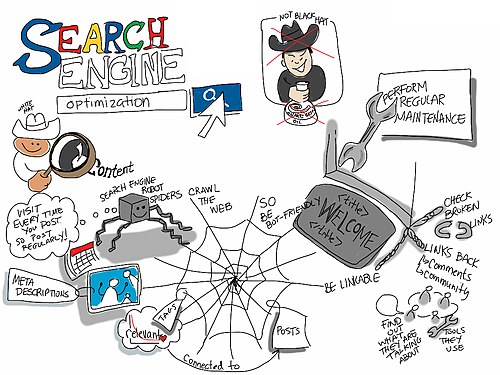
Keyword research is one of the most important top search engine ranking techniques. Keywords are the search terms users type into search engines.
For example:
- “best running shoes”
- “graphic design tips”
- “SEO services”
- “top search engine ranking techniques”
Understanding what people search for helps businesses create relevant content.
Types of Keywords
Short-Tail Keywords
These are broad search terms with high competition.
Example:
- SEO
- Shoes
- Marketing
Long-Tail Keywords
These are more specific search phrases with lower competition.
Example:
- Best SEO tips for beginners
- Affordable shoes for walking
- Top search engine ranking techniques for blogs
Long-tail keywords often attract targeted traffic.
Keyword Placement
Top search engine ranking techniques recommend placing keywords naturally in:
- Titles
- Headings
- Meta descriptions
- URLs
- Image alt text
- Content paragraphs
Keyword stuffing should always be avoided because search engines may penalize websites for unnatural optimization.
High-Quality Content and Top Search Engine Ranking Techniques
Content quality remains one of the strongest top search engine ranking techniques.
Search engines prioritize content that:
- Solves user problems
- Provides valuable information
- Is original
- Is easy to read
- Keeps users engaged
High-quality content improves:
- User experience
- Engagement
- Time on page
- Organic traffic
Long-Form Content
Long-form articles often perform well because they provide detailed information. Comprehensive guides increase authority and keyword opportunities.
Content Freshness
Updating old content is another important top search engine ranking technique. Fresh content signals relevance to search engines.
Readability
Content should use:
- Clear headings
- Short paragraphs
- Bullet points
- Simple language
Easy-to-read content improves user experience and rankings.
On-Page SEO and Top Search Engine Ranking Techniques
On-page SEO refers to optimizing individual web pages.
Title Tags
Title tags are extremely important top search engine ranking techniques because they help search engines understand page topics.
Good title tags should:
- Include keywords
- Be clear
- Encourage clicks
Meta Descriptions
Meta descriptions summarize page content. Strong descriptions improve click-through rates.
Headings
Using headings like H1, H2, and H3 improves structure and readability.
URL Structure
Short and descriptive URLs perform better.
Example:
- website.com/top-search-engine-ranking-techniques
Internal Linking
Internal links connect pages within a website. They improve navigation and help distribute authority.
Technical SEO and Top Search Engine Ranking Techniques
Technical SEO focuses on website performance and search engine accessibility.
Website Speed
Fast-loading websites rank better because users prefer quick experiences.
Top search engine ranking techniques for speed include:
- Image compression
- Browser caching
- Fast hosting
- Minified code
Mobile Optimization
Most internet users browse on mobile devices. Mobile-friendly websites are essential top search engine ranking techniques.
Responsive design ensures websites adapt to different screen sizes.
Secure Websites
HTTPS security improves trust and rankings.
XML Sitemaps
Sitemaps help search engines understand website structure.
Fixing Broken Links
Broken links negatively affect user experience and rankings.
Backlinks and Top Search Engine Ranking Techniques
Backlinks are links from other websites pointing to your site. They remain one of the strongest top search engine ranking techniques.
Search engines view backlinks as trust signals.
High-Quality Backlinks
Links from authoritative websites provide stronger ranking benefits.
Natural Link Building
Top search engine ranking techniques recommend earning backlinks naturally through:
- Valuable content
- Guest posting
- Infographics
- Research studies
- Tutorials
Avoid Spam Links
Low-quality or spammy backlinks can harm rankings.
User Experience and Top Search Engine Ranking Techniques
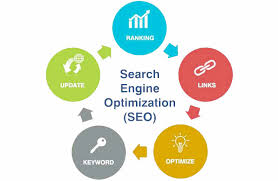
User experience has become a major ranking factor.
Search engines analyze how users interact with websites.
Important UX Factors
- Easy navigation
- Fast loading speed
- Mobile responsiveness
- Clean design
- Readable content
Positive user experiences improve:
- Engagement
- Session duration
- Conversion rates
Top search engine ranking techniques increasingly focus on user satisfaction.
Image Optimization and Top Search Engine Ranking Techniques
Images improve visual appeal and engagement, but they should be optimized properly.
Image Compression
Large images slow websites.
Alt Text
Alt text helps search engines understand images.
File Names
Descriptive file names improve relevance.
Example:
- top-search-engine-ranking-techniques.jpg
Optimized images improve both SEO and accessibility.
Voice Search and Top Search Engine Ranking Techniques
Voice search is becoming increasingly popular through smartphones and smart assistants.
Top search engine ranking techniques for voice search include:
- Conversational keywords
- FAQ sections
- Natural language optimization
People often speak differently than they type, so websites should adapt accordingly.
Local SEO and Top Search Engine Ranking Techniques
Local SEO helps businesses appear in local search results.
Google Business Profile
Optimizing Google Business Profiles improves local visibility.
Local Keywords
Examples:
- Best restaurant in Bathinda
- Graphic designer near me
Customer Reviews
Positive reviews improve credibility and rankings.
Local Citations
Consistent business information across directories improves trust.
Local SEO is one of the most effective top search engine ranking techniques for local businesses.
Content Marketing and Top Search Engine Ranking Techniques
Content marketing supports SEO by attracting audiences through valuable content.
Blogging
Regular blog posts improve keyword visibility.
Tutorials
Educational content performs well in search results.
Videos
Video content improves engagement.
Infographics
Visual content encourages backlinks and sharing.
Top search engine ranking techniques often combine SEO with content marketing strategies.
Social Signals and Top Search Engine Ranking Techniques
Although social media is not a direct ranking factor, strong social visibility can improve traffic and engagement.
Sharing content on:
- YouTube
can increase reach and backlink opportunities.
Social engagement indirectly supports top search engine ranking techniques.
AI and Top Search Engine Ranking Techniques
Artificial intelligence is changing SEO rapidly.
Search engines now better understand:
- User intent
- Context
- Content quality
AI-powered search algorithms prioritize useful and relevant information.
Top search engine ranking techniques now focus more on:
- Human-centered content
- Search intent
- Natural language
AI tools also help marketers with:
- Keyword research
- Content planning
- SEO analysis
Search Intent and Top Search Engine Ranking Techniques
Search intent refers to the reason behind a search query.
Types of Search Intent
Informational
Users seek information.
Example:
- What is SEO?
Navigational
Users search for specific websites.
Transactional
Users want to buy something.
Commercial Investigation
Users compare products or services.
Understanding intent improves content relevance and rankings.
E-Commerce SEO and Top Search Engine Ranking Techniques
Online stores heavily depend on SEO.
Product Optimization
Product pages should include:
- Descriptive titles
- Keywords
- Unique descriptions
- High-quality images
Category Pages
Optimized category pages improve rankings.
Customer Reviews
Reviews improve trust and keyword relevance.
Top search engine ranking techniques are essential for e-commerce growth.
Analytics and Top Search Engine Ranking Techniques
Analytics help measure SEO performance.
Tools like Google Analytics provide data on:
- Traffic
- Bounce rates
- Keywords
- User behavior
SEO strategies should be adjusted based on performance data.
Analytics-driven optimization improves results over time.
Common SEO Mistakes
Many websites fail because they ignore important top search engine ranking techniques.
Keyword Stuffing
Overusing keywords harms readability.
Duplicate Content
Copied content can reduce rankings.
Slow Websites
Poor speed damages user experience.
Ignoring Mobile Users
Mobile optimization is essential.
Low-Quality Backlinks
Spam links can hurt SEO.
Avoiding these mistakes improves long-term rankings.
Future Trends in Top Search Engine Ranking Techniques
SEO continues evolving every year.
Future top search engine ranking techniques may focus more on:
- AI-generated search experiences
- Voice search
- Video SEO
- User engagement
- Personalized results
Search engines will likely prioritize authenticity and expertise even more.
Websites providing valuable user experiences will continue performing best.
Importance of Patience in SEO
SEO is a long-term strategy.
Top search engine ranking techniques often require:
- Months of optimization
- Content updates
- Link building
- Technical improvements
Results may not appear instantly, but strong SEO creates sustainable growth over time.
Businesses that remain consistent usually achieve better long-term rankings.
Building Authority Through Top Search Engine Ranking Techniques
Authority is extremely important in SEO.
Websites build authority through:
- Expert content
- Backlinks
- Consistency
- Positive user experiences
Search engines trust authoritative websites more.
Strong authority improves rankings across multiple keywords.
Conclusion on Top Search Engine Ranking Techniques
Top search engine ranking techniques are essential for businesses, bloggers, creators, and digital marketers who want strong online visibility. Modern SEO focuses on high-quality content, user experience, technical optimization, backlinks, keyword relevance, and audience value.
Successful top search engine ranking techniques require long-term consistency and continuous improvement. Websites that prioritize user satisfaction, helpful information, and modern optimization strategies usually achieve the best results.
As search engines continue evolving, staying updated with the latest top search engine ranking techniques will remain critical for online success. Businesses and creators who adapt to changing algorithms and focus on providing real value will continue achieving higher rankings and stronger organic growth.
Advanced SEO Strategies for Better Website Rankings
Search engine optimization has become one of the most powerful digital marketing methods for improving online visibility and increasing website traffic. Businesses, bloggers, e-commerce stores, educational websites, and service providers all depend on SEO strategies to attract visitors from search engines. A well-optimized website can generate organic traffic for months or even years without depending entirely on paid advertising.
Modern SEO is no longer limited to simply adding keywords into articles. Search engines now focus heavily on user experience, content quality, authority, relevance, mobile usability, and technical performance. Websites that provide valuable experiences to users usually perform better in search results.
SEO is important because users generally trust websites appearing on the first page of search engines more than websites hidden deeper in search results. Higher visibility often leads to:
- More traffic
- Better credibility
- Increased sales
- Higher engagement
- Stronger brand awareness
Companies around the world invest heavily in SEO because organic traffic often produces long-term business growth.
Understanding Search Intent
Search intent refers to the reason behind a user’s search query. Understanding user intent is one of the most important aspects of modern SEO because search engines aim to provide the most relevant results possible.
Informational Intent
Users want information or answers.
Examples:
- How to improve website speed
- What is digital marketing
- Benefits of SEO
Transactional Intent
Users are ready to purchase products or services.
Examples:
- Buy running shoes online
- Best web hosting plans
- Affordable graphic design services
Navigational Intent
Users search for a specific website or brand.
Examples:
- YouTube login
- Instagram profile
- Nike official website
Commercial Investigation
Users compare options before purchasing.
Examples:
- Best smartphones under ₹30,000
- Nike vs Adidas shoes
- Best DSLR cameras
Creating content that matches user intent improves engagement and rankings.
Importance of Website Speed
Website speed directly affects both user experience and SEO performance. Visitors quickly leave slow websites, which increases bounce rates and reduces engagement.
Fast-loading websites improve:
- User satisfaction
- Conversion rates
- Session duration
- Search engine rankings
Ways to Improve Website Speed
Optimize Images
Large images slow websites significantly. Compressing images helps improve loading speed.
Use Fast Hosting
Reliable hosting improves server performance and website stability.
Minimize Code
Reducing unnecessary CSS, JavaScript, and HTML improves performance.
Enable Browser Caching
Caching stores website files temporarily on user devices for faster loading.
Use Content Delivery Networks
CDNs distribute content across multiple global servers for faster access.
Search engines prioritize websites that deliver smooth and fast user experiences.
Mobile-Friendly Website Design
Most internet users now browse websites through smartphones and tablets. Because of this, mobile responsiveness is extremely important for SEO success.
A responsive website automatically adjusts to different screen sizes and devices.
Benefits of Mobile Optimization
- Better user experience
- Lower bounce rates
- Improved rankings
- Higher engagement
- Better accessibility
Websites with poor mobile usability often struggle to maintain strong search visibility.
Important mobile optimization practices include:
- Responsive layouts
- Readable text sizes
- Fast mobile loading
- Easy navigation
- Proper spacing between buttons
Mobile-first indexing means search engines primarily evaluate the mobile version of websites.
Creating Valuable Blog Content
Blogging remains one of the most effective methods for attracting organic traffic.
Educational and informative blog posts help websites:
- Rank for more keywords
- Build authority
- Increase engagement
- Earn backlinks
- Improve trust
Evergreen Content
Evergreen articles remain useful for long periods.
Examples:
- Beginner SEO guides
- Website optimization tutorials
- Social media marketing tips
Problem-Solving Content
Content that solves audience problems usually performs well because it provides clear value.
Detailed Guides
Long and comprehensive articles often perform strongly because they cover topics deeply.
Useful blog content increases website credibility and improves overall SEO performance.
Importance of Backlinks
Backlinks are links from other websites pointing to your pages. They remain one of the strongest ranking signals because they act like trust recommendations.
When reputable websites link to your content, search engines interpret this as a sign of authority.
Ways to Earn Backlinks
Guest Blogging
Writing articles for other websites can generate quality backlinks.
Infographics
Visual content often earns shares and links naturally.
Research and Statistics
Unique data and studies attract citations from other websites.
High-Quality Tutorials
Helpful tutorials encourage websites to reference your content.
Avoid Low-Quality Links
Spammy backlinks from irrelevant websites can negatively affect rankings.
Building natural backlinks through valuable content is the safest long-term strategy.
Content Structure and Readability
Search engines and users both prefer organized content.
Well-structured articles improve:
- Readability
- Engagement
- User experience
Use Clear Headings
Headings help organize information logically.
Short Paragraphs
Large text blocks can overwhelm readers.
Bullet Points
Bullet points improve scanning and readability.
Simple Language
Easy-to-understand writing improves audience retention.
Readable content encourages visitors to stay longer on websites.
Importance of Internal Linking
Internal links connect pages within the same website.
They help:
- Improve navigation
- Distribute authority
- Increase page views
- Help search engines crawl content
For example, a blog about digital marketing can internally link to:
- SEO guides
- Social media tutorials
- Website optimization tips
Strong internal linking structures improve user experience and website organization.
User Experience and Engagement
Search engines increasingly evaluate how users interact with websites.
Positive user signals include:
- Long session duration
- Low bounce rates
- Multiple page visits
- High engagement
Websites should focus on:
- Clean layouts
- Easy navigation
- Fast loading
- Helpful content
- Attractive visuals
A positive user experience encourages visitors to return and engage more deeply.
The Role of Images and Videos
Visual content improves engagement and retention.
Benefits of Images
- Increase readability
- Improve visual appeal
- Support explanations
Benefits of Videos
- Increase session duration
- Improve engagement
- Explain complex topics more effectively
Video content is becoming increasingly important in modern SEO because users prefer interactive experiences.
Optimized multimedia content can improve both rankings and audience satisfaction.
Voice Search Optimization
Voice search continues growing due to smartphones and smart assistants.
People use conversational language during voice searches.
Examples:
- “What are the best SEO tips?”
- “How can I improve website traffic?”
Voice optimization strategies include:
- Conversational content
- FAQ sections
- Natural language phrases
- Quick answers
Voice-friendly content improves accessibility and discoverability.
Local SEO Strategies
Local businesses benefit greatly from local SEO.
Restaurants, salons, agencies, gyms, clinics, and retail stores all depend on local visibility.
Google Business Profiles
Optimized business profiles improve local presence.
Customer Reviews
Positive reviews build trust and influence rankings.
Consistent Contact Information
Business details should remain identical across directories.
Local Keywords
Using city or region names improves local relevance.
Local SEO helps businesses attract nearby customers actively searching for services.
Importance of Website Security
Website security affects both trust and rankings.
Secure websites use HTTPS encryption, which protects user data.
Benefits of secure websites include:
- Better user trust
- Improved rankings
- Safer browsing experiences
Visitors are less likely to trust websites marked as insecure.
Security also helps protect websites from malware and hacking attacks.
Content Freshness and Updates
Updating old content is important because information changes over time.
Fresh content signals relevance to search engines.
Ways to Refresh Content
- Add updated statistics
- Improve formatting
- Add new sections
- Replace outdated examples
Regular updates help maintain rankings and improve user trust.
Social Media and SEO Connection
Social media indirectly supports SEO by increasing visibility and traffic.
Platforms like:
- YouTube
help distribute content to wider audiences.
Social sharing can:
- Increase traffic
- Improve brand recognition
- Generate backlinks
- Boost engagement
Although social signals are not direct ranking factors, they support overall digital growth.
Artificial Intelligence and Modern SEO
Artificial intelligence is changing how search engines evaluate content.
AI systems now better understand:
- Context
- User intent
- Natural language
- Content quality
Modern SEO increasingly focuses on creating genuinely useful content rather than manipulating algorithms.
AI tools also help marketers with:
- Content planning
- Keyword analysis
- Competitor research
- Performance tracking
However, human creativity and expertise remain essential for successful content strategies.
Importance of Analytics
Analytics tools help website owners understand audience behavior and performance.
Important metrics include:
- Traffic sources
- Bounce rates
- Session duration
- Conversion rates
- Popular pages
Analyzing data helps improve future strategies.
Businesses that monitor analytics regularly can identify:
- Weak pages
- High-performing content
- User behavior patterns
Data-driven decisions improve long-term growth.
E-Commerce Optimization
Online stores depend heavily on SEO to attract customers.
Product Descriptions
Unique and detailed product descriptions improve visibility.
Product Images
High-quality images increase conversions.
Customer Reviews
Reviews improve trust and keyword diversity.
Category Optimization
Optimized category pages help users and search engines navigate products effectively.
E-commerce SEO directly impacts online sales and revenue.
Building Online Authority
Authority is one of the strongest factors in modern search visibility.
Websites build authority through:
- Valuable content
- Expert knowledge
- Quality backlinks
- Consistent publishing
Trusted websites are more likely to rank for competitive keywords.
Building authority requires long-term effort and credibility.
Common SEO Mistakes
Many websites struggle because of avoidable mistakes.
Duplicate Content
Copied content reduces uniqueness and value.
Slow Websites
Poor speed damages user experience.
Weak Content
Thin or low-value articles struggle to rank.
Ignoring Mobile Users
Mobile optimization is essential today.
Poor Navigation
Confusing layouts reduce engagement.
Avoiding these issues improves overall website performance.
Future of Search Optimization
The future of SEO will continue evolving alongside technology and user behavior.
Important future trends may include:
- AI-powered search
- Visual search
- Voice search growth
- Personalized results
- Interactive experiences
Search engines will continue prioritizing user satisfaction and valuable content.
Websites that adapt quickly to changing technologies and user expectations will remain competitive.
Conclusion
Search optimization remains one of the most effective long-term digital marketing strategies. Businesses, creators, bloggers, and brands all benefit from improving visibility through better content, technical performance, user experience, and authority building.
Modern SEO focuses heavily on providing value to users rather than manipulating algorithms. Websites that prioritize helpful content, fast performance, mobile usability, and trustworthiness usually achieve stronger rankings and sustainable traffic growth.
As technology and search behavior continue evolving, businesses that remain consistent, adaptable, and user-focused will continue succeeding in the competitive online world.