
Social Media and Digital Marketing Strategies
Introduction to Social Media and Digital Marketing Strategies
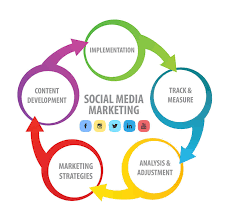
Social Media and Digital Marketing Strategies are essential for businesses that want to grow in the modern online world. Every business, whether small or large, uses Social Media and Digital Marketing Strategies to increase brand visibility, connect with customers, and improve sales. In today’s competitive market, companies depend on Social Media and Digital Marketing Strategies to create strong relationships with audiences and build long-term success.
The rise of online platforms has changed the way businesses communicate with customers. Social Media and Digital Marketing Strategies help brands reach millions of people through platforms such as Facebook, Instagram, LinkedIn, Pinterest, YouTube, and TikTok. Businesses can use Social Media and Digital Marketing Strategies to share engaging content, run advertising campaigns, and build trust with consumers.
Social Media and Digital Marketing Strategies are not only about posting content online. They involve planning, audience targeting, SEO optimization, email marketing, influencer partnerships, paid advertising, and data analysis. Businesses that use effective Social Media and Digital Marketing Strategies can attract more traffic, improve customer engagement, and increase profits.
In this detailed guide, you will learn everything about Social Media and Digital Marketing Strategies, including SEO techniques, content marketing, social media advertising, branding, customer engagement, and future trends.
Importance of Social Media and Digital Marketing Strategies
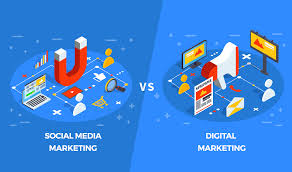
Social Media and Digital Marketing Strategies are important because they help businesses connect with customers faster and more effectively than traditional marketing methods. Digital platforms allow companies to communicate directly with audiences, understand customer behavior, and improve products and services.
One of the biggest advantages of Social Media and Digital Marketing Strategies is cost-effectiveness. Small businesses can compete with large companies by creating quality content and engaging with audiences online. Social Media and Digital Marketing Strategies also provide measurable results, allowing businesses to track clicks, conversions, traffic, and sales.
Another reason why Social Media and Digital Marketing Strategies are valuable is brand awareness. Consistent online marketing helps businesses become recognizable and trusted. Customers often purchase from brands they know and trust, making Social Media and Digital Marketing Strategies an essential part of long-term business growth.
Social Media and Digital Marketing Strategies also improve customer engagement. Businesses can reply to comments, answer questions, and create relationships with audiences in real time. This interaction builds loyalty and encourages repeat customers.
Types of Social Media and Digital Marketing Strategies
1. Content Marketing
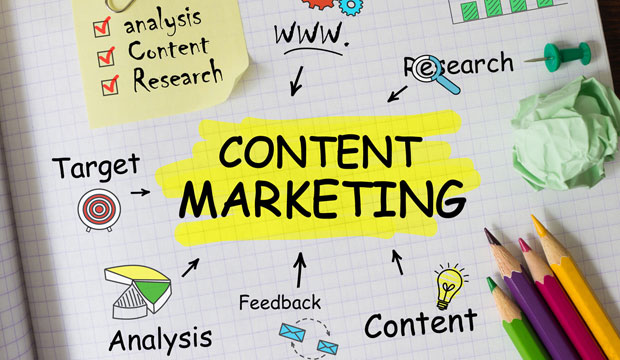
Content marketing is one of the most effective Social Media and Digital Marketing Strategies. Businesses create valuable content such as blog posts, videos, infographics, podcasts, and guides to attract and educate audiences.
Quality content improves SEO rankings and helps websites appear higher on search engines. Social Media and Digital Marketing Strategies based on content marketing focus on providing useful information that solves customer problems.
Examples of content marketing include:
- Blog articles
- Educational videos
- Social media posts
- Tutorials
- Product reviews
- Infographics
- E-books
Content marketing builds trust and positions businesses as industry experts.
2. Search Engine Optimization (SEO)
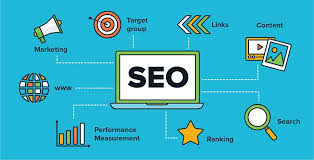
SEO is a critical part of Social Media and Digital Marketing Strategies. SEO helps websites rank higher on search engines like Google, increasing organic traffic.
Important SEO techniques include:
- Keyword optimization
- High-quality content creation
- Mobile-friendly website design
- Fast page speed
- Internal linking
- Backlink building
- Meta descriptions and title tags
Businesses using SEO-focused Social Media and Digital Marketing Strategies can gain long-term traffic without relying only on paid advertising.
3. Social Media Marketing
Social media marketing involves promoting products and services on platforms like Instagram, Facebook, LinkedIn, Pinterest, TikTok, and YouTube. Social Media and Digital Marketing Strategies on social platforms focus on engagement, storytelling, and community building.
Businesses use social media marketing to:
- Share updates
- Promote products
- Increase followers
- Build brand awareness
- Generate leads
- Drive website traffic
Creative visuals and engaging captions are essential for successful Social Media and Digital Marketing Strategies on social platforms.
4. Email Marketing
Email marketing remains one of the highest-converting Social Media and Digital Marketing Strategies. Businesses send newsletters, promotions, and personalized emails to customers.
Benefits of email marketing include:
- Direct communication
- Personalized marketing
- Increased customer retention
- Better conversion rates
- Higher ROI
Businesses can automate email campaigns to improve efficiency and customer engagement.
5. Influencer Marketing
Influencer marketing is becoming a powerful part of Social Media and Digital Marketing Strategies. Brands collaborate with influencers who have loyal audiences.
Influencers promote products through:
- Sponsored posts
- Reviews
- Tutorials
- Live sessions
- Giveaways
Influencer marketing helps businesses gain trust quickly because audiences value recommendations from creators they follow.
Creating Effective Social Media and Digital Marketing Strategies
Understanding Your Audience
The first step in creating successful Social Media and Digital Marketing Strategies is understanding your target audience. Businesses must know customer interests, age groups, online behavior, and preferences.
Audience research helps businesses create personalized campaigns that attract the right people. Tools like Google Analytics and social media insights provide valuable information about audience behavior.
Setting Marketing Goals
Clear goals are essential for successful Social Media and Digital Marketing Strategies. Businesses should define objectives such as:
- Increasing website traffic
- Growing social media followers
- Improving sales
- Building brand awareness
- Generating leads
- Increasing customer engagement
Specific goals help businesses measure campaign success.
Choosing the Right Platforms
Different platforms serve different purposes. Businesses should select platforms that match their target audience.
Examples include:
- Instagram for visuals and lifestyle brands
- LinkedIn for professional networking
- Pinterest for inspiration and product discovery
- YouTube for video marketing
- Facebook for community engagement
- TikTok for short-form entertainment content
Using the right platforms improves the effectiveness of Social Media and Digital Marketing Strategies.
Social Media Content Strategies
Content is the foundation of Social Media and Digital Marketing Strategies. High-quality content attracts audiences and encourages engagement.
Visual Content
Images and videos perform better than plain text on most platforms. Businesses should create visually appealing content using:
- High-quality images
- Product photography
- Reels and short videos
- Infographics
- Branded graphics
Visual storytelling improves audience engagement.
Video Marketing
Video marketing is one of the fastest-growing Social Media and Digital Marketing Strategies. Platforms like YouTube, Instagram Reels, and TikTok prioritize video content.
Benefits of video marketing include:
- Higher engagement
- Better brand recall
- Improved conversion rates
- Increased sharing
Educational and entertaining videos attract more viewers.
User-Generated Content
User-generated content includes reviews, testimonials, and customer photos. Businesses using user-generated content in Social Media and Digital Marketing Strategies build trust and authenticity.
Customers often trust real user experiences more than traditional advertisements.
Paid Advertising in Social Media and Digital Marketing Strategies
Paid advertising helps businesses reach targeted audiences quickly.
Facebook and Instagram Ads
Facebook and Instagram ads allow businesses to target users based on age, interests, location, and behavior.
Popular ad formats include:
- Carousel ads
- Video ads
- Story ads
- Image ads
- Shopping ads
Google Ads
Google Ads help businesses appear at the top of search engine results. Businesses using Google Ads as part of Social Media and Digital Marketing Strategies can increase website traffic and sales.
YouTube Advertising
YouTube ads help brands reach audiences through video content. Video advertising improves engagement and brand awareness.
Branding and Social Media and Digital Marketing Strategies
Branding is essential for successful Social Media and Digital Marketing Strategies. Strong branding creates trust and recognition.
Building a Brand Identity
A brand identity includes:
- Logo
- Colors
- Typography
- Tone of voice
- Messaging
Consistent branding across all platforms improves customer recognition.
Storytelling in Marketing
Storytelling helps businesses connect emotionally with audiences. Social Media and Digital Marketing Strategies using storytelling create memorable experiences.
Brands should share:
- Company values
- Customer success stories
- Behind-the-scenes content
- Brand journeys
SEO and Social Media and Digital Marketing Strategies
SEO and social media work together to improve online visibility.
Keyword Research
Keyword research helps businesses identify terms customers search online.
Businesses should use keywords naturally in:
- Blog posts
- Titles
- Meta descriptions
- Social media captions
- Product descriptions
On-Page SEO
On-page SEO includes optimizing website elements such as:
- Headlines
- Images
- URLs
- Internal links
- Content structure
Well-optimized websites perform better in search rankings.
Link Building
Backlinks from trusted websites improve authority and rankings. Businesses using Social Media and Digital Marketing Strategies should focus on earning quality backlinks.
Analytics and Performance Tracking
Analytics help businesses measure the success of Social Media and Digital Marketing Strategies.
Advanced Approaches to Online Brand Promotion and Audience Growth
Modern businesses rely heavily on online communication channels to build visibility, connect with customers, and increase sales. Companies of every size now compete for attention in a crowded digital space where creativity, consistency, and customer engagement determine success. Building a recognizable online presence requires more than simply posting content regularly. It demands strategic planning, audience understanding, and the ability to adapt quickly to changing trends.
One of the most effective ways to grow online visibility is by understanding audience behavior. Every customer group has different preferences, interests, and purchasing habits. Businesses that study customer interactions carefully can create campaigns that feel more personal and relevant. When users feel understood, they are more likely to engage with content, share posts, and become loyal customers.
Audience research often begins with demographic analysis. Companies look at factors such as age, location, profession, and interests to identify ideal customer groups. Behavioral analysis goes even deeper by examining how users interact with online content, what products they search for, and what motivates their purchasing decisions. These insights help brands create messaging that resonates with the right people.
Content planning plays a major role in successful online campaigns. Random posting usually leads to inconsistent results, while a structured content calendar helps businesses maintain organization and consistency. Planning ahead allows brands to align campaigns with seasonal trends, holidays, product launches, and promotional events. It also helps ensure a healthy balance between educational, entertaining, and promotional content.
Storytelling is another important element of modern online promotion. Customers are more likely to remember stories than simple advertisements. Brands that share authentic experiences, customer success stories, or behind-the-scenes content often create stronger emotional connections with audiences. Emotional engagement encourages users to interact more frequently with a brand and increases the likelihood of long-term loyalty.
Video content continues to dominate online platforms because it captures attention quickly and delivers information in an engaging format. Short-form videos, tutorials, live streams, and product demonstrations can significantly increase user engagement. Businesses that invest in high-quality video production often experience better reach and stronger customer interaction.
Live streaming has become especially valuable for brands that want to connect with audiences in real time. Live sessions allow businesses to answer questions, demonstrate products, and create a sense of authenticity. Customers appreciate direct communication because it feels more personal and trustworthy. Live content also encourages immediate interaction through comments, reactions, and shares.
Interactive content is another growing trend in online marketing. Polls, quizzes, contests, and interactive stories encourage users to participate rather than passively consume information. Interactive experiences create higher engagement levels because users enjoy content that involves direct participation. Businesses can also use interactive tools to gather valuable customer insights.
Building trust is essential for long-term online success. Customers are more likely to purchase from brands they trust. Transparency, honesty, and consistent communication help establish credibility. Businesses that respond quickly to customer concerns and maintain open communication often build stronger reputations.
Customer reviews and testimonials play a major role in building trust. Positive reviews act as social proof and influence purchasing decisions. Encouraging satisfied customers to leave reviews can improve credibility and attract new buyers. Responding professionally to negative reviews is equally important because it demonstrates responsibility and customer care.
Influencer partnerships have become one of the most powerful methods of expanding online reach. Influencers already have established audiences that trust their recommendations. When businesses collaborate with influencers whose audiences align with their target market, they can increase brand awareness quickly. Authentic partnerships are more effective than heavily scripted promotions because audiences value honesty.
Micro-influencers are becoming increasingly popular because they often have highly engaged communities. Although their follower counts may be smaller, their audiences are usually more loyal and interactive. Businesses can often achieve better engagement rates through smaller creators who maintain closer relationships with followers.
Search engine optimization remains an essential part of online marketing success. Optimizing website content helps businesses appear in search engine results when customers look for related products or services. Effective optimization includes using relevant keywords, improving website speed, creating valuable content, and ensuring mobile compatibility.
Blogging continues to be a valuable strategy for attracting organic traffic. Informative articles help businesses establish authority in their industry while improving search visibility. High-quality blog content can answer customer questions, provide useful insights, and encourage visitors to spend more time on a website.
Email campaigns remain highly effective despite the rise of newer communication channels. Personalized email messages help businesses maintain direct communication with customers. Successful email campaigns often include product recommendations, exclusive offers, educational content, and updates tailored to individual preferences.
Segmentation improves email performance by allowing businesses to send different messages to different audience groups. Customers are more likely to engage with emails that feel relevant to their interests. Personalized subject lines and targeted offers can significantly increase open rates and click-through rates.
Automation tools have transformed modern marketing by helping businesses save time and improve efficiency. Automated workflows can schedule posts, send follow-up emails, and nurture leads without constant manual effort. Automation allows businesses to maintain consistent communication while focusing on broader strategic goals.
Artificial intelligence is becoming increasingly important in digital campaigns. AI-powered tools can analyze customer behavior, predict trends, and recommend optimized content strategies. Chatbots also improve customer service by providing instant responses to common questions at any time of day.
Mobile optimization is no longer optional because a large percentage of online traffic comes from smartphones and tablets. Websites that are difficult to navigate on mobile devices often lose potential customers quickly. Responsive design, fast loading times, and simple navigation improve the mobile experience and increase user satisfaction.
Visual branding helps businesses stand out in competitive online environments. Consistent use of colors, fonts, logos, and design styles creates a recognizable identity. Strong visual branding helps customers remember a company and builds familiarity over time.
User-generated content has become one of the most authentic forms of online promotion. Customers enjoy sharing their experiences with products and services, especially when encouraged by brands. Featuring customer photos, testimonials, and reviews helps create a sense of community while increasing trust.
Community building is a powerful long-term strategy for sustainable growth. Businesses that create online communities encourage customers to interact with each other as well as with the brand itself. Communities foster loyalty because customers feel connected to something larger than a simple transaction.
Consistency is one of the most important factors in online success. Posting irregularly can cause audiences to lose interest, while consistent activity helps maintain visibility and engagement. Consistency applies not only to posting schedules but also to messaging, tone, and visual style.
Analytics and performance tracking help businesses understand what strategies are working effectively. Monitoring metrics such as engagement rates, website traffic, conversions, and audience growth provides valuable insights. Data-driven decision-making allows businesses to refine campaigns and improve future performance.
Conversion optimization focuses on turning visitors into customers. Attractive website design, clear calls to action, and simplified checkout processes help improve conversion rates. Businesses should regularly test different layouts, headlines, and promotional strategies to identify what works best.
Retargeting campaigns help businesses reconnect with users who previously interacted with their website or content. Many customers need multiple interactions before making a purchase decision. Retargeting reminds users about products or services they viewed earlier and encourages them to return.
Personalization continues to shape modern customer expectations. Consumers increasingly expect brands to deliver experiences tailored to their interests and behaviors. Personalized recommendations, dynamic website content, and customized offers improve customer satisfaction and increase the likelihood of repeat purchases.