
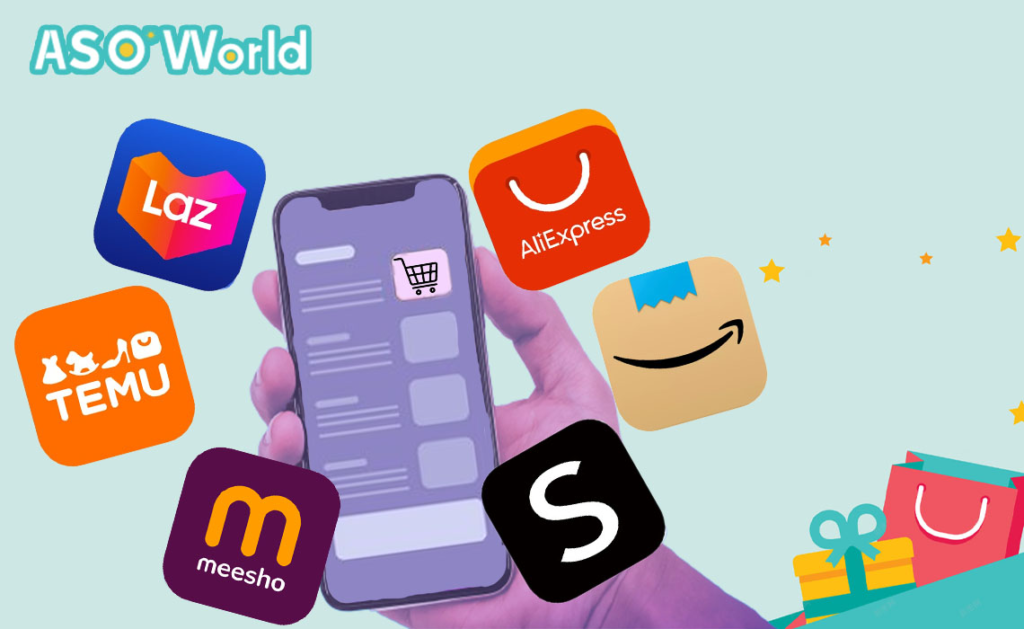
Shopping Apps: The Future of Online Shopping
Shopping apps have completely changed the way people buy products in today’s digital world. From clothes and electronics to groceries and beauty products, everything is now available at the fingertips of users through mobile applications. These apps provide convenience, speed, discounts, and a smooth shopping experience for millions of customers around the world. With the rapid growth of smartphones and internet access, shopping apps have become one of the most important parts of modern life.
The popularity of shopping apps continues to increase because they save both time and effort. Instead of visiting crowded stores, users can browse products, compare prices, read reviews, and place orders directly from their phones. Many businesses are also moving online because customers now prefer digital shopping platforms. Whether someone wants fashion products, gadgets, books, home décor, or food items, shopping apps make the process simple and comfortable.
What Are Shopping Apps?

apps are mobile applications designed to help users buy products or services online. These applications connect customers with sellers through digital marketplaces. Users can search for products, add items to a cart, make secure payments, and track deliveries through the app.
Popular shopping apps include:
- Amazon
- Flipkart
- Myntra
- Ajio
- Meesho
- Nykaa
These platforms provide millions of products and attract customers through offers, discounts, cashback rewards, and quick delivery services.
Growth of Shopping Apps
The growth of shopping apps has been extraordinary over the last decade. Earlier, people mostly preferred traditional shopping from physical stores. However, advancements in technology and digital payment systems have encouraged consumers to switch to online shopping.
The COVID-19 pandemic also played a major role in increasing the popularity of shopping apps. During lockdown periods, people depended heavily on online platforms for groceries, medicines, fashion products, and daily essentials. As a result, many businesses invested in improving their digital shopping experiences.
Today, shopping apps are used by students, working professionals, homemakers, and senior citizens. The convenience of home delivery and online payments has made digital shopping more attractive than ever before.
Features of Shopping Apps
User-Friendly Interface
Most shopping apps have simple and attractive designs that allow users to browse products easily. Categories, filters, and search options help customers find products quickly.
Secure Payment Options
- Credit cards
- Debit cards
- UPI payments
- Digital wallets
- Cash on delivery
These payment systems make transactions safe and convenient.
Product Reviews and Ratings
Customers can read reviews and ratings before buying products. This helps users make informed purchasing decisions and avoid poor-quality items.
Personalized Recommendations
Order Tracking
Users can track their orders in real time. Delivery updates and notifications keep customers informed about shipment status.
Discounts and Offers
Many shopping apps attract users through:
- Festival sales
- Flash sales
- Coupons
- Cashback rewards
- Membership benefits
These offers encourage customers to shop more frequently.
Benefits of Shopping Apps
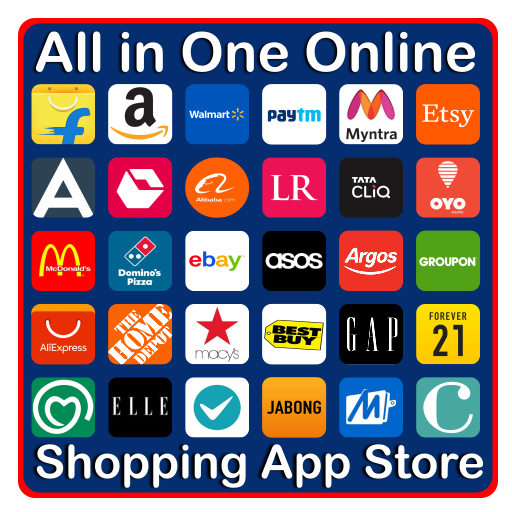
apps provide many advantages to both customers and businesses.
Convenience
Users can shop anytime and anywhere without visiting physical stores. This convenience is one of the biggest reasons behind the success of shopping apps.
Time Saving
Online shopping eliminates the need to travel and stand in long queues. Customers can compare products within minutes.
Wide Product Selection
apps provide access to thousands of brands and products in one place. Customers can explore different styles, colors, and price ranges easily.
Better Price Comparison
Users can compare prices from multiple sellers before purchasing products. This helps customers find affordable deals.
Easy Returns and Refunds
Many shopping apps offer return and refund policies, increasing customer confidence in online shopping.
Global Shopping Experience
People can purchase products from international brands without leaving their homes.
Popular Categories in Shopping Apps
Fashion
Fashion shopping apps are extremely popular among young users. Customers can buy:
- Clothes
- Shoes
- Bags
- Watches
- Accessories
Apps like Myntra and Ajio specialize in trendy fashion products.
Electronics
Electronics apps offer smartphones, laptops, headphones, televisions, and gaming devices. Customers often compare technical features and prices online before making purchases.
Beauty and Skincare
Beauty shopping apps provide skincare products, cosmetics, perfumes, and haircare essentials. Nykaa is one of the leading beauty shopping platforms in India.
Grocery Shopping
Grocery apps allow users to order fruits, vegetables, snacks, beverages, and household essentials with fast delivery services.
Books and Education
Many apps sell books, stationery, educational tools, and online learning products for students and professionals.
Technology Behind Shopping Apps

Modern shopping apps use advanced technologies to improve customer experiences.
Artificial Intelligence
AI helps apps analyze user behavior and recommend suitable products. Personalized suggestions increase customer engagement.
Machine Learning
Machine learning improves search results and predicts customer preferences.
Cloud Computing
Cloud technology allows shopping apps to handle large amounts of user data and transactions efficiently.
Augmented Reality
Some apps use augmented reality features that allow customers to virtually try products such as glasses, makeup, or furniture before purchasing.
Chatbots
AI-powered chatbots help customers solve problems quickly through automated support systems.
Importance of Shopping Apps for Businesses
apps provide major opportunities for businesses and entrepreneurs.
Increased Sales
Businesses can reach customers across cities and countries through digital platforms.
Brand Visibility
Online presence helps companies promote products to larger audiences.
Customer Engagement
Apps provide direct communication with users through notifications and promotions.
Data Collection
Businesses can analyze customer behavior and improve marketing strategies using data insights.
Lower Operating Costs
Online businesses may reduce expenses related to physical stores and staff.
Challenges of Apps
Despite their advantages, shopping apps also face several challenges.
Security Risks
Cybersecurity threats and data breaches can affect customer trust.
Fake Products
Some platforms may contain counterfeit products that damage customer confidence.
Delivery Issues
Late deliveries and damaged products can negatively impact user experiences.
Internet Dependency
Shopping require internet access, which may be difficult in some regions.
Return Complications
Complex return policies may frustrate customers.
Future of App
The future of apps looks highly promising. Technology continues to improve digital shopping experiences through:
- Faster deliveries
- AI-powered recommendations
- Voice shopping
- Virtual reality shopping
- Drone deliveries
More businesses are expected to develop mobile-friendly shopping platforms to meet customer demand.
Experts believe that s apps will become even more personalized in the future. Customers may receive customized suggestions based on preferences, location, and buying history.
Shopping and Social Media
Social media platforms now play a huge role in online shopping. Many brands promote products through:
- YouTube
- TikTok
Influencers and content creators also help businesses increase product visibility and sales.
Apps are integrating social media features that allow users to share products, reviews, and recommendations with friends and followers.
Mobile Payments and Shopping Apps
Digital payment systems are important for the success of apps. Payment methods such as:
- Google Pay
- PhonePe
- Paytm
- Apple Pay
have made transactions easier and safer for users.
Cashless payments reduce the need for physical money and speed up the checkout process.
Shopping for Small Businesses
Shopping are not only beneficial for large companies but also for small businesses and local sellers. Entrepreneurs can sell handmade products, clothing, accessories, and home décor items online.
Platforms like Meesho help resellers and small business owners reach more customers through digital marketing and social sharing.
Environmental Impact of Shopping Apps
Online shopping has both positive and negative environmental effects.
Positive Effects
- Reduced travel emissions
- Digital billing reduces paper usage
Negative Effects
- Packaging waste
- Increased delivery traffic
- Carbon emissions from transportation
Many companies are now focusing on eco-friendly packaging and sustainable delivery methods.
Customer satisfaction is the key to success in the online shopping industry. Apps focus on:
- Fast delivery
- Quality products
- Easy returns
- Customer support
- Secure payments
Positive customer experiences encourage repeat purchases and brand loyalty.
Role of Reviews in Shopping Apps
Reviews and ratings are extremely important for online shopping. Customers often read opinions from other buyers before purchasing products.
Positive reviews increase trust, while negative reviews help businesses identify areas for improvement.
Shopping Apps in India

India is one of the fastest-growing markets for apps. Increasing smartphone usage and affordable internet plans have boosted digital shopping trends.
Popular Indian shopping apps include:
- Flipkart
- Myntra
- Ajio
- Nykaa
Indian consumers actively participate in festival sales such as:
- Diwali sales
- Big Billion Days
- End-of-season sales
These events generate huge online shopping traffic every year.
Shopping Apps and Artificial Intelligence
Artificial intelligence continues to transform shopping apps in innovative ways. AI technologies help companies:
- Improve customer support
- Detect fraud
- Recommend products
- Optimize inventory management
Voice assistants and smart search features are also becoming more common in shopping apps
Evolution of Shopping Apps
The journey of apps started with simple online websites where customers could browse a few products and place orders. Over time, technology improved rapidly, leading to the development of advanced mobile applications with better designs, faster loading speeds, and secure payment systems. Today, apps are highly interactive and personalized, offering customers a complete digital shopping experience.
In the early days of online shopping, people were hesitant to make digital payments because of security concerns. However, improvements in cybersecurity, encrypted payment systems, and trusted online platforms increased customer confidence. Companies also introduced cash-on-delivery services, which helped more people adopt shopping apps.
As smartphone usage increased worldwide, businesses realized that mobile applications were more convenient than desktop websites. Customers preferred using apps because they were faster, easier to access, and provided instant notifications about discounts and offers.
Influence of Apps on Consumer Behavior
apps have changed customer buying habits significantly. Consumers now expect:
- Faster delivery
- Easy product searches
- Personalized recommendations
- Multiple payment methods
- 24/7 shopping access
People also spend more time comparing products online before making purchasing decisions. Reviews, ratings, and influencer recommendations strongly impact buying behavior.
Impulse buying has also increased because shopping apps regularly display attractive deals, flash sales, and limited-time offers. Notifications encourage customers to explore products even when they are not actively planning to shop.
Digital Marketing
Digital marketing plays a major role in the success of shopping apps. Companies use various strategies to attract users and increase sales.
Social Media Advertising
Brands promote products through platforms like:
- YouTube
Fashion brands often collaborate with influencers who showcase products through photos and videos.
Email Marketing
apps send personalized emails about:
- New arrivals
- Discounts
- Special sales
- Cart reminders
Push Notifications
Apps use push notifications to inform users about:
- Flash sales
- Limited offers
- Order updates
- Seasonal discounts
These notifications help businesses increase customer engagement.
Search Engine Optimization

SEO helps shopping apps rank higher in search results. Companies use keywords, optimized content, and mobile-friendly designs to improve visibility online.
Fashion Apps
Fashion is one of the biggest categories in online shopping. Millions of users purchase clothing, shoes, accessories, and beauty products through fashion apps every day.
Popular fashion platforms include:
- Myntra
- Ajio
- Nykaa
These apps provide:
- Trendy collections
- Celebrity-inspired fashion
- Seasonal styles
- Premium brands
- Affordable options
Fashion apps also allow users to filter products by:
- Size
- Color
- Brand
- Price
- Style
This makes online shopping more convenient and personalized.
Grocery Shopping Apps
Grocery delivery apps have become extremely popular in urban areas. Customers can order daily essentials such as:
- Vegetables
- Fruits
- Dairy products
- Snacks
- Household items
Quick delivery services have transformed customer expectations. Many apps now promise deliveries within minutes or hours.
Benefits of grocery shopping apps include:
- Convenience
- Time savings
- Contactless delivery
- Better price comparison
- Subscription services
These platforms are especially useful for busy professionals and elderly customers.
Luxury Apps
Luxury brands are also entering the digital shopping market. High-end fashion, watches, jewelry, and designer products are now available through premium shopping platforms.
Luxury shopping apps focus on:
- Exclusive collections
- Premium customer support
- Authentic products
- Elegant app design
- Personalized shopping assistance
Customers can explore luxury products from global brands without visiting physical stores.
Students frequently use shopping apps to buy:
- Books
- Stationery
- Gadgets
- Fashion products
- Study materials
Many apps provide student discounts and affordable product categories. Educational shopping platforms also offer online courses and digital learning tools.
Budget-friendly deals and cashback offers attract younger audiences who prefer online shopping over traditional retail stores.
Role of Data Analytics in Shopping Apps
Data analytics is extremely important for shopping apps. Businesses collect information about customer preferences, buying patterns, and browsing history to improve services.
Analytics help companies:
- Understand market trends
- Improve product recommendations
- Optimize pricing
- Predict customer demand
- Reduce inventory waste
Personalized shopping experiences are possible because of advanced data analysis technologies.
Importance of User Experience
User experience is one of the most important factors in shopping app success. A slow or confusing app can frustrate users and reduce sales.
Companies invest heavily in:
- Fast loading speeds
- Attractive designs
- Smooth navigation
- Easy checkout processes
- Mobile optimization
Good user experience encourages repeat purchases and customer loyalty.
Shopping have connected international markets like never before. Customers can now buy products from different countries with just a few clicks.
Global shopping platforms allow access to:
- International fashion brands
- Imported electronics
- Specialty products
- Rare collectibles
Cross-border e-commerce is growing rapidly because customers want more product variety and competitive prices.
Cybersecurity in Shopping Apps
Security remains a major concern in online shopping. Customers share personal and financial information through apps, making cybersecurity extremely important.
- Encryption technology
- Secure payment gateways
- Two-factor authentication
- Fraud detection systems
Companies must continuously improve security systems to protect users from cyber threats.
Apps and Customer Loyalty Programs
Many apps use loyalty programs to retain customers. These programs reward users through:
- Points systems
- Cashback offers
- Exclusive discounts
- Membership benefits
Loyal customers often receive early access to sales and premium services.
Membership programs encourage customers to continue shopping from the same platform instead of switching to competitors.
Voice Search and Shopping Apps
Voice search technology is becoming more common in apps. Customers can search for products using voice commands instead of typing.
Voice assistants make shopping:
- Faster
- Easier
- More accessible
This technology is especially useful for multitasking users and people with disabilities.
Companies are constantly developing innovative features to improve convenience and customer satisfaction.
Virtual stores may allow users to walk through digital shopping environments from home using VR devices.
Final Thoughts
Shopping have become a major part of modern digital life. They offer convenience, speed, variety, and personalized experiences that traditional retail stores often cannot match. Businesses continue investing in advanced technologies to improve customer engagement and stay competitive in the growing e-commerce industry.
From fashion and beauty to groceries and electronics, shopping apps now serve almost every consumer need. Their influence on global commerce, customer behavior, and digital marketing is stronger than ever.
As technology evolves, shopping apps will continue shaping the future of online commerce by providing smarter, safer, and more immersive shopping experiences for users worldwide..
Conclusion

Shopping have revolutionized modern commerce by making shopping simple, fast, and accessible. They offer convenience, variety, secure payments, and personalized experiences for users worldwide. Businesses also benefit from increased sales, wider customer reach, and better marketing opportunities.
As technology continues to evolve, shopping apps are expected to become even smarter and more interactive. Features like artificial intelligence, augmented reality, and faster delivery systems will further improve customer experiences.
From fashion and beauty to electronics and groceries, shopping apps now play an essential role in everyday life. Their growing popularity shows that digital shopping is not just a trend but the future of global commerce.