
Mountains Roads in India for Bike Lovers
Introduction
India is one of the best countries in the world for motorcycle adventure because it offers a wide variety of mountain roads. From snowy Himalayan passes in the north to green winding ghats in the south, these routes give bikers thrilling experiences, breathtaking views, and unforgettable journeys. Mountain roads in India for bike lovers are not just travel routes—they are emotional and adventurous experiences that test skill, endurance, and passion for riding.
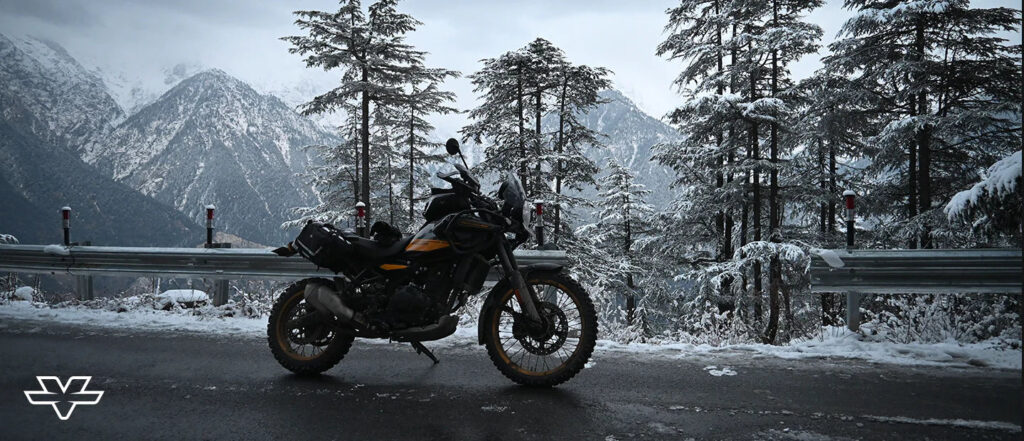
1. Leh–Manali Highway (Ultimate Himalayan Adventure)
The Leh–Manali Highway is one of the most iconic mountain roads in India for bike lovers. It connects Himachal Pradesh to Ladakh and passes through high-altitude deserts, glaciers, rivers, and snow-covered peaks. The road is challenging due to rough terrain, steep climbs, and unpredictable weather, but it rewards riders with some of the most beautiful Himalayan landscapes in the world. This route is considered a dream ride for every adventure biker.
2. Khardung La Pass (Highest Motorable Thrill)
Khardung La Pass is one of the highest motorable roads in the world, located in Ladakh. It offers an extreme biking experience with freezing temperatures, thin air, and rugged mountain views. Riding here is physically demanding, but reaching the top is a proud achievement for every biker. It is a must-visit destination for those who love extreme adventure riding.
3. Zojila Pass (Dangerous Yet Exciting Ride)
Zojila Pass is a narrow and risky mountain road that connects Kashmir Valley with Ladakh. It is known for its sharp curves, muddy tracks, snow-covered paths, and landslide-prone areas. This road demands strong riding skills and concentration. Despite its danger, it offers unmatched natural beauty and thrilling experiences, making it popular among experienced bikers.
4. Spiti Valley Roads (Cold Desert Adventure Ride)
Spiti Valley offers some of the most rugged and scenic mountain roads in India for bike lovers. The journey includes rocky terrain, river crossings, and isolated villages. The landscape is a cold desert with dramatic mountain views. Riders love Spiti for its peaceful environment, raw nature, and off-road adventure experience that feels like exploring another world.
5. Rohtang Pass (Snow Paradise Ride)
Rohtang Pass is a famous mountain road near Manali that connects to Lahaul and Spiti Valley. It is known for its snow-covered scenery, curvy roads, and beautiful mountain views. The ride is both adventurous and scenic, making it suitable for tourists and bikers. It is one of the most popular mountain roads in India for bike lovers who enjoy snow rides.
6. NH 22 (Hindustan–Tibet Highway)
NH 22, also known as the Hindustan–Tibet Road, is one of the oldest and most thrilling mountain highways in India. It runs along steep cliffs, deep valleys, and rocky terrain. The road offers constant adventure with sharp turns and dramatic landscapes. It is perfect for bikers who enjoy long and challenging road journeys.
7. Nilgiri Mountain Roads (South India Scenic Ride)
The Nilgiri Hills in South India offer beautiful mountain roads surrounded by green forests, tea plantations, and cool weather. The famous hairpin bends near Ooty make the ride exciting and memorable. Unlike the harsh Himalayan routes, this road offers a smooth and relaxing biking experience with stunning natural beauty.
Top Bike Riding Seasons in India (Detailed Description)
Bike riding in India becomes truly enjoyable when you choose the right season. Weather plays a very important role in mountain roads, highways, and long-distance biking trips. Each season offers a different experience—some are perfect for adventure, while others are risky and difficult.
Below are the top bike riding seasons in India with detailed descriptions:
1. Summer Season (March to June) – Best for Mountain Adventures
Summer is considered one of the best bike riding seasons in India, especially for mountain routes like Himachal Pradesh, Ladakh (starting routes), Uttarakhand, and Sikkim.
Why Summer is Best:
- Clear roads after winter snowfall
- Pleasant weather in mountains
- Open high-altitude passes (Rohtang, Khardung La in peak summer)
- Perfect visibility for scenic rides
Best Riding Routes in Summer:
- Leh–Ladakh routes
- Manali–Spiti Valley
- Shimla–Kinnaur road
- Sikkim Himalayan roads
Advantages:
- Comfortable riding conditions
- Less risk of snow blockage
- Ideal for long road trips
Disadvantages:
- Tourist rush in popular destinations
- Slightly high accommodation costs
👉 Summer is perfect for adventure bike trips in India for bike lovers.
2. Monsoon Season (July to September) – Risky but Green and Beautiful
Monsoon season is not ideal for mountain biking, but it offers the most beautiful green landscapes in India.
Why Monsoon is Challenging:
- Heavy rainfall causes slippery roads
- Landslides in hilly areas
- Low visibility during rides
- Road blockages in Himalayan regions
Best Places in Monsoon:
- Western Ghats (Munnar, Coorg, Lonavala)
- Nilgiri Hills (Ooty)
- Kerala mountain roads
Advantages:
- Fresh green scenery everywhere
- Waterfalls along roads
- Less crowd in tourist areas
Disadvantages:
- Dangerous road conditions
- High risk of accidents
- Bike damage due to mud and water
👉 Monsoon is best only for experienced riders who love nature riding.
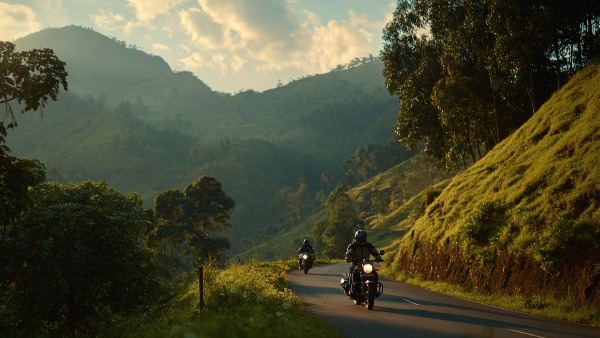
3. Autumn Season (October to November) – Golden Riding Season
Autumn is considered the best overall bike riding season in India.
Why Autumn is Perfect:
- Clear skies and stable weather
- No heavy rain or snow
- Comfortable temperature across India
- Roads are in good condition
Best Riding Destinations:
- Ladakh (early closing season)
- Spiti Valley
- Rajasthan desert highways
- South India ghats
Advantages:
- Best balance of safety and beauty
- Ideal for long bike trips
- Perfect photography conditions
Disadvantages:
- Short season duration
- Some high passes may start closing in late October
👉 Autumn is the golden season for bike lovers in India.
4. Winter Season (December to February) – Extreme Adventure Season
Winter is the most challenging season for bike riding in India, especially in northern mountain regions.
Why Winter is Difficult:
- Heavy snowfall blocks mountain roads
- Freezing temperatures in Himalayas
- Black ice on roads increases accident risk
- Many routes remain closed
Best Riding Areas in Winter:
- Goa coastal roads
- Rajasthan desert highways
- Kerala and Tamil Nadu hills
- Low-altitude Himachal areas (Shimla, Dharamshala)
Advantages:
- Less traffic on roads
- Peaceful travel experience
- Beautiful snow-covered views (limited areas)
Disadvantages:
- Extreme cold conditions
- Road closures in mountains
- High risk for long rides
👉 Winter is best for coastal and desert bike trips, not high mountains.
5. Spring Season (March – Early April) – Fresh Start Riding Season
Spring is a refreshing season for bikers as nature starts to bloom after winter.
Why Spring is Special:
- Pleasant and cool weather
- Snow starts melting in mountains
- Fresh greenery begins to appear
- Roads gradually reopen in Himalayan regions
Best Riding Destinations:
- Uttarakhand hill stations
- Himachal Pradesh valleys
- Western Ghats
- Northeast India routes
Advantages:
- Comfortable temperatures
- Scenic blooming landscapes
- Ideal for short and medium bike trips
Disadvantages:
- Some high passes may still be closed
- Weather can be slightly unpredictable
👉 Spring is perfect for relaxed and scenic bike rides in India.
Safety Tips for Bike Riders (Detailed Guide)
Bike riding, especially on long highways and mountain roads in India, is exciting but also risky if proper safety measures are not followed. Good riding habits, proper gear, and preparation can prevent accidents and make your journey safe and enjoyable. Below are detailed safety tips for bike riders that every biker should follow.
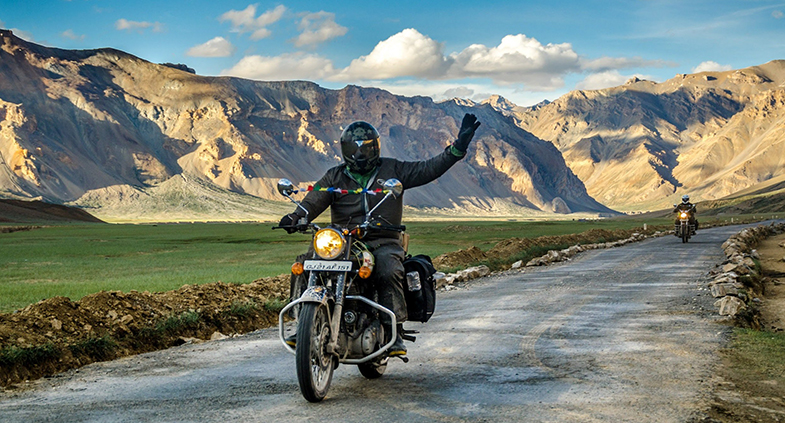
1. Always Wear Proper Riding Gear
Safety gear is the most important part of biking safety.
Essential Gear,,
- ISI-certified helmet
- Riding jacket with armor protection
- Riding gloves
- Knee and elbow guards
- Riding boots
Why it matters:
Protective gear reduces injury risk during accidents and protects against cold weather, dust, and road debris.
2. Check Your Bike Before Every Ride
A well-maintained bike is safer and more reliable.
Pre-ride checklist:
- Brake condition
- Tyre pressure and grip
- Engine oil level
- Headlights and indicators
- Chain lubrication
- Fuel level
Why it matters:
Mechanical failure in mountains or highways can be very dangerous and hard to fix.
3. Follow Speed Limits and Ride Slowly in Mountains
Speed control is extremely important for biker safety.
Safety rules:
- Never overspeed on curves
- Slow down on blind turns
- Avoid sudden braking on slopes
- Maintain steady speed in hilly areas
Why it matters:
Mountain roads have sharp bends, cliffs, and unpredictable obstacles.
4. Avoid Riding at Night in Remote Areas
Night riding in mountains or highways is risky.
Problems at night:
- Poor visibility
- No roadside help
- Wildlife movement
- Hidden potholes or landslides
Advice:
Try to complete your journey before sunset.
5. Carry an Emergency Kit Always
An emergency kit can save your life in remote areas.
Must-have items:
- First aid box
- Torchlight
- Basic tool kit
- Spare tube or puncture kit
- Mobile charger/power bank
- Extra fuel bottle
6. Stay Hydrated and Take Breaks
Long rides can cause fatigue and dehydration.
Tips:
- Drink water regularly
- Take rest every 2–3 hours
- Avoid continuous riding for long durations
- Eat light and healthy food
Why it matters:
Fatigue reduces concentration and increases accident risk.
7. Ride in Groups for Long Trips
Group riding is safer than solo riding in remote areas.
Benefits:
- Help during breakdowns
- Better navigation support
- Emergency assistance
- More safety in isolated areas
8. Be Careful on Wet and Slippery Roads
Rain and snow make roads dangerous.
Safety tips:
- Avoid sudden braking
- Maintain extra distance from vehicles
- Use low gear on slippery roads
- Ride slowly on wet curves
9. Use Proper Navigation and Route Planning
Planning your route is very important before any long ride.
Tips:
- Check road conditions before starting
- Download offline maps
- Know fuel stations on route
- Avoid unknown shortcuts in mountains
10. Maintain Safe Distance from Other Vehicles
Keeping distance prevents sudden collisions.
Rule:
- Always maintain a safe gap
- Increase distance in fog or rain
- Avoid overtaking on sharp turns
11. Be Aware of Weather Conditions
Weather in mountain areas changes quickly.
Precautions:
- Check weather forecast before ride
- Avoid riding during heavy snowfall or rain
- Stop riding if visibility becomes poor
12. Avoid Overloading Your Bike
Too much luggage affects bike balance.
Safety tips:
- Carry only essential items
- Distribute weight evenly
- Secure luggage tightly
13. Follow Traffic Rules Strictly
Traffic rules are for your safety.
Important rules:
- Wear helmet always
- Do not use mobile while riding
- Follow signals and road signs
- Do not drink and ride
14. Be Extra Careful on Mountain Curves
Mountain curves are the most dangerous part of biking.
Tips:
- Honk before blind turns
- Stay on your lane
- Slow down before curves
- Avoid overtaking in turns
15. Stay Calm and Focused While Riding
Mental focus is very important for bikers.
Advice:
- Avoid riding when tired or angry
- Stay alert at all times
- Do not get distracted
- Enjoy the ride but stay responsible
FAQs Section: Mountain Roads in India for Bike Lovers
1. What are the best mountain roads in India for bike lovers?
India has many famous mountain roads such as Leh–Manali Highway, Khardung La, Zojila Pass, Spiti Valley roads, Rohtang Pass, and Nilgiri Ghats. These routes are popular because they offer adventure, scenic beauty, and challenging riding conditions for bikers.
2. Which is the most dangerous mountain road in India?
Some of the most dangerous mountain roads include Killar–Kishtwar Road, Zojila Pass, and parts of Spiti Valley routes. These roads have narrow paths, steep cliffs, landslide zones, and unpredictable weather, making them suitable only for experienced riders.
3. What is the best season for biking in Indian mountains?
The best seasons are:
- Summer (March–June): Ideal for Ladakh, Himachal, and Sikkim
- Autumn (October–November): Best overall weather and road conditions
Avoid monsoon in mountain regions due to landslides and winter due to heavy snow.
4. Which bike is best for mountain road riding in India?
Adventure and touring bikes are best for mountain roads, such as:
- Royal Enfield Himalayan
- Royal Enfield Classic 350/411
- KTM Adventure series
- Bajaj Dominar
These bikes offer strong suspension, good balance, and power for uphill rides.
5. Is Ladakh bike trip safe for beginners?
A Ladakh bike trip is not recommended for complete beginners. It requires riding experience, high-altitude tolerance, and good physical fitness. Beginners should first practice on hill stations like Manali or Shimla before attempting Ladakh.
6. How should I prepare my bike for mountain rides?
Before mountain trips, always check:
- Engine oil and coolant
- Brake condition
- Tyre pressure and grip
- Chain lubrication
- Headlights and indicators
Also carry spare tubes, tools, and emergency kits for safety.
7. How much does a bike trip to Ladakh cost?
On average, a Ladakh bike trip can cost:
- ₹20,000 to ₹50,000 for budget riders
- ₹50,000 to ₹1,00,000 for comfortable or guided tours
Cost depends on bike type, fuel, stay, food, and duration.
8. What are the main challenges while riding in mountain roads?
Main challenges include:
- Landslides and road blockages
- Oxygen shortage at high altitude
- Sharp curves and narrow roads
- Extreme weather conditions
- Limited fuel stations
9. Can I ride solo in mountain areas?
Yes, you can ride solo, but it is safer to travel in groups. Solo riding requires strong navigation skills, emergency preparation, and good physical and mental strength, especially in remote areas.
10. What safety gear is necessary for mountain biking?
Essential safety gear includes:
- Helmet (ISI-certified)
- Riding jacket with protection
- Gloves
- Knee and elbow guards
- Riding boots
This gear protects you from injuries and harsh weather conditions.
11. How can I avoid altitude sickness during mountain rides?
To avoid altitude sickness:
- Take rest while climbing high altitudes
- Drink plenty of water
- Avoid alcohol and smoking
- Acclimatize properly before high passes
- Eat light food
12. Are mountain roads in India suitable for beginners?
Some easy mountain roads like Munnar, Ooty, and Shimla are suitable for beginners. However, extreme routes like Ladakh, Spiti, and Zojila Pass should be attempted only after gaining experience.
13. What is the biggest risk while riding in mountains?
The biggest risks are sudden weather changes, landslides, and loss of control on sharp curves. Lack of medical help in remote areas also increases danger.
14. Why do bikers prefer mountain roads?
Bikers prefer mountain roads because they offer:
- Adventure and thrill
- Scenic natural beauty
- Challenging terrain
- Peaceful riding experience
- Unique travel memories
15. How can I make my bike trip safer?
To make your trip safer:
- Plan your route in advance
- Check weather conditions
- Carry emergency supplies
- Ride at controlled speed
- Avoid night riding in remote areas
Bike Friendly Tips for Riders (Detailed Guide)
Riding on mountain roads and long highways is exciting, but it also requires smart planning and responsible habits. Bike-friendly tips help riders stay safe, improve bike performance, and enjoy a smooth journey without unnecessary risks. Below are detailed bike-friendly tips for all bikers in India and beyond.
1. Choose the Right Bike for Your Journey
The first step to a safe ride is selecting the right motorcycle.
Best choices:
- Adventure bikes (Royal Enfield Himalayan, KTM Adventure)
- Touring bikes (Bajaj Dominar, Royal Enfield Classic)
Why it matters:
A suitable bike handles rough roads, steep climbs, and long distances better, reducing the risk of breakdowns.
2. Do Complete Bike Servicing Before Trip
Never start a long ride without full servicing.
Check these parts:
- Engine oil
- Brake pads
- Chain and sprocket
- Tyres (tread and pressure)
- Battery condition
Why it matters:
A well-maintained bike ensures safety and prevents sudden mechanical failures in remote areas.
3. Pack Light and Smart
Overloading a bike affects balance and control.
Smart packing tips:
- Carry only essentials
- Use saddle bags or tank bags
- Keep weight evenly balanced
- Avoid unnecessary items
Why it matters:
Light luggage improves stability, especially on curves and mountain roads.
4. Always Wear Full Safety Gear
Safety gear is non-negotiable for bike riders.
Must-have gear:
- Helmet (ISI-certified)
- Riding jacket with armor
- Gloves
- Knee guards
- Riding boots
Why it matters:
Protects you from injuries, cold weather, and road dust.
5. Plan Your Route in Advance
Good planning reduces confusion and risk.
Tips:
- Study map and road conditions
- Identify fuel stations
- Mark rest stops
- Avoid unknown shortcuts
Why it matters:
Mountain roads often have no network or signage, so planning is essential.
6. Ride According to Weather Conditions
Weather changes quickly in mountain areas.
Tips:
- Avoid riding in heavy rain or snowfall
- Check forecast before starting
- Stop if visibility is low
- Be cautious in foggy areas
Why it matters:
Bad weather increases accident risks on curves and slippery roads.
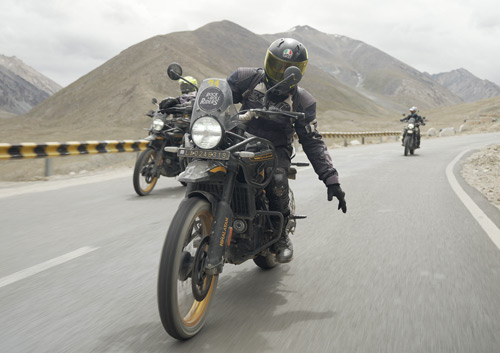
7. Maintain Safe Riding Speed
Speed control is very important for bike safety.
Rules:
- Slow down on curves
- Avoid sudden braking
- Do not overspeed downhill
- Maintain steady speed in hills
Why it matters:
Mountain roads have sharp turns and cliffs, so control is key.
8. Take Regular Breaks During Long Rides
Continuous riding causes fatigue.
Tips:
- Rest every 2–3 hours
- Stretch your body
- Drink water regularly
- Avoid mental exhaustion
Why it matters:
Tired riders make mistakes, increasing accident chances.
9. Keep Emergency Supplies Ready
Always be prepared for unexpected situations.
Essential items:
- First aid kit
- Spare tube or puncture kit
- Basic tool kit
- Power bank
- Extra fuel bottle
Why it matters:
Help may not be available in remote mountain areas.
10. Ride in Groups When Possible
Group riding is safer than solo travel.
Benefits:
- Help in emergencies
- Better navigation support
- Shared resources
- Increased safety in remote regions
Mountains Roads in India for Bike Lovers Mountains Roads in India for Bike Lovers Mountains Roads in India for Bike Lovers Mountains Roads in India for Bike Lovers Mountains Roads in India for Bike Lovers Mountains Roads in India for Bike Lovers Mountains Roads in India for Bike Lovers Mountains Roads in India for Bike Lovers Mountains Roads in India for Bike Lovers
Mountains Roads in India for Bike Lovers Mountains Roads in India for Bike Lovers Mountains Roads in India for Bike Lovers Mountains Roads in India for Bike Lovers Mountains Roads in India for Bike Lovers Mountains Roads in India for Bike Lovers Mountains Roads in India for Bike Lovers Mountains Roads in India for Bike Lovers Mountains Roads in India for Bike Lovers Mountains Roads in India for Bike Lovers Mountains Roads in India for Bike Lovers Mountains Roads in India for Bike Lovers Mountains Roads in India for Bike lovers
Mountains Roads in India for Bike Lovers
Mountains Roads in India for Bike Lovers
Mountains Roads in India for Bike Lovers
Mountains Roads in India for Bike Lovers
Mountains Roads in India for Bike Lovers
Mountains Roads in India for Bike Lovers
Mountains Roads in India for Bike Lovers
Mountains Roads in India for Bike Lovers
Mountains Roads in India for Bike Lovers
Mountains Roads in India for Bike Lovers