
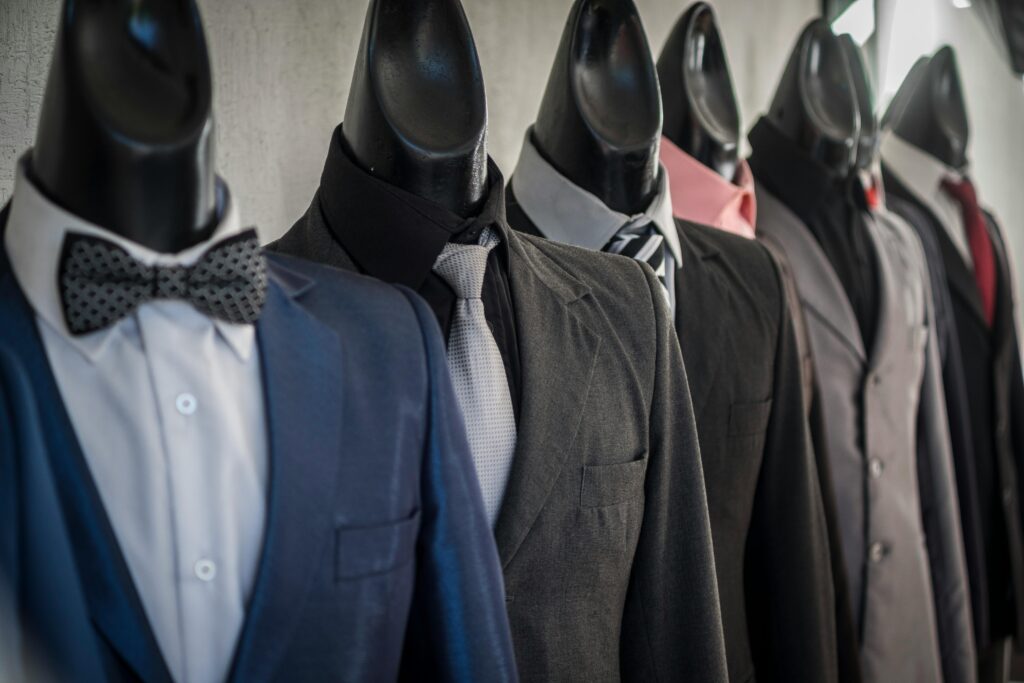
The Timeless World of Formal Clothes
Classic Style has always been more than fabric stitched together — it is a language of respect, identity, and elegance. Across centuries and cultures, people have used formal attire to mark milestones, honor traditions, and project professionalism. In today’s world, where casual wear dominates daily life, formal clothes remain a powerful symbol of dignity and sophistication.
👔 The Philosophy of Classic Style
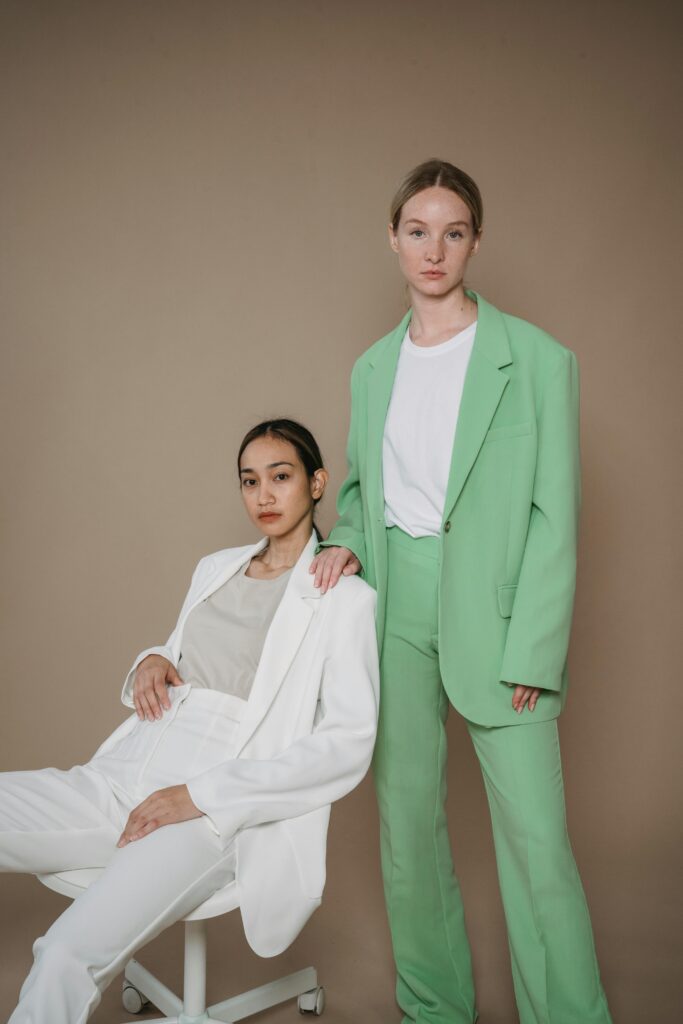
Classic Style are not simply garments; they are statements. A suit, gown, or saree communicates values before words are spoken.
- Respect for occasion: Dressing formally acknowledges the importance of the event and the people present.
- Professional image: In workplaces, formal attire signals competence, seriousness, and readiness.
- Confidence boost: Studies show that wearing formal clothes can enhance abstract thinking, decision-making, and self-assurance.
Formal wear is, in essence, a social contract: you dress well because the occasion deserves it.
👗 Anatomy of Classic Style
Tailoring
The foundation of formal wear lies in tailoring. A suit or dress that fits perfectly elevates even modest fabrics. Tailoring ensures balance in proportions, sharp lines, and comfort.
Fabrics
- Wool: Ideal for suits, offering durability and elegance.
- Silk: Luxurious, often used in gowns and sarees.
- Linen: Breathable, perfect for summer formals.
- Satin: Smooth and glossy, often chosen for evening wear.
Colors
Traditional palettes include black, navy, and grey. Yet modern fashion embraces jewel tones, pastels, and even bold prints for Classic Style occasions.
Accessories
- Cufflinks and ties for men.
- Jewelry, clutches, and heels for women.
- Watches, belts, and handbags act as subtle yet defining touches.
Shoes
Polished leather shoes or elegant heels complete the ensemble. Footwear is often the detail that distinguishes casual from formal.
🌍 Classic Style Across Cultures
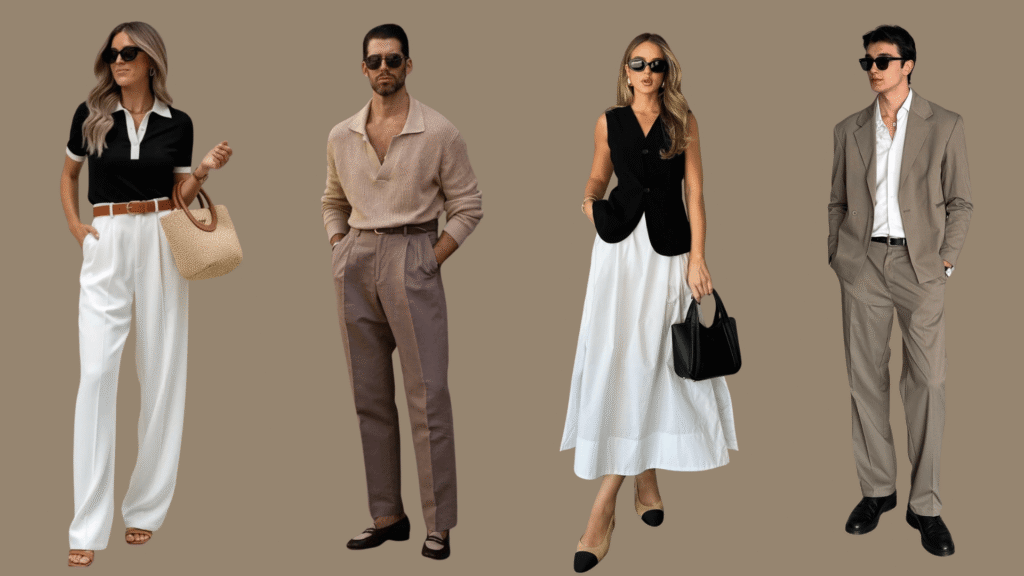
Classic Style varies widely across the globe, reflecting cultural heritage.
- Western: Suits, tuxedos, gowns, and cocktail dresses dominate.
- Indian: Sarees, sherwanis, bandhgalas, and lehengas blend tradition with elegance.
- East Asian: Cheongsam in China and kimono in Japan highlight artistry and heritage.
- Middle Eastern: Abayas, thobes, and kaftans reflect modesty and grandeur.
- African: Dashikis, agbadas, and kente-inspired suits bring vibrancy and cultural pride.
Each culture’s formal wear is a tapestry of history, symbolism, and artistry.
✨ Modern Trends in Classic Style
Classic Style is evolving with contemporary values.
- Sustainable fashion: Eco-friendly fabrics and ethical tailoring are reshaping luxury.
- Gender-fluid styles: Unisex suits and versatile silhouettes challenge traditional norms.
- Minimalism: Clean lines and neutral tones dominate modern wardrobes.
- Fusion fashion: Traditional attire blended with modern cuts creates bold statements.
- Tech-integrated clothing: Smart fabrics and wearable tech are slowly entering formal fashion.
🎭 Occasions That Demand Formal Clothing
Classic Style is not universal; it adapts to context.
- Corporate meetings: Business suits and ties project authority.
- Weddings: Gowns, sarees, tuxedos, and sherwanis mark celebration and tradition.
- Galas: Evening gowns and tuxedos embody glamour.
- Graduations: Academic robes and suits symbolize achievement.
- Funerals: Dark, understated attire conveys respect and solemnity.
🧼 Caring for Classic Style
Classic Style is an investment, and proper care ensures longevity.
- Storage: Use garment bags and cedar hangers to preserve shape and fabric.
- Cleaning: Dry-clean delicate fabrics, but opt for eco-friendly services when possible.
- Maintenance: Regular pressing and minor alterations keep outfits fresh.
- Longevity: Investing in quality pieces ensures they last for decades.
📜 Historical Evolution of Formal Wear
Classic Style has evolved dramatically:
- Victorian era: Corsets, gowns, and frock coats defined elegance.
- 1920s: Flapper dresses and tuxedos reflected liberation.
- Post-war era: Suits became symbols of stability and professionalism.
- Modern era: Diversity, inclusivity, and sustainability shape today’s choices.
🧩 The Psychology of Dressing Up
Classic Style influence not just perception but also cognition.
- Authority: People in suits are often perceived as more competent.
- Confidence: Dressing formally boosts self-esteem.
- Mindset shift: Formal attire encourages focus and professionalism.
🛍️ Shopping for Formal Clothes
When buying formal wear, consider:
- Fit: Tailoring is non-negotiable.
- Fabric: Choose breathable yet elegant materials.
- Versatility: Invest in pieces that work across occasions.
- Budget: Quality over quantity ensures longevity.
Closing Reflection
Classic Style are timeless. They bridge tradition and modernity, individuality and conformity, respect and confidence. Whether it’s a classic suit, a flowing gown, or a fusion ensemble, formal wear ensures that you step into any occasion with dignity and presence.
👔 Key Elements of Classic Wear
- Tailored blazers: Structured, versatile, and perfect for both formal and casual settings.
- Crisp white shirts: A wardrobe staple that pairs with everything.
- Neutral trousers: Black, navy, or beige pants that balance style and comfort.
- Leather shoes: Oxfords, loafers, or brogues that complete the polished look.
- Little black dress: For women, the ultimate symbol of timeless chic.
Why Classic Wear Endures
Versatility: Works across occasions — office, evening, or casual outings.
Quality fabrics: Wool, cotton, silk, and leather ensure durability.
Minimalism: Clean lines and neutral colors keep the look timeless.
Classic wear isn’t about following trends — it’s about creating a wardrobe that always feels relevant. It’s elegance that adapts to every era.
👗 Essential Classic style Wear for Women
- Little black dress: The ultimate symbol of sophistication, perfect for any occasion.
- Pearl accessories: Earrings or necklaces that add subtle grace.
- Trench coat: A versatile outerwear piece that elevates any outfit.
- Ballet flats: Comfortable yet chic footwear.
👔 Essential Classic Wear for Men
- Navy blazer: A timeless jacket that pairs with trousers or jeans.
- Oxford shirts: Clean, structured shirts that work for both formal and casual looks.
- Wool trousers: Durable and elegant, ideal for office or evening wear.
- Leather loafers: A polished shoe that balances comfort and style.
🌟 The Philosophy Behind Classic Wear
- Timeless appeal: These pieces never feel outdated.
- Investment dressing: Buying fewer but higher-quality items that last.
- Elegance in simplicity: Clean lines and neutral colors create effortless sophistication.
When it comes to Classic Style the color palette is just as important as the cut and fabric. Timeless colors create a refined look that never feels outdated.
🎨 Core Classic Colors
- Black: Sleek, versatile, and always elegant. Perfect for suits, dresses, and shoes.
- White: Crisp and clean, ideal for shirts, blouses, and summer dresses.
- Navy: A sophisticated alternative to black, especially for blazers and trousers.
- Gray: Neutral and balanced, works well in suits and coats.
- Beige: Soft and understated, perfect for trench coats and knitwear.
🌿 Accent Colors for Personality
- Burgundy: Adds richness without being too bold.
- Forest green: Earthy and elegant, great for sweaters or accessories.
- Camel: Warm and luxurious, especially in coats and scarves.
- Pastels: Subtle shades like powder blue or blush pink bring softness to the look.
🖌️ How to Combine
- Pair navy and white for a nautical-inspired classic.
- Mix gray and burgundy for a refined autumn palette.
- Layer beige and camel for a warm, timeless ensemble.
Classic wear is defined not only by its colors and cuts but also by the fabrics that give it longevity and elegance. Choosing the right fabric ensures comfort, durability, and timeless appeal.
🌿 Key Fabrics in Classic Wear
- Cotton: Breathable and versatile, perfect for shirts, blouses, and summer dresses. Its crisp finish makes it a staple in classic wardrobes.
- Wool: Known for warmth and structure, wool is ideal for suits, trousers, and coats. Variants like merino or cashmere add softness and luxury.
- Silk: Smooth and lustrous, silk elevates blouses, ties, and evening wear with a touch of refinement.
- Linen: Lightweight and breathable, linen is perfect for summer suits and shirts, offering relaxed elegance.
- Leather: Durable and stylish, leather is used in shoes, belts, and jackets, adding sophistication to any outfit.
✨ Why Fabrics Matter
Classic style thrives on quality fabrics that resist fast fashion trends. Wool suits maintain their shape for years, cotton shirts stay crisp, and silk accessories add understated glamour. Linen brings effortless charm in warmer months, while leather accessories ground the look with durability.
🧵 Fabric Philosophy
The essence of classic style lies in investment dressing — fewer pieces, but made from fabrics that last. Each material contributes to the timeless aesthetic: cotton for everyday polish, wool for structure, silk for elegance, linen for seasonal freshness, and leather for enduring strength.
Classic wear is experiencing a strong revival in 2026, blending timeless silhouettes with modern fabrics and cuts. Designers are reintroducing heritage pieces like sarees, bandhgalas, and lehengas with contemporary twists, making them relevant for today’s fashion-conscious audience.
🔥 Current Trends in Classic Wear
👗 Women’s Fashion
- Vintage-inspired sarees: Silk, organza, and brocade sarees with motifs like paisleys and florals are back, often paired with retro-style blouses (high necks, puffed sleeves).
- Anarkalis and Shararas: Mughal-inspired flowy outfits are being modernized with lighter fabrics and minimalistic cuts.
- Lehengas with heritage embroidery: Techniques like chikankari, phulkari, and kantha are trending, paired with asymmetrical hems or contemporary blouses.
👔 Men’s Fashion
- Bandhgalas: Structured silhouettes with Nehru collars and embroidered buttons are making a comeback.
- Sherwanis: Rich fabrics like velvet and jacquard are being used, often with modern cuts for weddings and formal occasions.
- Classic suits: Neutral tones in wool and cotton blends remain staples, with slimmer fits appealing to younger audiences.
🌟 Why Classic Wear is Trending
- Fashion is cyclical: Retro styles from the 1950s–70s are being reinterpreted for modern wardrobes.
- Cultural heritage: Indian fashion draws heavily from centuries-old traditions, making classic wear deeply rooted in identity.
- Sustainability: Investing in timeless pieces aligns with the global push toward slow fashion and quality over quantity.
- Celebrity influence: Bollywood and streaming shows like Heeramandi have reignited interest in Mughal-inspired garments.
📊 Classic vs Modern Fusion
| Classic style | Modern Fusion |
|---|---|
| Timeless fabrics (silk, wool, cotton) | Blends with synthetics for comfort |
| Structured silhouettes (sarees, bandhgalas) | Relaxed fits and asymmetry |
| Neutral palettes with rich embroidery | Bold colors and minimal embellishments |
| Heritage techniques (zardozi, chikankari) | Digital prints and contemporary motifs |
⚠️ Risks & Trade-offs
- Cost: Authentic fabrics like silk and velvet are expensive.
- Maintenance: Classic fabrics require careful care (dry cleaning, storage).
- Occasion-specific: Heavy embroidery may not suit everyday wear.
Formal wear in 2026 is shifting toward “quiet luxury” with breathable fabrics, tailored fits, and muted palettes. Waistcoat sets, premium leather accessories, and fusion styles dominate both men’s and women’s wardrobes, reflecting a balance of professionalism, comfort, and modern elegance.
👔 Key Formal Wear Trends in 2026
Women’s Formal Wear
- Waistcoat sets: The breakout piece of the year, combining structure with fashion-forward appeal. Belted backs add definition and prevent boxy silhouettes.
- Quiet luxury palette: Muted tones like sage, dusty rose, mauve, olive, and off-white replace the dominance of all-black.
- Breathable fabrics: Cotton-linen blends, crepe, and sustainable fabrics ensure comfort during long commutes and warm climates.
- Fusion styles: Indo-western tunic shirts, tailored bottoms, and structured co-ords bridge tradition with modernity.
- Tailored trousers: High-waist, straight-fit, and cigarette pants elevate office looks with flattering silhouettes.
Men’s Formal Wear
- Fit-first tailoring: Ill-fitting blazers are out; precise cuts that align with body structure are essential.
- Premium leather briefcases: Structured laptop bags signal professionalism and long-term investment.
- Icy neutrals and earth tones: Charcoal grey, deep olive, and tan accessories modernize classic suits.
- Polished footwear: Oxfords and Derbies remain staples, now with hidden memory foam insoles for comfort.
- Minimalist accessories: Silver tie-pins, cufflinks, and matching belts/shoes complete the look.
📊 Comparison: Classic vs Modern Formal Wear
| Classic style | Modern Formal Wear 2026 |
|---|---|
| Black/navy suits | Muted luxury tones (sage, mauve, olive) |
| Heavy fabrics (wool, silk) | Breathable blends (cotton-linen, crepe) |
| Structured silhouettes | Feminine tailoring, waistcoat sets |
| Minimal accessories | Statement briefcases, coordinated leather |
| Formal rigidity | Fusion styles for hybrid work culture |
🌟 Why These Trends Matter
- Hybrid work culture: Outfits must transition seamlessly from office to meetings to evening plans.
- Climate-conscious fabrics: Breathable, crease-free materials suit India’s warm weather and long commutes.
- Sustainability: Professionals are investing in fewer, higher-quality pieces that last longer.
- Cultural fusion: Indo-western blends allow professionals to express identity while maintaining formality.
Formal wear continues to evolve in 2026, blending timeless sophistication with modern practicality. The trend is shaped by hybrid work cultures, sustainability, and a renewed appreciation for understated elegance. Let’s explore the latest updates in detail.
👗 Women’s Classic style Trends
- Waistcoat sets: These structured ensembles are the highlight of women’s formal wardrobes. Belted backs and tailored fits prevent bulkiness, while muted tones like sage and mauve add refinement.
- Power trousers: High-waist, straight-fit, and cigarette pants dominate, offering comfort without compromising authority.
- Fusion co-ords: Indo-western blends — tunic shirts with tailored bottoms — allow professionals to express cultural identity while staying office-appropriate.
- Breathable fabrics: Cotton-linen blends and crepe are preferred for long commutes and warmer climates.
- Minimalist jewelry: Subtle pearl studs or silver chains complement the quiet luxury aesthetic.
👔 Men’s Classic style Trends
- Fit-first tailoring: Slimmer cuts and precise tailoring replace boxy blazers, ensuring sharp silhouettes.
- Premium leather accessories: Structured laptop bags, belts, and shoes in tan or deep olive signal professionalism.
- Icy neutrals: Charcoal grey, sage, and dusty beige expand beyond the traditional black/navy palette.
- Comfort footwear: Oxfords and Derbies now feature hidden memory foam insoles for all-day wear.
- Minimalist detailing: Tie-pins, cufflinks, and pocket squares are subtle, coordinated, and understated.
🌟 Why These Trends Matter
- Hybrid work culture: Outfits Classic style must transition seamlessly from office meetings to evening networking events.
- Sustainability: Professionals invest in fewer, higher-quality pieces that last longer, aligning with slow fashion.
- Climate-conscious fabrics: Breathable, crease-free materials suit India’s warm weather and global urban lifestyles.
- Cultural fusion: Indo-western blends allow individuality while maintaining professionalism.
📊 Classic vs Modern Formal Wear
| Classic style | Modern Formal 2026 |
|---|---|
| Black/navy suits | Muted luxury tones (sage, mauve, olive) |
| Heavy fabrics (wool, silk) | Breathable blends (cotton-linen, crepe) |
| Structured silhouettes | Feminine tailoring, waistcoat sets |
| Minimal accessories | Coordinated leather & statement briefcases |
| Formal rigidity | Fusion styles for hybrid work culture |
⚠️ Risks & Trade-offs
- Cost: Premium fabrics and leather accessories are expensive but durable.
- Maintenance: Crepe and silk require careful handling; cotton-linen needs ironing.
- Occasion mismatch: Overly ethnic co-ords may appear festive rather than professional.
Formal wear in 2026 is deeply influenced by seasonal dressing and fabric innovation, ensuring professionals remain stylish, comfortable, and confident throughout the year. Let’s explore seasonal outfit guides alongside fabric ideas within a 600-word framework.
🌸 Spring Formal Wear
- Lightweight suits: Cotton-linen blends in pastel shades like powder blue, blush pink, and sage green.
- Breathable blouses: Silk or crepe tops paired with tailored trousers.
- Accessories: Minimal jewelry and nude-toned shoes keep the look fresh.
Fabric focus: Linen and cotton dominate spring for their airy feel, while silk adds elegance for evening events.
☀️ Summer Formal Wear
- Short-sleeve shirts: Crisp cotton or moisture-wicking blends in whites and neutrals.
- Light trousers: Beige or khaki cotton trousers with breathable lining.
- Dresses: Sleeveless sheath dresses in crepe or cotton blends.
Fabric focus: Cotton-linen blends, seersucker, and lightweight crepe ensure comfort in hot climates.
🍂 Autumn Formal Wear
- Muted tones: Olive, burgundy, and camel dominate suits and dresses.
- Layered outfits: Waistcoat sets, tailored blazers, and wool trousers.
- Footwear: Leather loafers or ankle boots in deep brown.
Fabric focus: Wool blends and tweed add warmth, while silk scarves or ties bring sophistication.
❄️ Winter Formal Wear
- Structured suits: Wool and cashmere suits in charcoal, navy, or black.
- Overcoats: Camel or grey wool coats layered over suits.
- Formal dresses: Velvet or heavy silk gowns for evening events.
Fabric focus: Wool, cashmere, and velvet dominate winter wardrobes, offering insulation and luxury.
🧵 Fabric Philosophy in Formal Wear
- Cotton: Everyday polish, breathable, and versatile.
- Wool: Structure and warmth, ideal for suits and trousers.
- Silk: Smooth elegance for blouses, ties, and evening wear.
- Linen: Lightweight sophistication for spring and summer.
- Velvet: Luxurious texture for winter dresses and jackets.
- Leather: Durable sophistication in shoes, belts, and bags.
🌟 The Seasonal Strategy
Classic style wear thrives when fabrics align with climate and occasion. Spring and summer prioritize breathable blends, autumn embraces muted tones with wool layering, and winter celebrates structured luxury with velvet and cashmere. This approach ensures professionals remain polished year-round while embracing comfort and sustainability.