
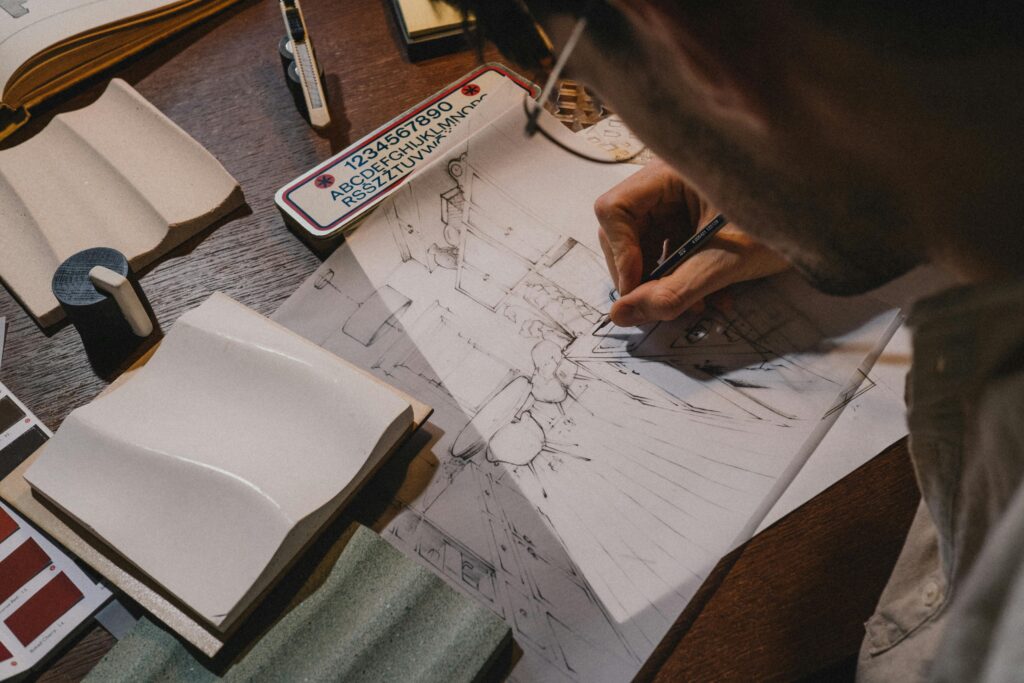
Reverse-Engineering Luxury Interiors: How Elite Interior Design Transforms Any Home into a High-End Architectural Space
1.The Secret Formula Behind Million-Dollar Interiors design You Can Recreate at Home
Reverse-Engineering Luxury Interiors: How Top Designers Build 5-Star Hotel Living Rooms (And How You Can Copy the Look on a Real Budget)
2. The Hook Introduction: Stepping Into a Space That Changes Your Psychology.
There is a moment when you enter a truly luxurious interior space—whether it is a 5-star hotel lobby, a celebrity penthouse living room, or a feature in Architectural Digest—and your brain reacts before your logic does.
You don’t immediately notice furniture. You don’t analyze materials. Instead, you feel something more subtle: control, calm, and quiet power.
This is the essence of elite Interior Design—not decoration, but psychological engineering.
In a high-end living room, everything feels intentional. The sofa doesn’t sit in the room—it defines it. The lighting doesn’t brighten—it sculpts emotion. Even the empty spaces feel designed, as if silence itself has a budget.
What most people misunderstand is this: luxury interiors are not built by expensive items alone. They are built through composition intelligence—the invisible system of scale, proportion, lighting, texture layering, and negative space control.
A $10,000 sofa placed incorrectly looks cheap. A $1,000 sofa placed correctly looks expensive.
That is the truth behind modern Interior Design.
Luxury is not accumulation—it is editing. It is knowing what NOT to include. It is restraint disguised as elegance.
The goal of this guide is to reverse-engineer that illusion of luxury. We will break down how world-class designers construct emotional impact using spatial psychology, lighting science, material layering, and styling discipline—and then translate it into practical, budget-friendly execution.
Because in today’s design world, luxury is no longer about wealth.
It is about understanding space like a strategist.
3. The Invisible Grid: Spatial Intelligence, Flow & Proportion
Every luxury interior is built on something you cannot see: an invisible structural grid.
Elite Interior Design does not begin with furniture—it begins with spatial planning.
3.1 The Emotional Map of Space
Designers divide rooms into emotional zones:
- Entry Zone: first impression (visual impact)
- Social Zone: conversation + seating
- Anchor Zone: focal point (art, TV wall, fireplace)
- Transition Zone: walking pathways
Luxury emerges when these zones flow without friction.
3.2 The Rule of Proportion (The Real Secret of Luxury)
The most important principle in Interior Design is scale harmony:
- Large rooms require large furniture
- Small rooms require fewer, but intentional pieces
- Ceiling height dictates visual weight
A common mistake in budget interiors is using small furniture in large spaces, which creates a “floating cheapness.”
Luxury solves this by overscaling intentionally:
- Oversized rugs
- Deep sofas
- Tall curtains touching ceiling line
3.3 The 60-30-10 System (Color Balance Psychology)
This rule defines visual stability:
- 60% dominant neutral base (walls, floors, large furniture)
- 30% secondary supporting tones (sofa, curtains)
- 10% accent contrast (art, cushions, decor)
This prevents visual chaos and ensures subconscious comfort.
3.4 Movement Flow: The Invisible Path System
Luxury interiors guide movement like architecture:
- Minimum 90–120 cm clearance between furniture
- No blocked sightlines
- Natural walking curves, not rigid angles
A good space “pulls” you through it without effort.
3.5 Sightline Engineering
Designers carefully plan what you see from every angle:
- Entry view → focal artwork
- Sofa view → window framing
- Kitchen view → clean surfaces only
This creates cinematic experience inside a home.
3.6 Budget Translation Strategy
To replicate:
- Remove excess furniture
- Increase spacing
- Use fewer but larger pieces
- Align everything to invisible grid logic
Luxury is not fullness—it is controlled emptiness.
4. Material Deconstruction: Texture Psychology & Affordable Luxury Dupes
Luxury is not just visual—it is tactile.
In elite Interior Design, materials communicate emotional temperature.
4.1 Core Luxury Materials
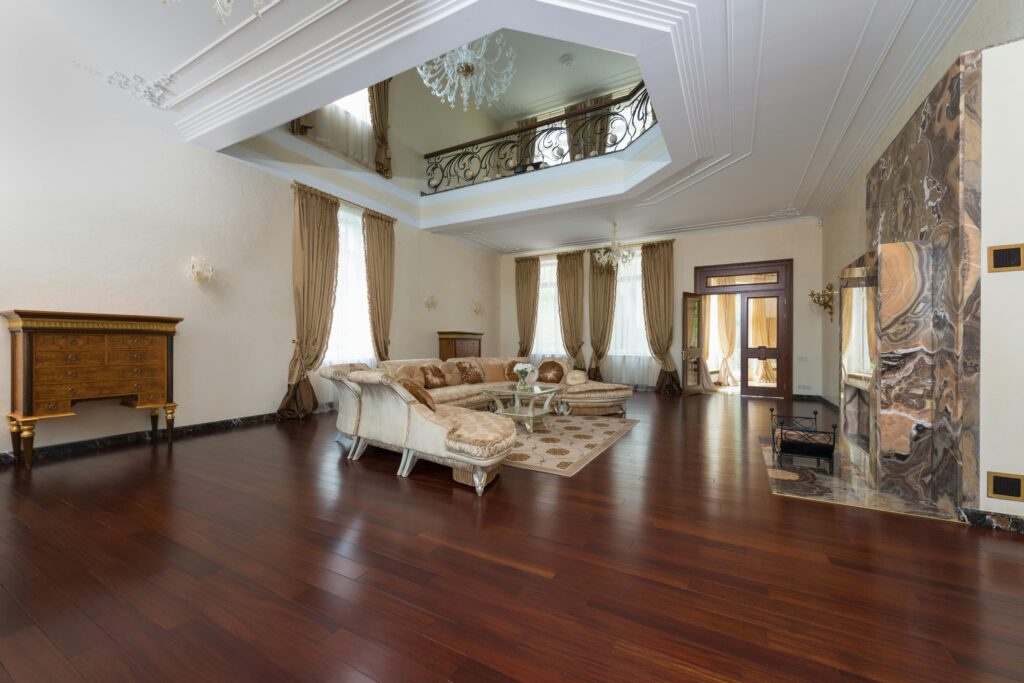
High-end interiors use:
- White oak / walnut wood → warmth + organic depth
- Marble (Calacatta, Carrara) → prestige + permanence
- Bouclé fabric → softness + visual richness
- Brushed brass / matte black metal → contrast refinement
- Natural stone textures → grounding effect
Each material adds emotional weight.
4.2 The Secret: Contrast Layering
Luxury is created through contrast:
- Hard vs soft
- Matte vs glossy
- Warm vs cool
- Rough vs smooth
Without contrast, interiors feel flat.
4.3 Affordable Material Substitution System
You can recreate luxury through strategic duplication:
Wood Alternatives
- Engineered wood flooring (oak finish)
- Laminates with matte grain texture
- High-quality vinyl planks
→ Visual 90% similar, cost 70% lower
Marble Alternatives
- Quartz countertops (Calacatta-style)
- Porcelain slab tiles
- Printed stone laminate surfaces
→ Durable, stain-resistant, visually convincing
Fabric Alternatives
- Performance polyester bouclé
- Linen-blend upholstery
- Microfiber velvet
→ Maintains softness + premium touch
Metal Alternatives
- Powder-coated steel (matte finish)
- Brass-tone spray coatings
- Aluminum with brushed texture film
→ High-end look without luxury cost
4.4 Layering Strategy
A luxury room always has 3 texture layers:
- Structural (floor, walls)
- Functional (sofa, tables)
- Decorative (cushions, art)
This creates depth perception.
5. The Psychology of Illumination: Lighting as Emotional Architecture
Lighting is the most powerful tool in Interior Design because it defines mood before form.
5.1 The Three-Layer Lighting System
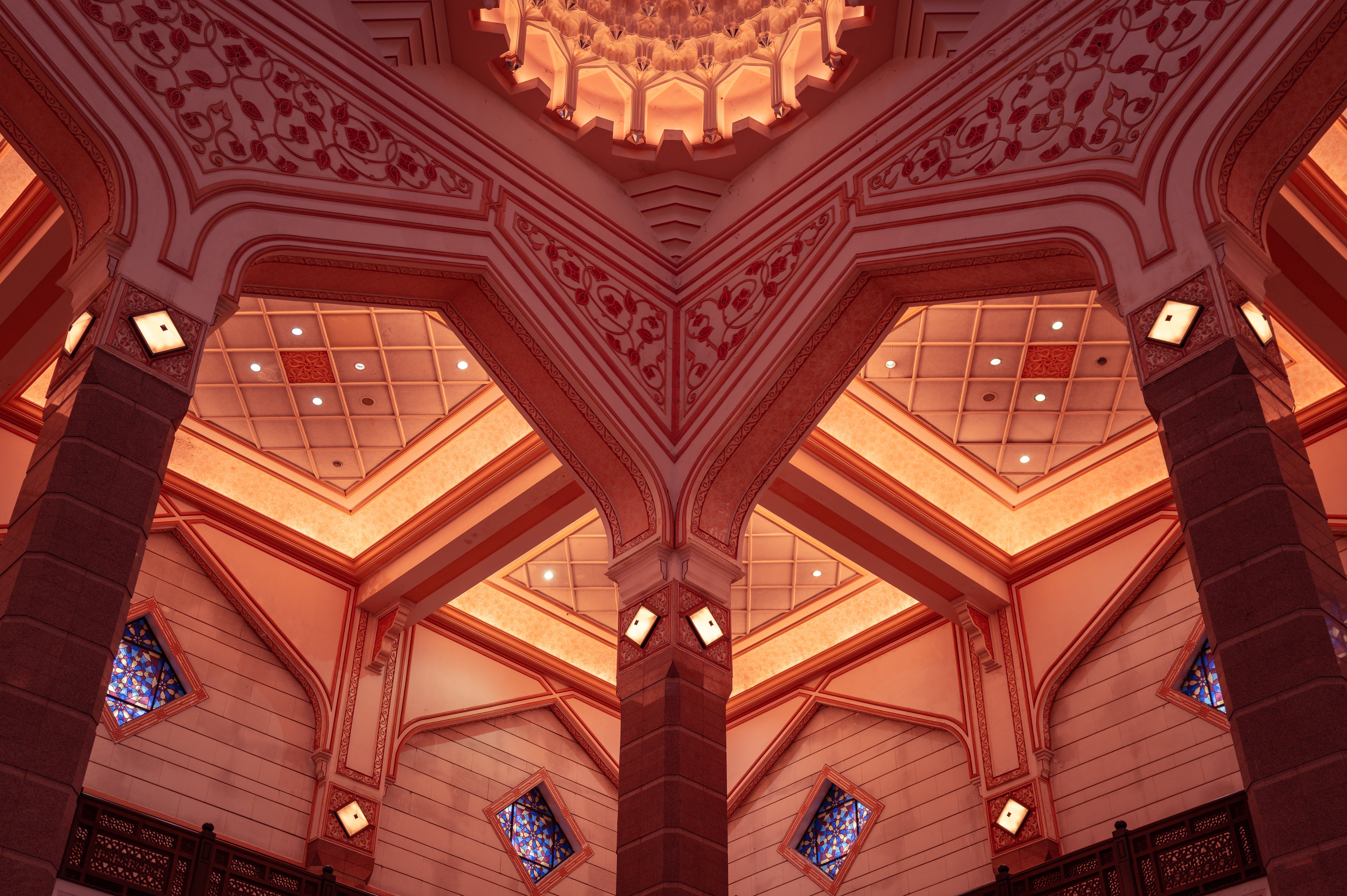
Luxury interiors never rely on one light source.
1. Ambient Lighting
- Ceiling lights or recessed LEDs
- 2700K–3000K warm tone
- Establishes base comfort
2. Task Lighting
- Reading lamps, desk lamps
- Focused functional light
3. Accent Lighting
- Wall washers
- LED strips
- Spotlights on art
Creates drama and depth.
5.2 Color Temperature Psychology
- 2200K–2700K → hotel luxury warmth
- 3000K → modern soft balance
- 4000K+ → office-like (avoid in luxury homes)
Warm light = emotional comfort.
5.3 Lighting Placement Strategy
Luxury designers place light to shape perception:
- Behind sofas → floating effect
- Under cabinets → visual elevation
- Wall grazing → texture enhancement
- Corner lamps → soft depth shadows
Light is sculpting space, not just illuminating it.
5.4 Shadow Design (The Hidden Secret)
Luxury spaces intentionally use shadows:
- Soft shadows = depth
- Layered shadows = complexity
- Controlled darkness = intimacy
5.5 Budget Lighting Replication
- Use LED strips behind furniture
- Floor lamps instead of ceiling rewiring
- Warm bulbs instead of expensive fixtures
- Plug-in sconces
Lighting matters more than furniture cost.
6. Curated Styling: Art, Objects & Controlled Minimalism
Luxury spaces avoid clutter through intentional editing.
6.1 The Rule of “Curated Few”
Instead of many objects:
- 3–5 statement pieces per surface
- Large objects > small clutter
- Negative space is essential
6.2 Styling Formula
Every surface should include:
- One anchor object (vase, sculpture)
- One supporting element (book, tray)
- One soft contrast (plant, fabric)
6.3 Art Strategy
Luxury interiors use:
- Oversized artwork
- Neutral abstract themes
- Single focal wall instead of multiple frames
6.4 Storage Psychology
Clutter kills luxury perception.
Solutions:
- Hidden drawers
- Built-in cabinetry
- Closed storage over open shelving
7. Budget Blueprint: Luxury vs Reality (≈350 words)
| Element | Luxury Cost | Budget Version | Strategy |
|---|---|---|---|
| Sofa | $8,000–$15,000 | $800–$1,500 | Focus on shape + fabric |
| Flooring | $10,000+ marble | $1,000 laminate | Texture imitation |
| Lighting | $5,000 custom | $300 LED + lamps | Layer instead of luxury fixture |
| Art | $3,000 gallery | $100 prints | Scale matters more than price |
| Decor | $2,000 styling | $200 curated pieces | Less but intentional |
Core Insight
Luxury is not bought—it is constructed through visual intelligence.
Advantages of Reverse-Engineered Luxury Interior Design
Reverse-engineered luxury in Interior Design is the process of studying high-end spaces (like 5-star hotels, celebrity homes, or architectural magazine features) and recreating their visual impact using smart planning instead of high budgets. This approach has many powerful advantages:
1. Cost Efficiency Without Losing Luxury Feel
One of the biggest advantages is that you can achieve a luxury look without spending massive amounts of money. Instead of buying expensive imported materials, you use smart alternatives like laminates, engineered wood, or quartz that look similar but cost much less. This makes high-end Interior Design accessible to everyone.
2. Better Understanding of Space Planning
This method teaches you how professionals think about space. You learn:
- How furniture placement affects movement
- Why spacing is more important than furniture cost
- How empty space creates luxury feel
This improves your overall design intelligence.
3. Improved Aesthetic Sense
By studying luxury interiors, you naturally develop a stronger sense of:
- Color balance
- Texture combinations
- Lighting harmony
- Visual symmetry
Over time, your taste in Interior Design becomes more refined and professional.
4. Maximum Impact with Minimal Items
Instead of overcrowding a room, you learn to use fewer but more impactful elements. This creates:
- Clean and elegant spaces
- Strong focal points
- Visually calming environments
Less clutter automatically makes interiors feel more premium.
5. Flexibility in Budget Choices
Reverse-engineering allows you to choose where to spend and where to save:
- Invest in sofa or lighting
- Save on decor or side furniture
This smart budgeting is a major advantage in modern Interior Design.
6. Easy Replication of Global Trends
You can copy international luxury styles like:
- Minimalist Scandinavian interiors
- Modern hotel-style living rooms
- Contemporary luxury apartments
Without hiring expensive designers.
7. Psychological Comfort and Better Living Experience
Well-planned interiors improve mental well-being:
- Less visual stress
- More peaceful environment
- Better relaxation at home
Luxury design principles are proven to positively affect mood.
8. Long-Term Durability and Practicality
Budget-friendly luxury materials are often:
- Easier to maintain
- More durable for daily use
- Less expensive to repair or replace
So your interior stays beautiful for longer.
9. Creativity and Personal Expression
Instead of copying blindly, you learn to adapt luxury ideas into your own style. This encourages creativity and helps you build a unique home identity.
10. Professional-Level Knowledge for Future Projects
Even if you are not a designer, learning reverse-engineered Interior Design gives you:
- Strong design awareness
- Ability to plan future renovations
- Confidence in making design decisions
Service Guidelines & Customer Review System in Interior Design (Luxury Reverse-Engineered Projects)
In modern Interior Design, especially in reverse-engineered luxury projects, service quality and customer experience are just as important as aesthetics. A well-designed space is not only judged by how it looks—but also by how smoothly the entire service process is handled from consultation to completion.
Below is a detailed breakdown of service guidelines and customer review systems used in high-end interior design workflows.
1. Service Guidelines in Interior Design Projects
Service guidelines define how an interior design project should be executed professionally, ensuring quality, transparency, and client satisfaction.
1.1 Initial Client Consultation Guidelines
At the beginning of any Interior Design project:
- Understand client lifestyle needs (family size, usage patterns)
- Identify design preference (modern, luxury, minimal, classic)
- Set clear budget expectations
- Study space dimensions and lighting conditions
- Collect inspiration references
Key Rule:
No design should start without understanding how the client actually lives in the space.
1.2 Design Planning Guidelines
Before execution:
- Create detailed floor plans with measurements
- Define traffic flow and movement paths
- Decide furniture placement zones
- Select color palette using 60-30-10 rule
- Finalize material mood boards
Important Interior Design Standard:
Every design must balance:
- Functionality
- Aesthetics
- Comfort
1.3 Material Selection Guidelines
In reverse-engineered luxury Interior Design, material selection is critical.
- Always compare luxury vs budget alternatives
- Prioritize durability over appearance alone
- Test samples before final approval
- Ensure materials match lighting conditions
- Avoid mixing too many textures
Golden Rule:
If it looks luxury but doesn’t last, it is not good design.
1.4 Execution & Installation Guidelines
During project execution:
- Maintain strict timeline schedule
- Ensure daily site supervision
- Follow accurate measurement standards
- Install lighting as per design plan
- Avoid on-site random changes without approval
Quality Control Checks:
- Alignment of furniture
- Paint finish consistency
- Lighting balance
- Flooring leveling
1.5 Lighting Installation Guidelines
Lighting is a core part of Interior Design execution:
- Use layered lighting system (ambient, task, accent)
- Maintain warm color temperature (2700K–3000K)
- Avoid harsh white light in living areas
- Ensure hidden wiring for clean finish
1.6 Styling & Final Setup Guidelines
Final styling defines luxury impact:
- Keep décor minimal but impactful
- Use odd-number object groupings
- Maintain 30–40% empty visual space
- Ensure symmetry in key focal areas
- Add plants or natural elements for softness
1.7 Handover Guidelines
Before project completion:
- Final cleaning of space
- Client walkthrough session
- Explanation of maintenance care
- Documentation of materials used
- Fix minor finishing issues immediately
2. Customer Review System in Interior Design home
Customer reviews play a major role in measuring success in Interior Design projects.
2.1 Types of Customer Reviews
1. Design Satisfaction Review
Clients evaluate:
- Overall look and feel
- Color harmony
- Furniture placement
- Luxury appearance
Example feedback:
“The space feels exactly like a 5-star hotel interior.”
2. Service Experience Review
Clients evaluate:
- Communication quality
- Timely updates
- Professional behavior
- Transparency in cost
3. Functionality Review
Clients evaluate:
- Ease of movement
- Storage efficiency
- Lighting comfort
- Daily usability
4. Material Quality Review
Clients evaluate:
- Durability of furniture
- Surface finishing
- Texture feel
- Maintenance ease
5. Emotional Impact Review
The most important in luxury Interior Design:
- Does the space feel calming?
- Does it feel premium?
- Does it improve lifestyle comfort?
2.2 Review Collection Methods
Professional interior firms collect feedback using:
- Post-project survey forms
- WhatsApp feedback messages
- Google reviews
- Video testimonials
- Before-after comparison feedback
2.3 Rating Parameters
Clients typically rate:
- Design Quality ⭐⭐⭐⭐⭐
- Execution Quality ⭐⭐⭐⭐⭐
- Material Quality ⭐⭐⭐⭐⭐
- Timeliness ⭐⭐⭐⭐⭐
- Communication ⭐⭐⭐⭐⭐
2.4 Common Positive Reviews
In successful Interior Design projects, clients often say:
- “Space looks bigger and more luxurious than expected.”
- “Lighting completely changed the mood of the house.”
- “Everything feels well planned and premium.”
- “Budget was handled smartly without compromising look.”
2.5 Common Improvement Feedback
Even good projects may receive suggestions like:
- Slight delay in installation timeline
- Minor changes in color tone preference
- Additional storage requirements
- Lighting adjustments in certain areas
2.6 Handling Negative Feedback (Professional Standard)
A strong Interior Design service handles complaints by:
- Immediate site inspection
- Quick correction of defects
- Transparent communication
- Offering design adjustments if needed
- Maintaining client trust as priority
2.7 Importance of Reviews in Interior Design Growth
Customer reviews help in:
- Building brand reputation
- Attracting new clients
- Improving design quality
- Understanding client psychology
- Refining future projects
Benefits of Interior Design for Small Spaces & Compact Homes
In modern Interior Design, small spaces are no longer seen as a limitation—they are seen as an opportunity to create smart, efficient, and highly stylish environments. With the right planning, even a compact room can feel spacious, luxurious, and highly functional.
1. Maximum Space Utilization
One of the biggest benefits of professional Interior Design in small spaces is efficient use of every inch.
- Corners are converted into storage or seating
- Vertical walls are used for shelves and cabinets
This ensures nothing is wasted, and the space works harder for you.
2. Creates a Spacious Visual Illusion
Smart design techniques make small rooms look larger than they are:
- Light color palettes reflect more light
- Mirrors expand visual depth
- Open layouts reduce clutter feeling
This psychological trick is a core principle of modern Interior Design.
3. Better Organization & Less Clutter
Small spaces force better organization, and design enhances it:
- Built-in storage reduces visible mess
- Hidden compartments keep essentials out of sight
- Minimal furniture prevents overcrowding
Result: a clean, calm, and stress-free environment.
4. Cost-Effective Interior Solutions
Designing small spaces usually costs less:
- Less furniture required
- Smaller quantity of materials
- Lower lighting and decor expenses
This makes Interior Design more budget-friendly without compromising style.
5. Multi-Functional Furniture Advantage
In compact homes, furniture serves more than one purpose:
- Sofa beds for sleeping + seating
- Storage ottomans
- Foldable dining tables
- Wall-mounted desks
This flexibility is essential in smart Interior Design.
6. Easier Maintenance and Cleaning
Smaller spaces are easier to maintain:
- Faster cleaning routines
- Less dust accumulation
- Simple rearrangement when needed
This improves daily living comfort.
7. Improved Lighting Efficiency
Lighting plays a huge role in small space design:
- Strategic lighting makes rooms feel open
- Natural light is maximized through layout
- Warm LED lighting improves mood
Good lighting transforms compact interiors completely.
8. Personalized and Cozy Atmosphere
Small spaces often feel more intimate and personalized:
- Easier to decorate with personal style
- Cozy environment enhances comfort
- Strong emotional connection with space
This is a key emotional benefit in Interior Design.
9. Encourages Minimalist Lifestyle
Living in a small space promotes:
- Less unnecessary buying
- More intentional design choices
- Cleaner and simpler lifestyle
Minimalism is a growing trend in modern interiors.
10. Higher Design Creativity
Small spaces challenge designers to think creatively:
- Innovative storage ideas
- Smart furniture placement
- Unique visual tricks for expansion
This leads to highly customized and intelligent Interior Design solutions.`1