
Gucci: Luxury, Style, Heritage, and Global Fashion Influence
Introduction
Gucci is one of the most admired luxury fashion brands in the world. Known for premium quality, elegant craftsmanship, stylish collections, and iconic fashion designs, Gucci has created a strong identity in the international fashion industry. The brand is recognized for luxury handbags, fashionable clothing, shoes, accessories, perfumes, jewelry, and lifestyle products that reflect sophistication and creativity.
For decades, Gucci has remained an important name in fashion because of its ability to combine traditional Italian craftsmanship with modern trends. Fashion lovers from different countries appreciate Gucci for its timeless appeal, innovative style, and luxurious image. The company has built a strong reputation through unique designs, attention to detail, and high-quality materials.
Gucci products are worn by celebrities, fashion influencers, artists, business professionals, and luxury consumers worldwide. The brand is connected with confidence, elegance, and self-expression. Today, Gucci continues to shape modern fashion through creative collections, digital innovation, and artistic storytelling.
The Beginning of Gucci
Gucci was founded in 1921 by Guccio Gucci in Florence, Italy. Before starting the company, Guccio Gucci worked in luxury hotels where he observed wealthy travelers and their premium luggage. Inspired by elegance and fine craftsmanship, he decided to establish his own business focused on luxury leather products.
At first, Gucci specialized in leather bags, luggage, and horse-riding accessories. The company became popular because customers appreciated the quality, durability, and sophisticated appearance of the products. Gucci designs reflected Italian artistry and traditional craftsmanship.
As demand increased, the company expanded its product range to include handbags, wallets, shoes, belts, scarves, and other accessories. Gucci slowly transformed from a small leather workshop into a globally recognized luxury fashion house.
The company’s early success was based on quality materials and attention to craftsmanship. Customers trusted Gucci because the products combined functionality with elegance. Over time, the Gucci name became associated with prestige and refined fashion.
Gucci and Italian Fashion Heritage
Italy is famous for luxury fashion and exceptional craftsmanship, and Gucci represents this heritage proudly. Gucci products are designed with precision, creativity, and artistic vision. The company continues to use premium materials and skilled artisans to maintain high standards.
Italian craftsmanship is one of the strongest elements behind Gucci’s global reputation. Many Gucci products are handcrafted using techniques that reflect years of expertise and dedication. This commitment to quality helps Gucci remain one of the leading luxury brands in the world.
The company values both tradition and innovation. While Gucci respects its historical roots, it also introduces modern ideas and fresh fashion concepts. This balance allows the brand to remain relevant across generations.
Luxury consumers appreciate Gucci because the products often combine timeless style with contemporary trends. The elegance of Italian fashion continues to influence Gucci collections today.
Gucci Handbags and Leather Accessories
Gucci handbags are among the most famous luxury fashion products globally. The company creates many styles, including shoulder bags, tote bags, crossbody bags, mini bags, backpacks, and travel bags. Gucci handbags are admired for their premium leather, iconic branding, and fashionable designs.
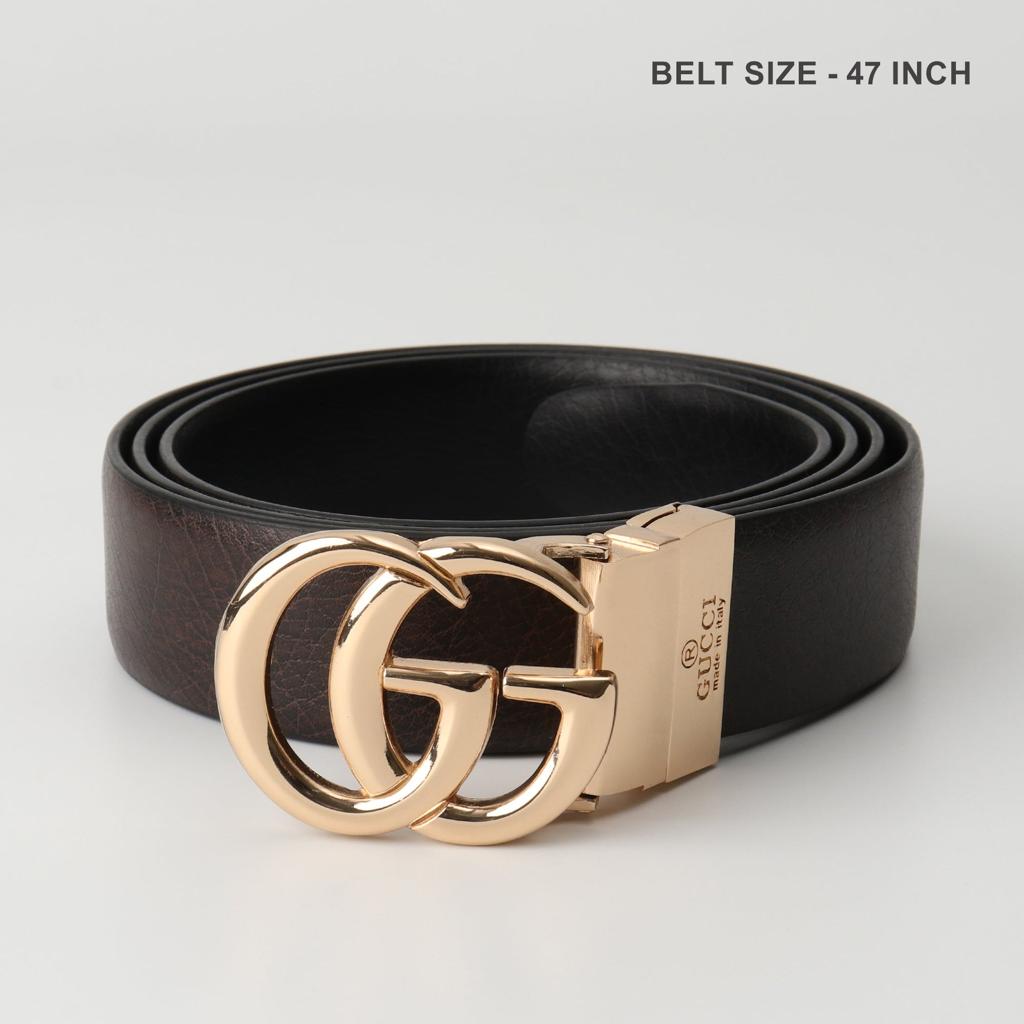
Many Gucci handbags feature signature details such as the double-G logo, bamboo handles, horsebit hardware, and green-red-green stripes. These symbols help customers instantly recognize Gucci products.
Leather craftsmanship remains an important part of Gucci’s identity because the company originally began as a leather goods business. Wallets, belts, card holders, and luxury accessories continue to attract fashion-conscious consumers.
Gucci bags are often considered long-term fashion investments because of their durability and timeless appearance. Some collections become highly collectible and remain popular for many years.
The brand continuously introduces new designs while also reinventing classic styles. This strategy keeps Gucci handbags fresh, modern, and desirable in the luxury market.
Gucci Clothing Collections
Gucci clothing collections are known for creativity, bold fashion choices, and artistic inspiration. The company produces luxury fashion for both men and women, including dresses, jackets, shirts, trousers, coats, hoodies, skirts, and evening wear.
Gucci fashion often combines vintage influences with modern trends. The collections may include floral patterns, embroidery, vibrant colors, oversized silhouettes, and unique textures. This creative approach makes Gucci stand out in the fashion industry.
Fashion shows organized by Gucci attract worldwide attention. Designers present innovative collections that influence global trends and inspire fashion enthusiasts. Gucci runway events are often discussed in magazines, social media, and fashion platforms.
The company also creates casual wear and streetwear-inspired collections that appeal to younger consumers. Sneakers, graphic prints, and relaxed luxury styles have become important parts of Gucci’s modern identity.
Gucci clothing reflects confidence, individuality, and artistic expression. Many consumers admire the brand because it encourages personal style and creativity.
Shoes and Footwear
Luxury footwear is another important category for Gucci. The company creates premium shoes for different occasions and lifestyles. Gucci footwear collections include sneakers, loafers, boots, sandals, heels, and formal shoes.
Gucci loafers are especially famous because of their elegant design and classic horsebit detail. These shoes have remained fashionable for decades and continue to represent timeless luxury.
Evolution of Luxury Style
Fashion has always reflected culture, personality, and artistic imagination. Over time, luxury houses transformed from small workshops into internationally admired symbols of sophistication. Among these influential names, Gucci became known for combining traditional craftsmanship with modern creativity. Elegant collections, premium materials, and imaginative designs helped establish a lasting reputation within the global fashion industry.
Luxury fashion often represents aspiration and individuality. People connect premium clothing and accessories with confidence, refinement, and self-expression. Through decades of innovation, Gucci contributed significantly to shaping contemporary fashion culture while preserving timeless elegance.
Artistic Direction and Creative Identity
Creative vision plays an essential role in luxury fashion. Designers continuously explore new themes, inspirations, and aesthetics to create memorable collections. Gucci gained attention because of its fearless experimentation and distinctive artistic direction.
Many collections blended vintage inspiration with modern details. Rich textures, decorative embroidery, oversized silhouettes, and dramatic patterns became recognizable features within runway presentations. Artistic storytelling transformed fashion shows into immersive experiences rather than simple clothing displays.
Fashion enthusiasts admired the ability to balance tradition with originality. Instead of following temporary trends, collections frequently introduced unexpected combinations that influenced global style conversations.
Influence of Italian Craftsmanship
Italian craftsmanship remains highly respected within the fashion world. Skilled artisans dedicate years to mastering techniques involving leatherwork, tailoring, embroidery, and textile production. Gucci benefited greatly from these traditions, using expertise to create refined luxury products.
Attention to detail became a defining characteristic. Hand-stitched finishes, polished hardware, premium fabrics, and carefully selected materials elevated every design. Quality construction ensured long-lasting appeal while reinforcing exclusivity.
Luxury consumers often appreciate products not only for appearance but also for durability and craftsmanship. Italian manufacturing traditions continue supporting the prestige associated with premium fashion houses.
Fashion Trends and Cultural Impact
Luxury brands frequently influence mainstream trends. Gucci contributed to evolving aesthetics through innovative runway collections and visually striking campaigns. Colorful designs, vintage inspiration, maximalist styling, and experimental silhouettes inspired both designers and consumers around the world.
Music, cinema, and entertainment industries also played an important role in expanding cultural influence. Artists, performers, and actors incorporated luxury fashion into personal branding, increasing visibility across international audiences.
Street style culture further amplified popularity. Younger generations mixed luxury pieces with casual fashion, creating modern interpretations of elegance and individuality.
Luxury Accessories and Everyday Fashion
Accessories remain central to the luxury industry because they allow customers to express personal style in subtle yet impactful ways. Gucci expanded beyond clothing into handbags, footwear, belts, scarves, eyewear, jewelry, and fragrances.
Premium handbags became especially admired due to elegant craftsmanship and iconic aesthetics. Shoes combined comfort with distinctive design, appealing to fashion-conscious consumers seeking both functionality and sophistication.
Fragrances and lifestyle collections introduced luxury experiences beyond apparel. Scent, packaging, and presentation contributed to emotional connections between products and consumers.
Role of Fashion Campaigns
Visual storytelling plays a major role in luxury marketing. Fashion campaigns combine photography, cinematic direction, styling, and artistic themes to create memorable brand identities. Gucci became known for imaginative campaigns featuring dramatic visuals and cultural references.
Digital media transformed how audiences engage with fashion. Social platforms allowed collections to reach millions of viewers instantly. Consumers could follow runway presentations, celebrity collaborations, and new launches in real time.
Creative campaigns strengthened emotional engagement while maintaining exclusivity associated with luxury fashion.
Celebrity and Entertainment Connections
Luxury fashion and entertainment industries share a strong relationship. Celebrities frequently wear designer outfits during public appearances, premieres, concerts, and award ceremonies. Gucci gained additional recognition through partnerships with musicians, actors, and cultural icons.
These appearances often shape global fashion trends. Fans admire celebrity style choices and seek inspiration for personal wardrobes. Red carpet events especially contribute to luxury visibility because of international media coverage.
Collaborations between fashion brands and creative artists also introduced fresh ideas and expanded cultural relevance.
Innovation and Modern Fashion
Fashion constantly changes through technological advancement and shifting consumer expectations. Luxury houses must innovate while preserving heritage and authenticity. Gucci adapted by exploring digital experiences, sustainability initiatives, and experimental creative concepts.
Virtual fashion shows, online campaigns, and interactive shopping experiences became increasingly important in modern retail. Consumers now engage with luxury through both physical boutiques and digital platforms.
Innovation also extends to materials and production methods. Sustainable fabrics, environmentally conscious packaging, and responsible sourcing practices reflect growing awareness within the fashion industry.
Retail Experience and Store Design
Luxury retail focuses heavily on atmosphere and presentation. Boutique interiors often combine architecture, art, lighting, and carefully arranged displays to create immersive experiences. Gucci stores became known for sophisticated environments reflecting creativity and elegance.
Personalized customer service enhances exclusivity. Shoppers appreciate attention to detail, styling assistance, and curated experiences associated with premium retail.
International expansion allowed luxury fashion to reach audiences across Europe, Asia, the Middle East, and North America. Global presence strengthened recognition while supporting cultural influence.
Fashion as Self-Expression
Clothing and accessories often communicate personality, confidence, and lifestyle. Luxury fashion allows individuals to express creativity through styling choices. Gucci collections frequently encouraged bold experimentation and individuality.
Some consumers prefer timeless elegance, while others enjoy expressive and unconventional fashion. Diverse collections made it possible for different audiences to connect with luxury aesthetics in unique ways.
Fashion also reflects emotional identity. Colors, textures, silhouettes, and accessories contribute to how people present themselves socially and professionally.
Sustainability in the Luxury Industry
Environmental responsibility became increasingly important within modern fashion. Consumers now consider ethical production, sustainability, and transparency when supporting brands. Gucci introduced initiatives aimed at reducing environmental impact and improving sustainable practices.
Luxury houses continue exploring eco-friendly materials, renewable energy, and responsible sourcing methods. Sustainability not only supports environmental goals but also strengthens long-term trust among modern consumers.
Balancing innovation, profitability, and environmental responsibility remains one of the biggest challenges within the global fashion industry.
Influence on Younger Generations
Younger audiences interact with fashion differently compared to previous generations. Social media, digital trends, and influencer culture significantly affect purchasing decisions and style inspiration. Gucci successfully connected with younger consumers through creative campaigns and contemporary aesthetics.
Modern audiences appreciate authenticity, creativity, and cultural relevance. Fashion brands capable of adapting to evolving communication styles often maintain stronger relationships with emerging generations.
Online communities also contribute to trend development by sharing styling ideas, reviews, and fashion inspiration globally.
Timeless Appeal of Luxury Fashion
Luxury fashion continues attracting admiration because of its combination of artistry, heritage, and exclusivity. Gucci remains influential through consistent reinvention while preserving recognizable identity and craftsmanship.
Fashion trends may change rapidly, yet timeless elegance and creative storytelling continue holding lasting value. Premium craftsmanship, sophisticated design, and strong cultural influence ensure continued relevance within the global luxury market.
Final Thoughts
Gucci represents creativity, innovation, craftsmanship, and cultural impact within international fashion. Through artistic direction, luxury accessories, memorable campaigns, and evolving design philosophy, the brand continues shaping modern style.
Its influence extends beyond clothing into art, entertainment, lifestyle, and self-expression. By combining heritage with contemporary vision, Gucci maintains a strong position within the constantly evolving world of luxury fashion.
Luxury Fashion and Modern Elegance
The global fashion industry continues evolving through creativity, innovation, and artistic expression. Luxury fashion houses remain important because they influence trends, inspire designers, and shape cultural conversations across generations. Among the most recognizable names in premium fashion, Gucci has maintained a strong reputation through craftsmanship, imaginative collections, and timeless sophistication.
Fashion reflects more than clothing choices. It represents identity, culture, confidence, and lifestyle aspirations. Luxury brands often create emotional connections through storytelling, visual aesthetics, and exclusive experiences. Gucci became internationally admired because of its ability to blend heritage traditions with contemporary creativity.
Importance of Fashion Heritage
Many successful luxury houses possess rich historical foundations. Heritage creates authenticity and distinguishes established brands from temporary trends. Gucci developed a reputation for elegant craftsmanship and premium leather goods, attracting customers who valued quality and refined design.
Historical influence remains visible in many collections today. Vintage-inspired details, equestrian motifs, decorative patterns, and luxurious textures frequently appear in modern fashion presentations. Designers often reinterpret classic themes while introducing fresh creative ideas for contemporary audiences.
The preservation of heritage helps luxury brands maintain long-term credibility within the fashion industry. Consumers appreciate authenticity and craftsmanship associated with established traditions.
Creative Fashion Philosophy
Creativity drives fashion innovation. Designers continuously experiment with fabrics, silhouettes, textures, and artistic themes to create unique collections. Gucci became especially influential because of its bold and imaginative approach to design.
Collections often featured dramatic color combinations, layered styling, oversized tailoring, and decorative embellishments. Instead of following predictable fashion rules, runway presentations explored unexpected aesthetics and artistic narratives.
Fashion enthusiasts admired the balance between elegance and experimentation. This combination allowed the brand to remain relevant while maintaining a recognizable identity.
Runway Presentations and Fashion Shows
Fashion shows represent important moments within the luxury industry. Runway events introduce seasonal collections while generating media attention and cultural discussion. Gucci presentations became known for theatrical storytelling, creative set design, and artistic direction.
Models walked through immersive environments inspired by cinema, history, fantasy, and contemporary culture. Music, lighting, styling, and choreography combined to create memorable experiences for audiences worldwide.
Digital technology expanded the reach of runway presentations. Millions of viewers now watch fashion events online through livestreams and social platforms, increasing global accessibility and engagement.
Influence of Celebrity Culture
Entertainment and fashion industries remain closely connected. Celebrities often influence trends through public appearances, social media content, and collaborations with luxury brands. Gucci gained visibility through relationships with musicians, actors, athletes, and influencers.
Red carpet events introduced luxury fashion to global audiences. Designer outfits worn during award ceremonies frequently became headline topics within entertainment media and fashion journalism.
Celebrity endorsements also helped younger audiences connect with luxury fashion in modern and relatable ways. Music videos, films, and social campaigns further strengthened cultural relevance.
Luxury Accessories and Lifestyle Products
Luxury fashion extends beyond clothing into lifestyle experiences. Accessories play an especially important role because they combine functionality with aesthetic appeal. Gucci expanded into handbags, wallets, belts, scarves, sunglasses, jewelry, watches, fragrances, and home décor.
Handbags became highly admired due to elegant construction and timeless design. Leather craftsmanship, premium materials, and artistic detailing contributed to lasting popularity among collectors and fashion enthusiasts.
Fragrance collections introduced sensory experiences connected to luxury identity. Packaging, scent composition, and campaign visuals helped create emotional associations with elegance and sophistication.
Fashion and Individuality
Personal style allows individuals to express identity, creativity, and confidence. Luxury fashion encourages experimentation while offering refined aesthetics suitable for different lifestyles.
Some consumers prefer minimalist elegance, while others enjoy bold and expressive outfits. Gucci collections frequently embraced individuality through eclectic styling and imaginative combinations.
Fashion trends evolve constantly, yet self-expression remains one of the most important aspects of style culture. Clothing and accessories help people communicate personality without words.
Retail Experience and Boutique Design
Luxury shopping focuses heavily on atmosphere and presentation. Boutique interiors often reflect artistic identity through architecture, lighting, textures, and curated displays. Gucci stores became known for elegant environments combining modern sophistication with vintage inspiration.
Customer experience plays a major role in luxury retail success. Personalized service, exclusive collections, and carefully designed spaces enhance emotional connection between consumers and fashion brands.
International boutiques attract travelers and fashion enthusiasts seeking premium shopping experiences in major cities worldwide.
Sustainability and Ethical Fashion
Environmental awareness continues influencing the global fashion industry. Consumers increasingly value sustainability, ethical production, and responsible sourcing practices. Gucci introduced initiatives focused on reducing environmental impact and promoting long-term sustainability.
Luxury fashion houses now explore eco-friendly materials, renewable energy solutions, recycled packaging, and transparent manufacturing processes. Ethical responsibility has become an important factor affecting purchasing decisions among modern consumers.
Balancing creativity, profitability, and sustainability remains a major challenge for fashion companies worldwide.
Digital Fashion and Online Influence
Technology transformed how audiences interact with fashion. Social media platforms allow consumers to discover trends, watch runway shows, and engage with luxury campaigns instantly.
Gucci adapted successfully to digital culture through creative online storytelling, collaborations, and interactive campaigns. Influencer marketing and digital fashion communities expanded visibility among younger audiences.
Online shopping also changed consumer behavior. Customers now explore luxury collections through websites, mobile applications, and virtual experiences before visiting physical boutiques.
Artistic Collaborations and Innovation
Collaborations between fashion brands and artists often produce unique creative projects. Gucci participated in partnerships involving musicians, illustrators, filmmakers, and contemporary artists.
These collaborations introduced fresh perspectives while expanding cultural influence beyond traditional fashion audiences. Artistic experimentation strengthened the brand’s reputation for creativity and innovation.
Fashion increasingly overlaps with music, visual arts, architecture, and entertainment, creating multidisciplinary experiences for global audiences.
Global Recognition and Popularity
Luxury fashion houses operate across diverse international markets. Gucci achieved recognition in Europe, Asia, North America, and the Middle East through strategic expansion and strong branding.
Tourists frequently visit flagship boutiques while international campaigns attract audiences across cultures and languages. Global visibility strengthened the brand’s position within the competitive luxury market.
Fashion enthusiasts appreciate the combination of heritage, artistry, and modern relevance associated with premium fashion houses.
Evolution of Consumer Preferences
Consumer expectations continue changing over time. Modern audiences seek authenticity, inclusivity, sustainability, and innovation alongside traditional luxury values.
Younger generations especially value creativity and individuality. Gucci responded by embracing diverse artistic influences and contemporary communication strategies.
Digital culture accelerated fashion cycles, yet timeless craftsmanship and quality remain essential components of luxury appeal.
Fashion Journalism and Media Influence
Fashion magazines, online publications, and digital creators significantly influence public perception of luxury brands. Editorial photography, runway reviews, and celebrity coverage contribute to cultural relevance and trend development.
Gucci frequently appeared in international fashion publications because of its artistic collections and memorable campaigns. Media attention helped strengthen prestige and attract broader audiences.
Fashion journalism also documents evolving design movements, cultural influences, and creative direction within the industry.
Enduring Legacy of Luxury Fashion
Luxury fashion continues holding cultural significance because it combines creativity, artistry, craftsmanship, and aspiration. Gucci remains influential due to its ability to evolve while preserving distinctive identity and heritage values.
Collections continue inspiring designers, stylists, artists, and consumers around the world. Through imaginative storytelling and refined craftsmanship, the brand maintains lasting relevance within global fashion culture.
Conclusion
Gucci represents elegance, innovation, artistic expression, and international influence. From premium craftsmanship to bold runway creativity, the brand continues shaping conversations within modern fashion.
Its legacy extends beyond clothing into lifestyle, entertainment, and cultural identity. By combining heritage traditions with forward-thinking design, Gucci remains one of the most recognizable and admired names within luxury fashion worldwide.